





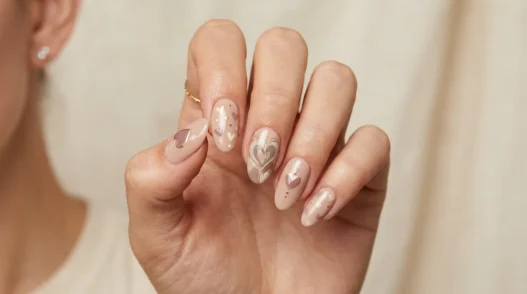
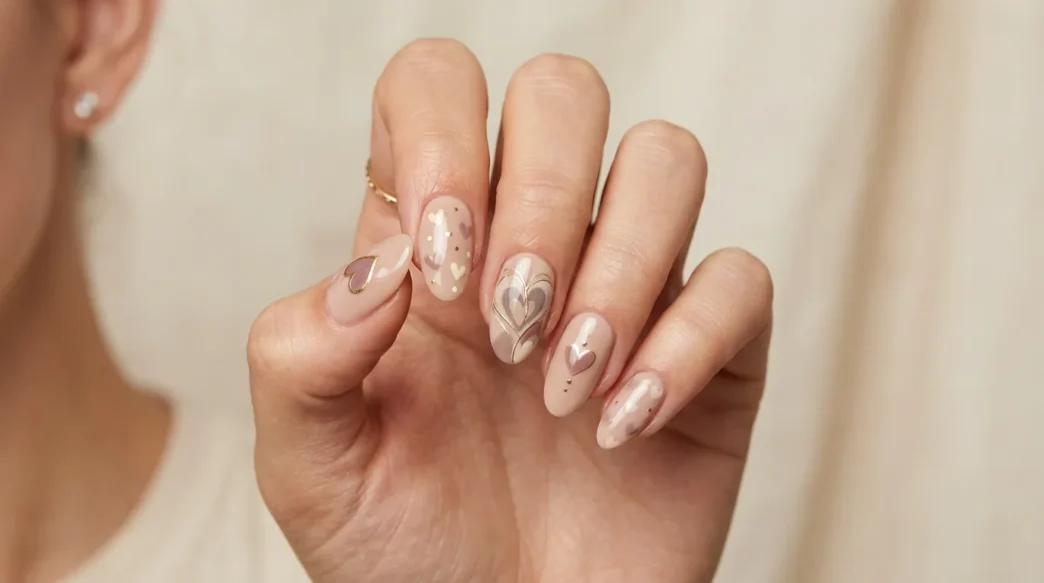
I used to think heart nails were strictly for teenagers and Valentine’s Day. Then I saw a woman at my nail salon wearing the most sophisticated heart design I’d ever seen — tiny, hand-painted hearts scattered across nude nails like constellation points. That moment changed my entire perspective on heart nail inspo. Hearts don’t have to scream “baby pink and glitter.” Done right, they can be elegant, modern, and completely grown-up.
What’s Inside This Heart Nail Gallery
1. The Single-Heart Accent
Less really is more with this approach. I place one tiny heart on the ring finger only — usually in a contrasting color that’s still within the same tonal family. Think a deep burgundy heart on dusty rose nails, or a charcoal heart on soft gray. The key is restraint. One heart becomes a statement. Five hearts become a pattern that reads much younger.
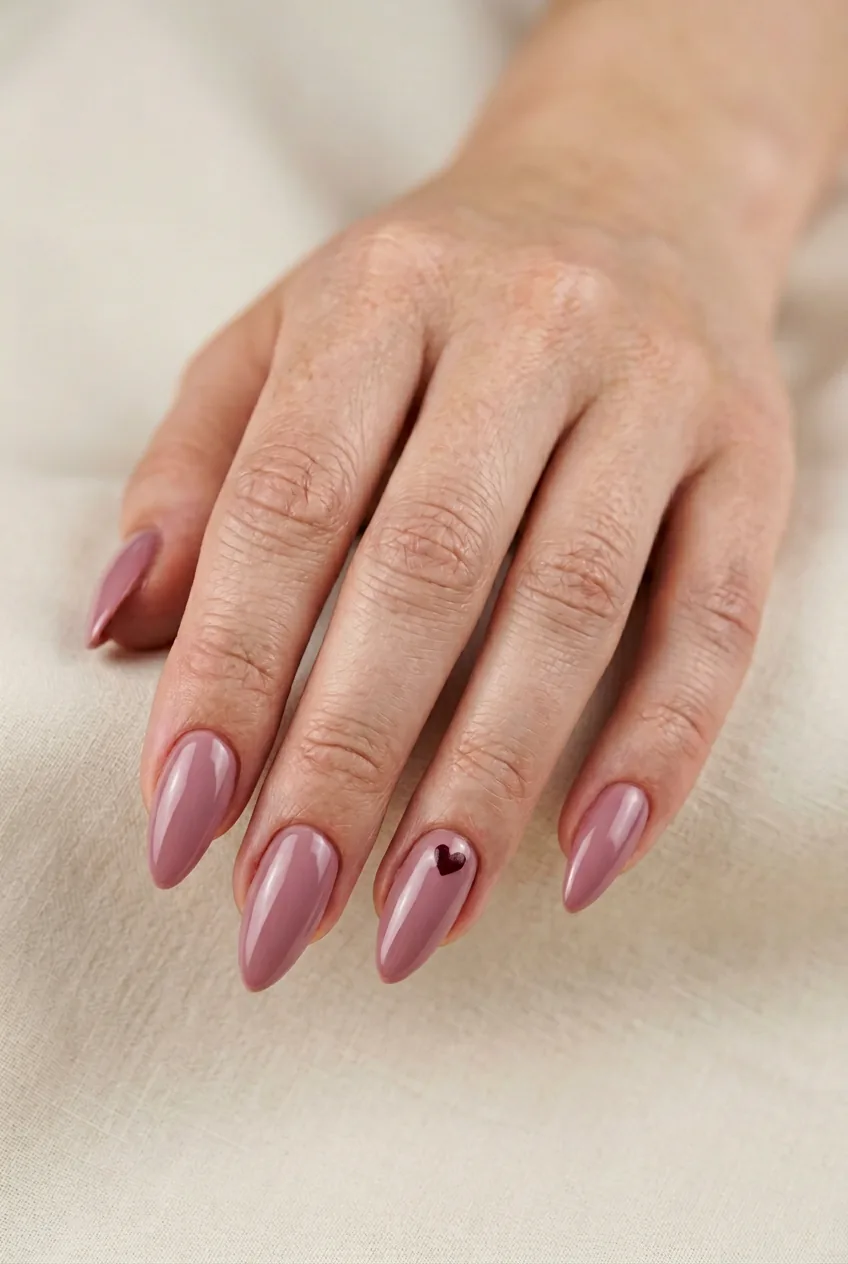
The placement matters too. I prefer the heart slightly off-center rather than dead middle. It feels more intentional, less like a sticker.
2. The Hand-Painted Heart Cluster
This is where technique separates sophisticated from juvenile. Hand-painted hearts have irregular edges and slight variations that machine-perfect decals lack. I cluster three to five tiny hearts in different sizes on one or two nails max. The imperfection is what makes it beautiful — and definitively adult.
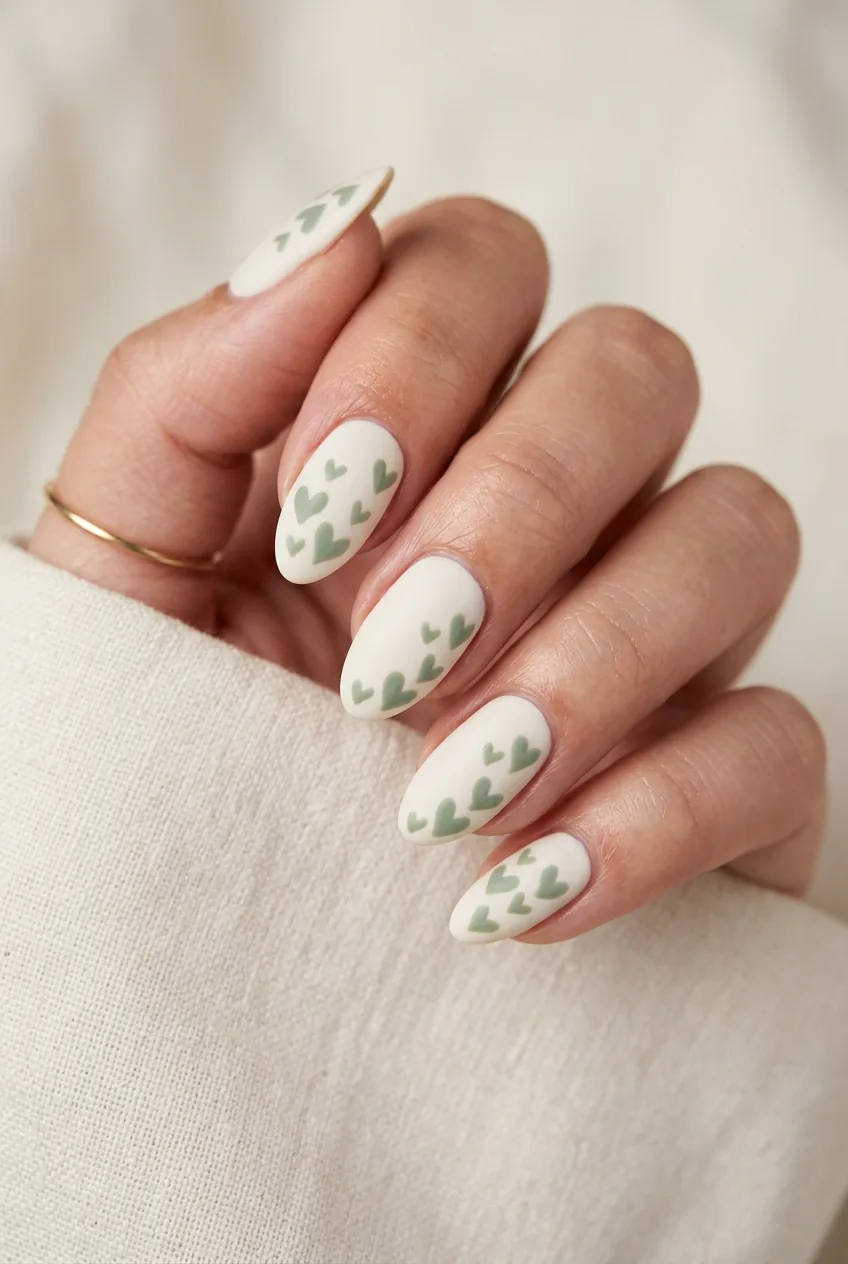
The color palette is crucial here. I stick to muted tones — sage green hearts on cream, or soft terracotta on beige. Nothing that screams from across the room.
The Hand-Painting Technique That Changed Everything
3. The Negative-Space Heart Outline
This technique flips the traditional filled-in heart on its head. Instead of painting the heart, you paint around it, leaving the heart shape as bare nail. It’s subtle, modern, and completely unexpected. I love how nail art designs like this challenge what we think hearts should look like.
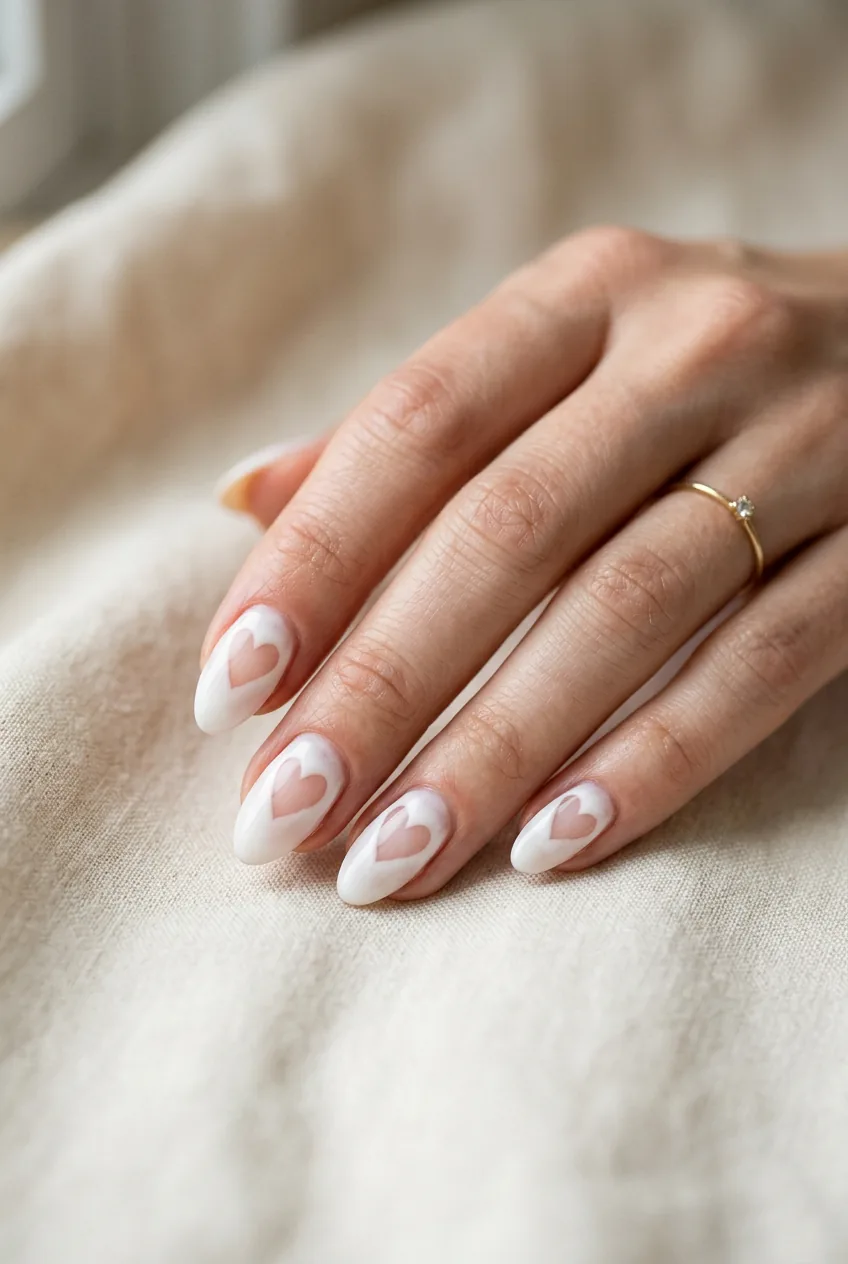
The outline can be thick or thin, sharp or soft. I prefer a slightly blurred edge for a watercolor effect that feels more artistic than precise.
4. The Subtle Ombré Heart
Gradients make everything more sophisticated. An ombré heart that fades from deep to light within the same color family reads as intentional design rather than cutesy motif. I start with the darkest shade at the bottom point of the heart and gradually lighten toward the top curves.
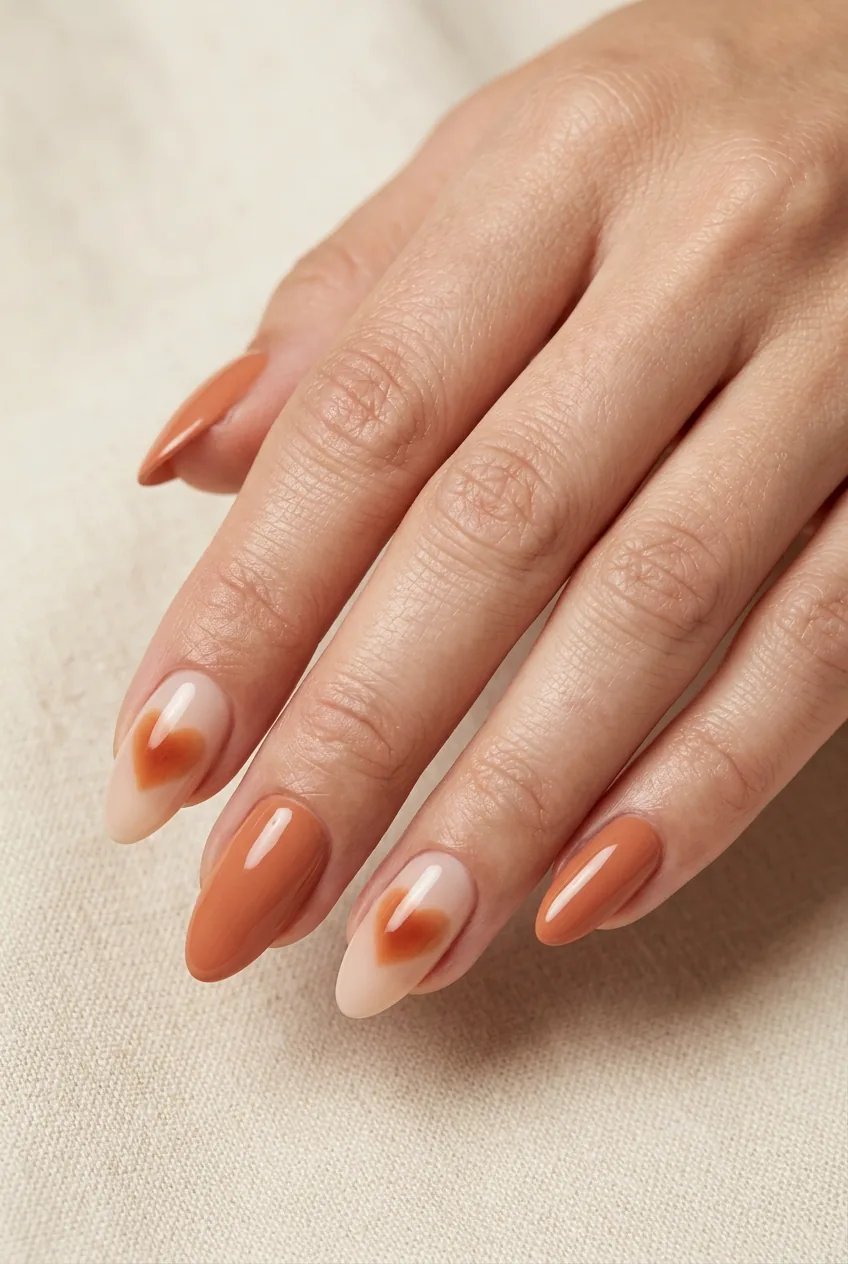
This works especially well with earth tones — think burnt orange fading to peach, or deep plum melting into lavender.
5. The Minimalist Heart Cuticle Design
Instead of centering the heart on the nail, I place it right at the cuticle line. It’s unexpected and creates interesting negative space below. The heart becomes part of the nail’s architecture rather than decoration sitting on top of it.
My personal pick from this whole list? The cuticle heart design. It’s the one that makes people do a double-take — they can’t quite figure out what makes the manicure feel so intentional and different.
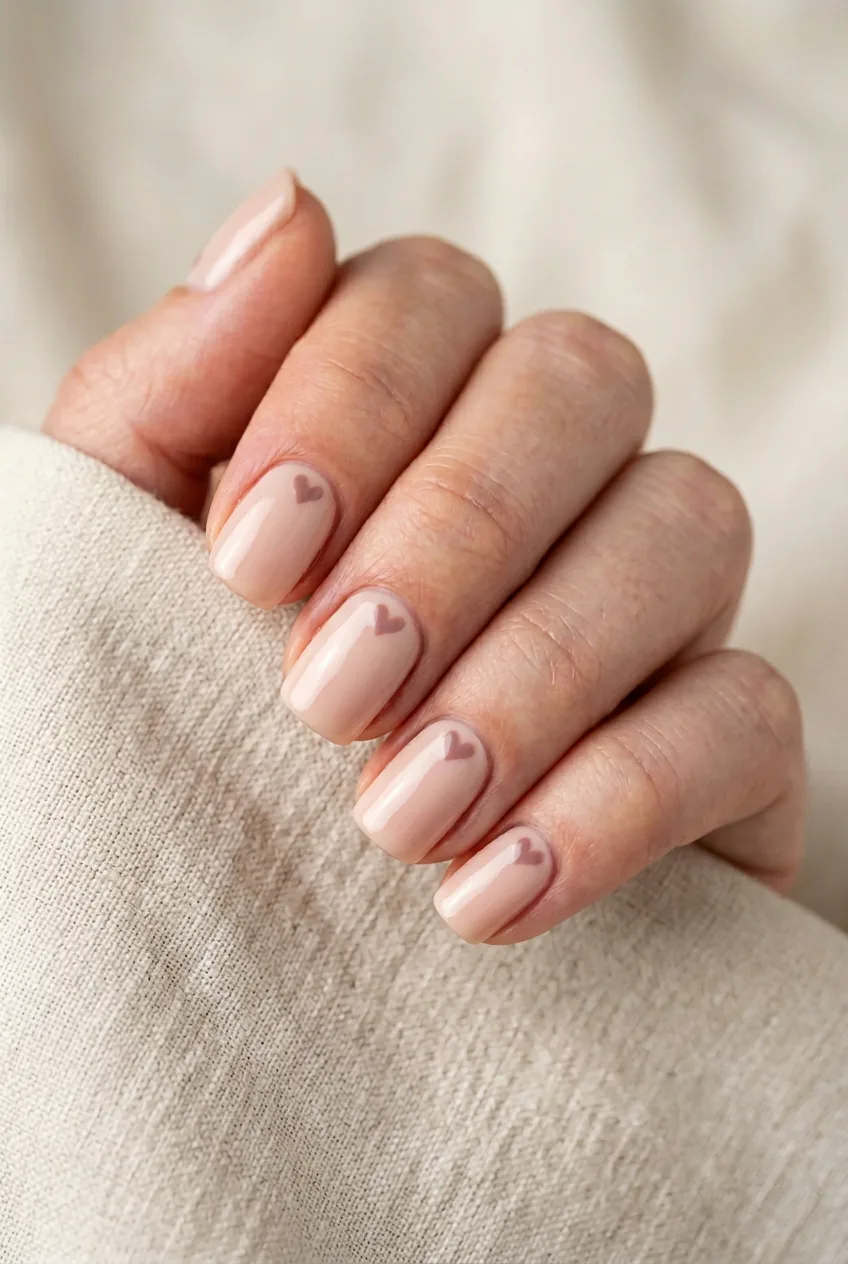
Keep the heart small and use a color just one or two shades darker than your base. Too much contrast kills the subtlety.
6. The French Tip Heart Twist
French tips get a romantic update when you replace the traditional curved line with tiny connected hearts. Instead of one continuous line across the tip, I paint three or four small hearts that touch at their points, creating a scalloped edge effect.
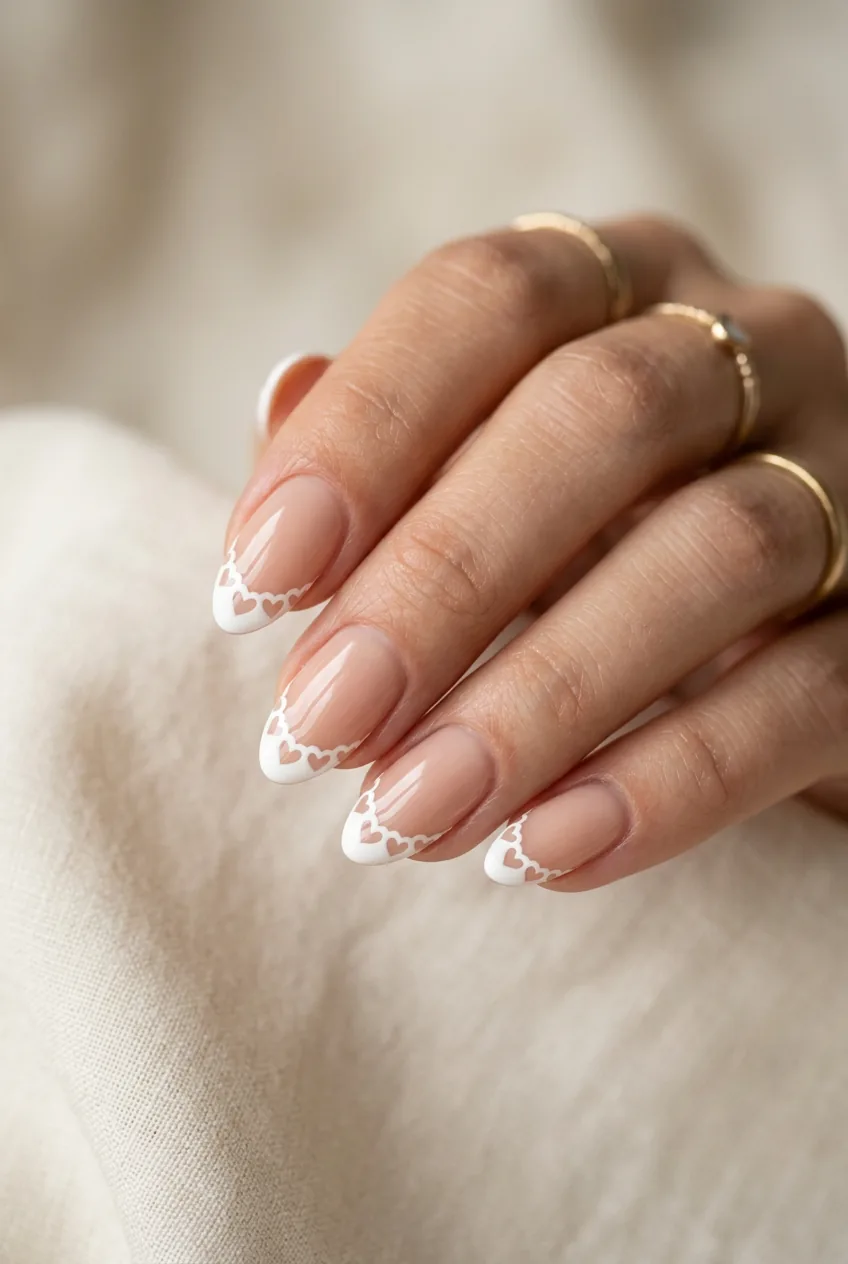
This works best on longer nails where you have space to create the pattern. On short nails, it can look cramped and busy.
7. The Abstract Heart Brushstroke
Hearts don’t have to be perfect shapes. Some of the most sophisticated nails inspiration I see uses loose, abstract brushstrokes that suggest a heart without drawing one literally. Think of it as heart-inspired rather than heart-shaped.
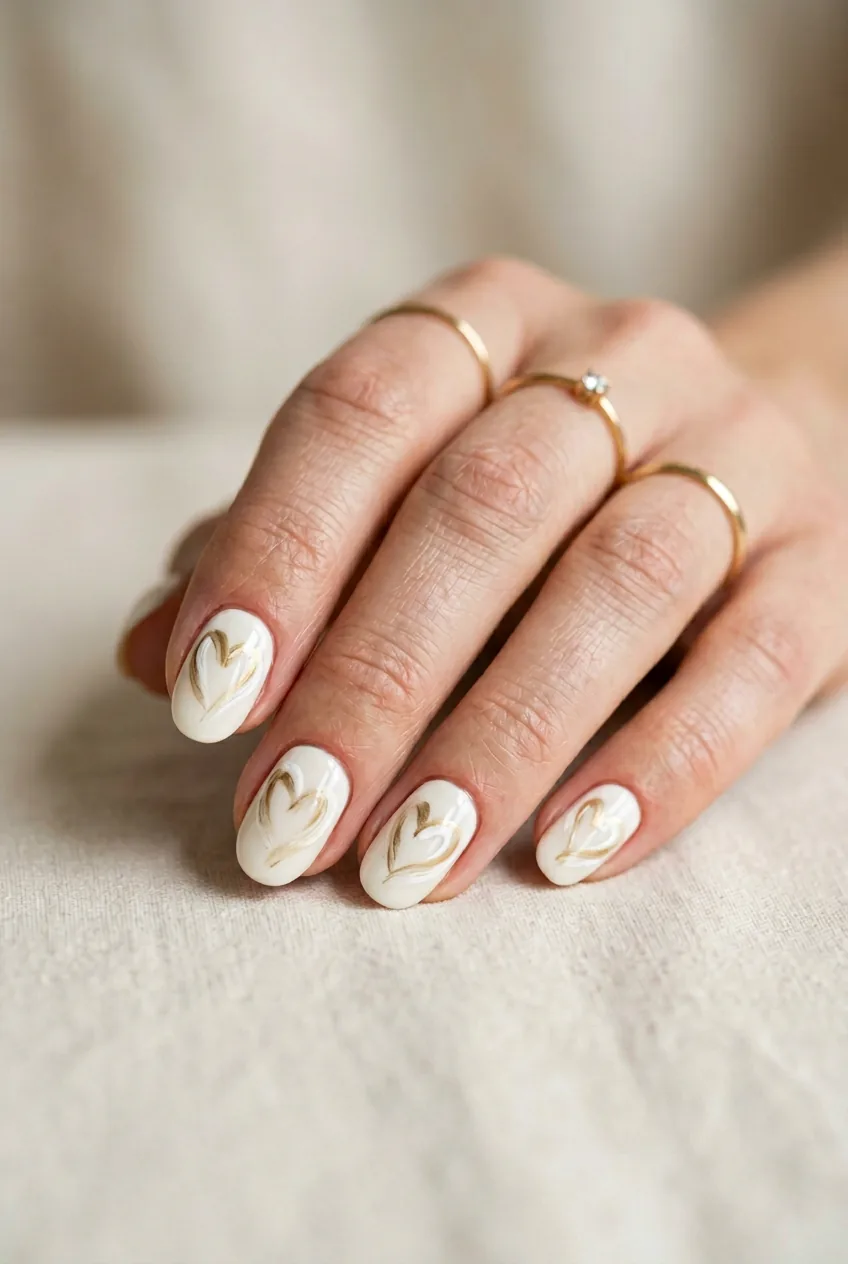
I use a flat brush and make two curved strokes that meet at a point. The imperfection is intentional — it looks like art, not a stamp.
8. The Metallic Heart Foil
Metallic hearts catch light differently than painted ones, creating depth and movement. I prefer copper or rose gold over bright silver — they feel warmer and more refined. The foil technique also creates interesting texture variations within the heart shape.
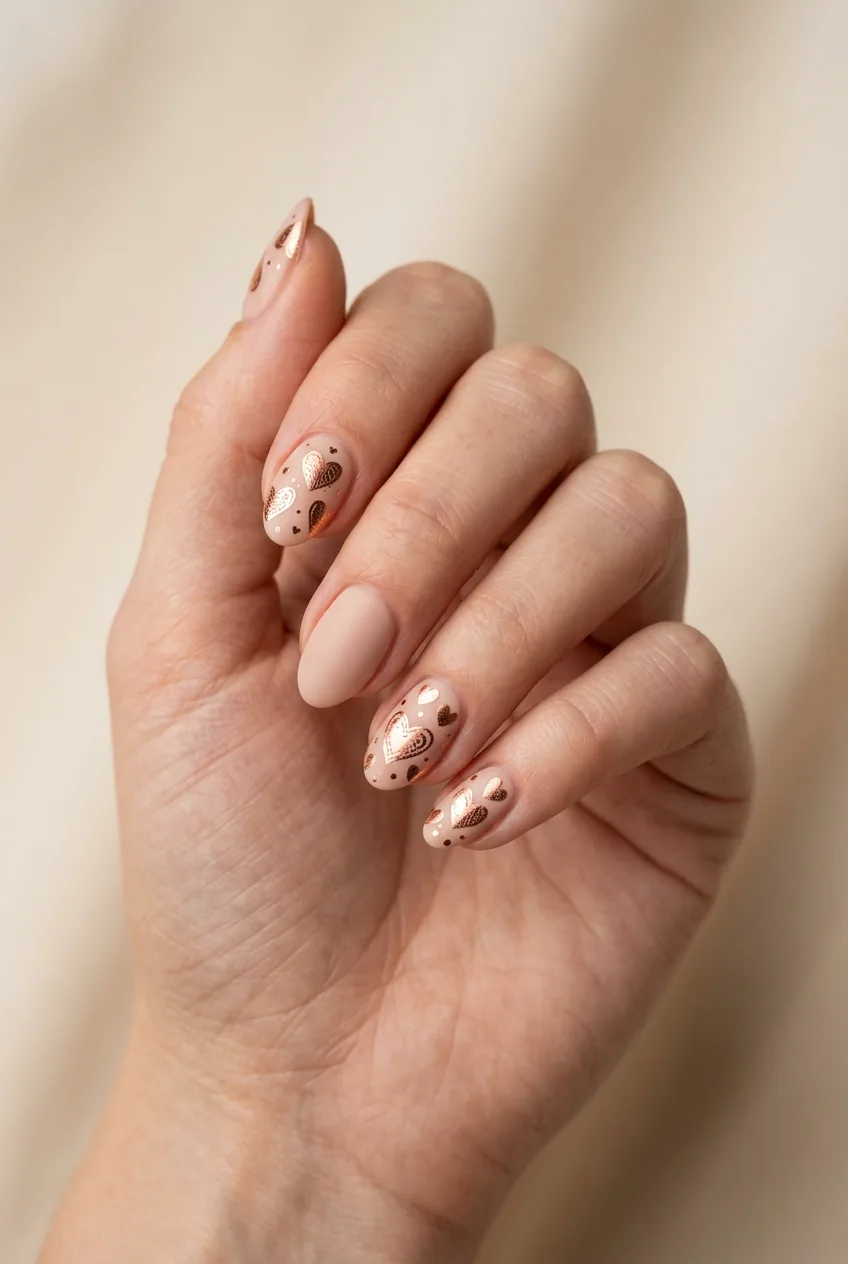
Apply the foil over a slightly tacky base coat for the best adhesion. Press firmly and peel away quickly for clean edges.
9. The Textured 3D Heart
Adding dimension through texture instantly elevates a simple heart. I build up the heart shape using thick gel or acrylic, creating a raised surface that casts its own shadow. The texture can be smooth and glossy or matte and velvety.
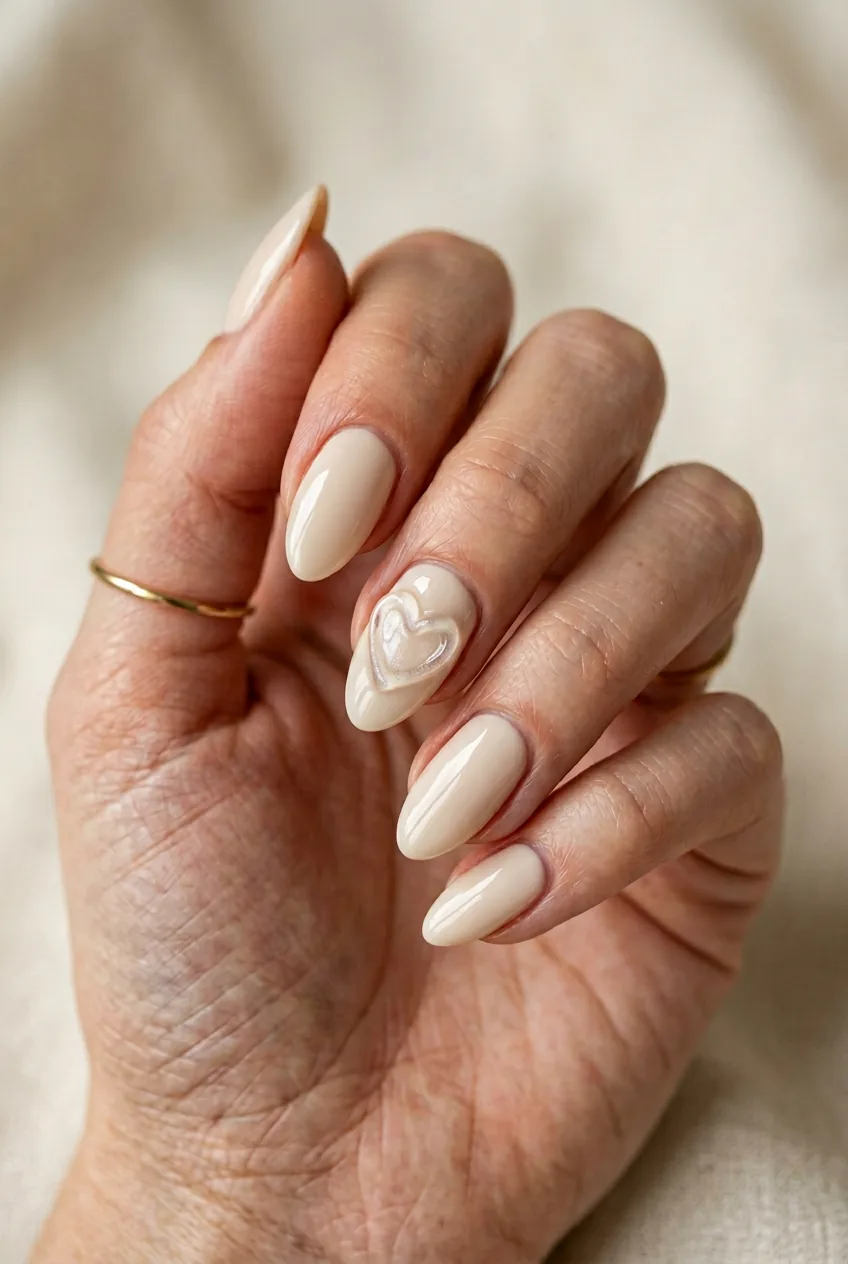
This technique works best as a single statement on one nail. Multiple 3D hearts can overwhelm the overall design.
10. The Heart-Shaped Cutout
Instead of adding a heart to the nail, I remove nail space in a heart shape to reveal the skin underneath. It’s like a reverse French manicure with attitude. The contrast between polished nail and natural skin creates an interesting interplay that feels very modern.
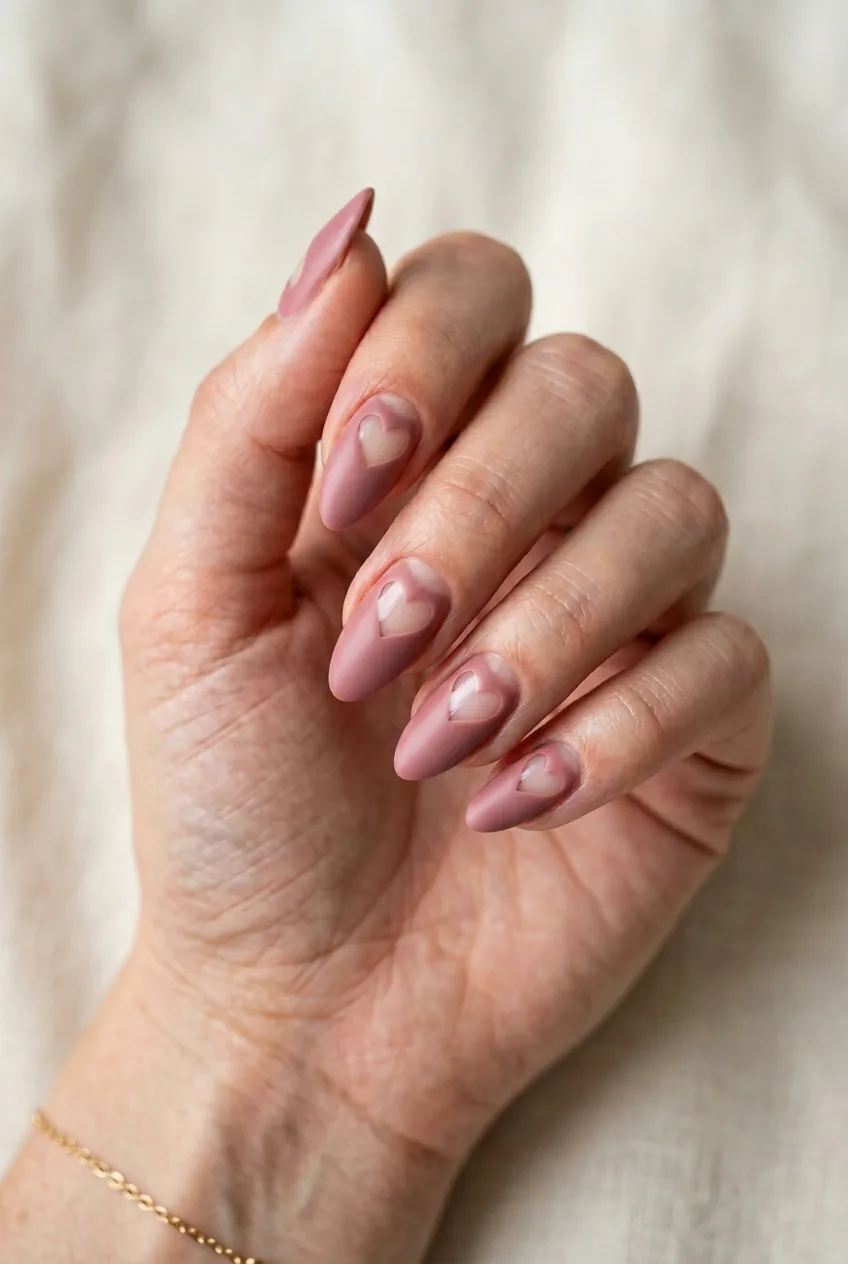
This only works if you have nail ideas that complement your natural nail bed color. Fair skin with pink undertones pairs beautifully with dusty rose polish, for example.
11. The Watercolor Heart Wash
This technique blurs the line between heart and abstract art. I start with a heart outline and then blend the edges outward using a damp brush, creating a soft wash effect. The heart dissolves into the base color rather than sitting on top of it.
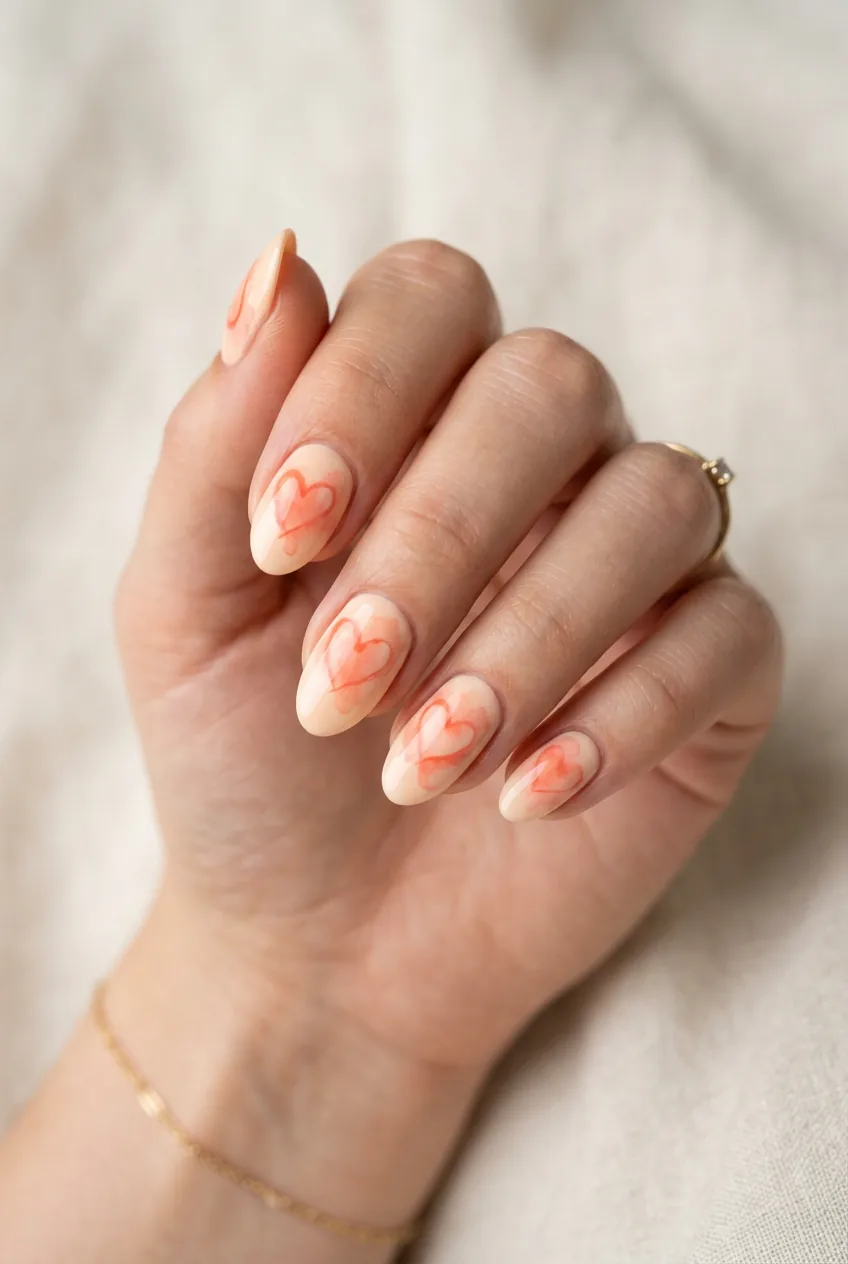
The watercolor approach works especially well with summer nail moods — light, airy colors that feel fresh rather than heavy. Think coral bleeding into peach, or sage melting into mint.
When hearts work and when they don’t: The sophistication comes down to color choice, placement, and restraint. Hearts work when they’re treated as design elements rather than decorative add-ons. They fail when they’re too bright, too many, or too perfectly uniform. The goal is to make someone look twice and think “that’s beautiful” before they even register that it’s a heart design.
I’ve learned that elevated nail art is really about subtlety and intention. These heart designs prove that even the most romantic motifs can feel grown-up when executed with the right technique and restraint. The woman at my salon was onto something — sometimes the most unexpected inspiration comes from reimagining what we think we know.