





I’ve been painting my nails since I was twelve. That’s over a decade of experimenting with every trend, technique, and tool that crossed my Instagram feed. Some phases lasted years. Others barely made it through a single season. But looking back, each era taught me something essential about what works for my lifestyle — and what absolutely doesn’t.
The Acrylic Years
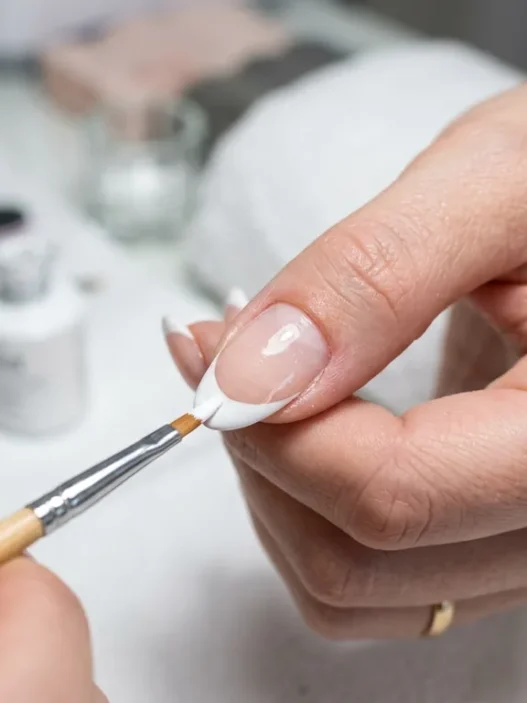
College me was obsessed with length. The longer, the better. I’d sit in that nail salon chair every three weeks religiously, watching the technician build these impossibly long coffin shapes that made typing a legitimate challenge. French tips were my go-to — classic, I thought. Professional-looking.
What I loved: The instant gratification. Walk in with broken, bitten stubs. Walk out feeling like I could conquer the world. Acrylics gave me confidence I didn’t know I was missing.
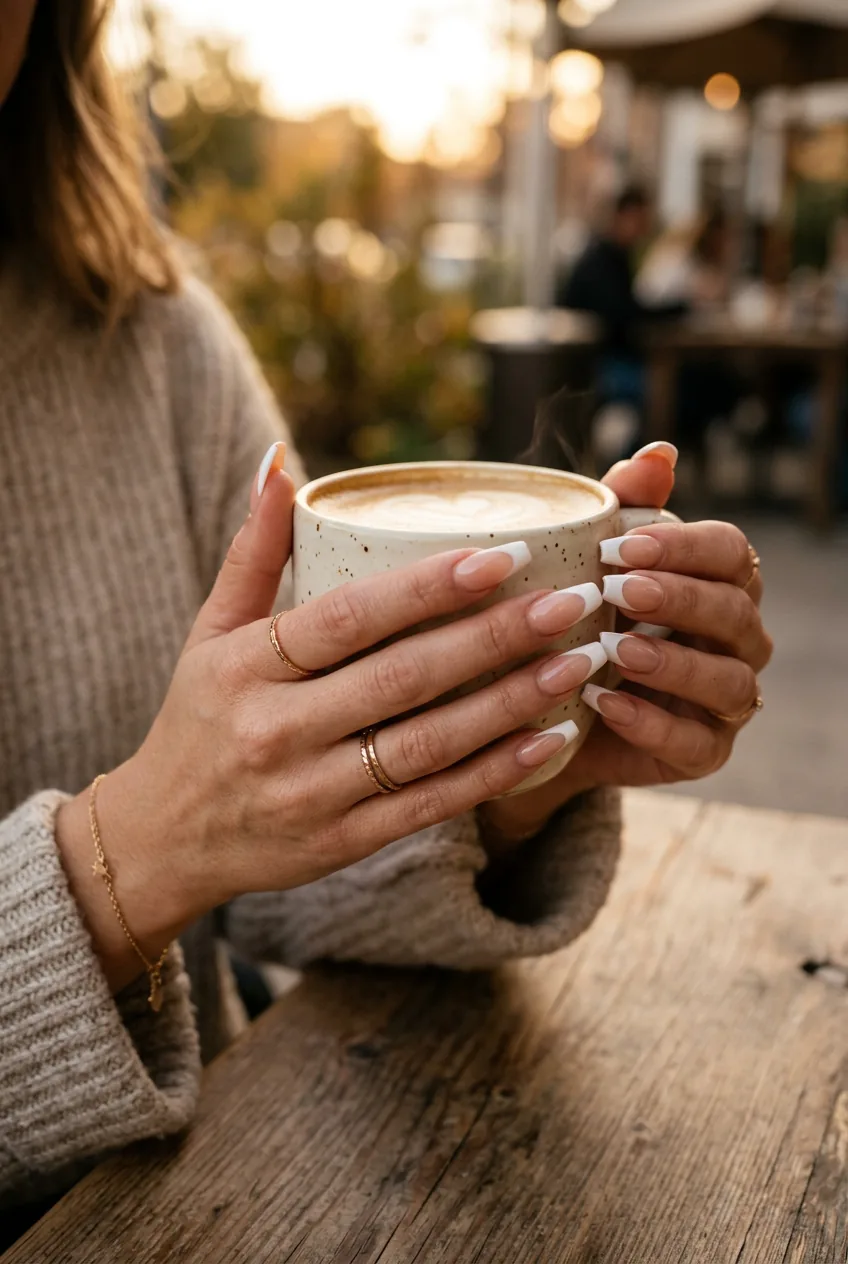
The reality hit during my first internship. I couldn’t type properly. Opening cans was an ordeal. And the maintenance? Forget spontaneous weekend trips — I had to plan my life around nail appointments. When one would lift or break, the whole set looked terrible until I could get it fixed.
The final straw came during a beach vacation when I couldn’t apply sunscreen properly without getting product stuck under my nail shapes. That’s when I realized I’d chosen form over function — and it wasn’t working.
The Bare-Nail Phase
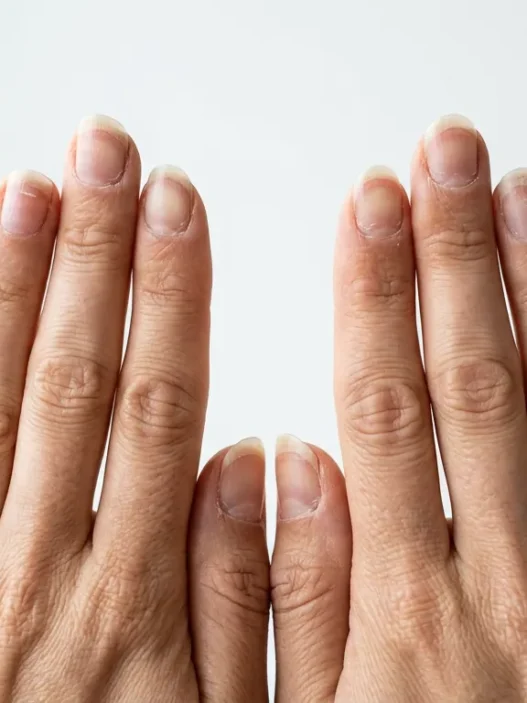
After getting my acrylics removed, my natural nails were destroyed. Thin, peeling, weak — basically paper. I decided to go completely bare while they recovered. No polish, no treatments, just naked nails for six months.
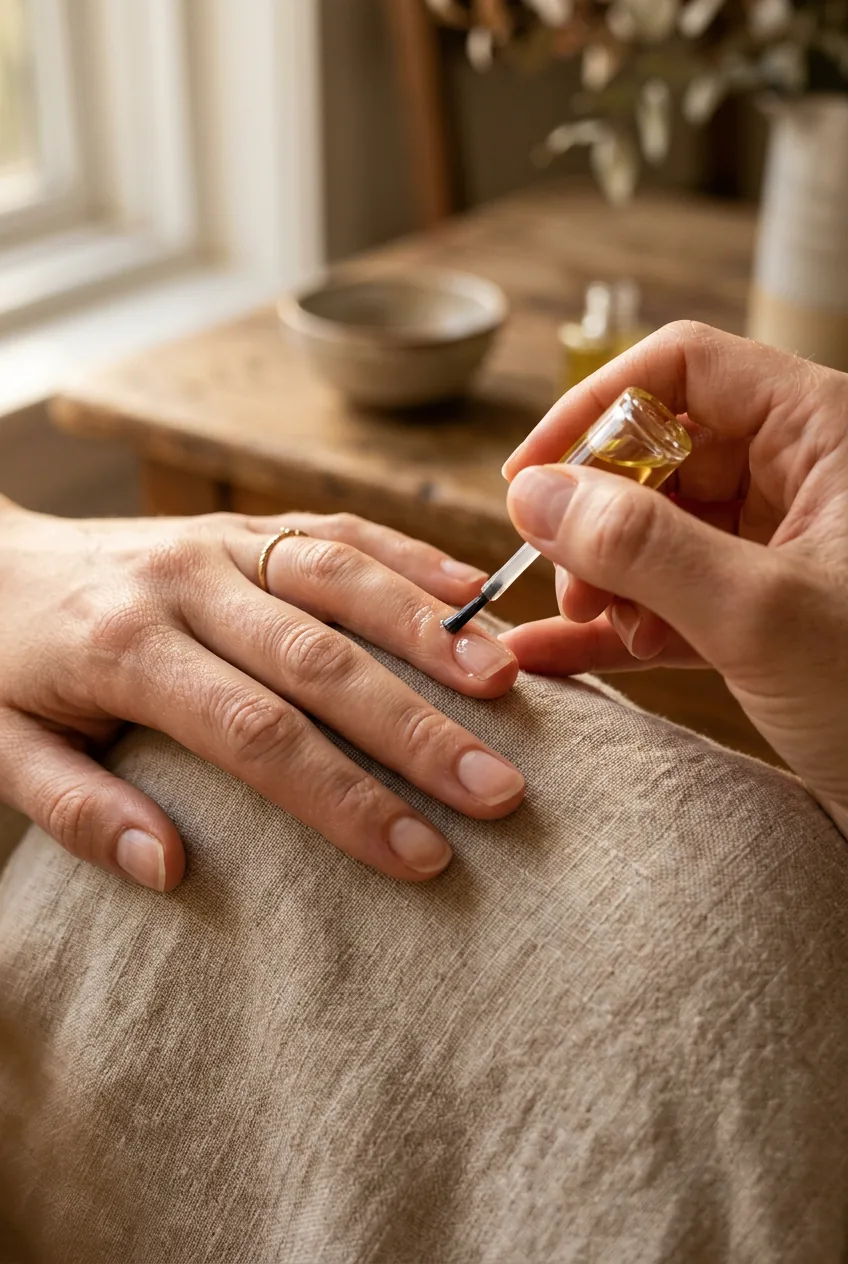
This phase taught me more about nail care than any YouTube tutorial ever could. I learned to push back cuticles properly. Started using cuticle oil religiously. Discovered that my nails actually had a decent shape when I wasn’t covering them up with artificial length.
But honestly? I felt naked without polish. My hands looked unfinished to me. I’d catch myself hiding them in meetings or tucking them away in photos. The bare-nail phase was necessary for healing, but it wasn’t sustainable for my confidence.
The turning point came when a coworker complimented my “natural, healthy-looking nails.” I realized I’d been so focused on what I was missing that I hadn’t noticed what I’d gained — actual nail health for the first time in years.
The Gel Era
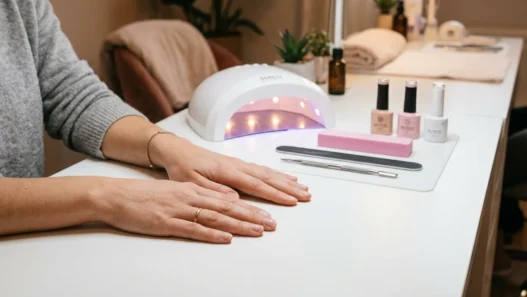
Gel polish felt like the perfect compromise. All the glossy finish and chip resistance I craved, but on my natural nails. I invested in a UV lamp and turned my bathroom into a mini salon. For two years, I was obsessed.
Gel application became my Sunday evening ritual. I’d spend an hour perfecting the base coat, color, and topcoat process. The results lasted two weeks without a single chip — pure magic after years of regular polish that chipped within days.

But gel had its own problems. The removal process was brutal, even when I did it “correctly” with acetone wraps and patience. My nails would emerge thinner each time. And despite what beauty blogs claimed, the UV exposure started worrying me after reading about potential skin damage.
The final wake-up call was when I noticed my nail beds were constantly irritated. That perfect gel manicure finish came at the cost of nail health I’d worked so hard to rebuild. Something had to change.
The Short-and-Natural Discovery
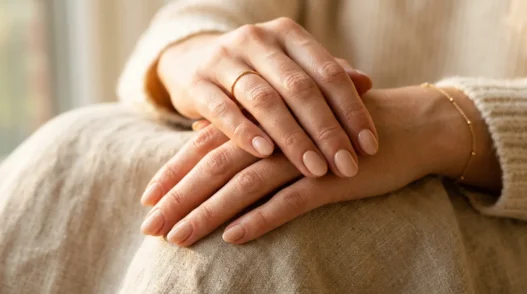
This might sound boring, but discovering the beauty of short, natural nails with regular polish changed everything. I’m talking barely-past-the-fingertip length, rounded edges, classic colors.
The inspiration came from watching a French makeup artist’s Instagram stories. She had these perfectly manicured short nails in the most elegant nude shade. They looked so effortlessly chic that I screenshot the video to show my manicurist.

Here’s what I learned: short nails are incredibly practical. I could type without clicking. Apply skincare products properly. Cook without worrying about damage. But more importantly, they forced me to focus on nail health and perfect application rather than relying on length for impact.
The maintenance was minimal but consistent. A fresh coat of polish every five days, cuticle oil twice daily, and regular filing sessions to maintain shape. My nails grew stronger than they’d been since before my acrylic phase.
The Manicure I Settle Into Now
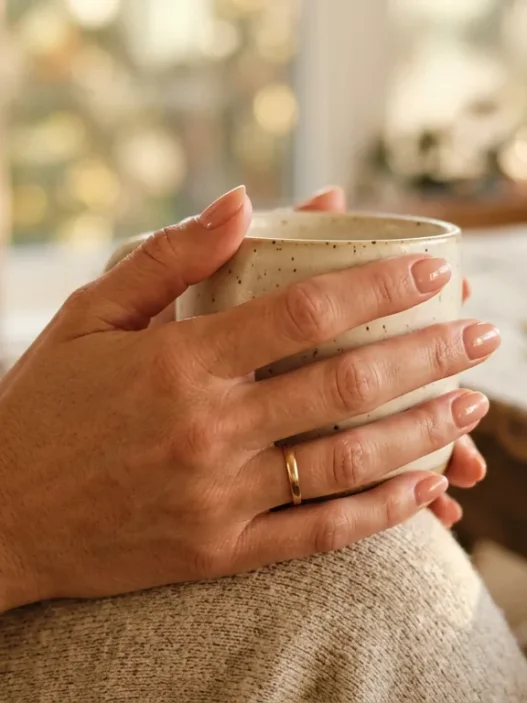
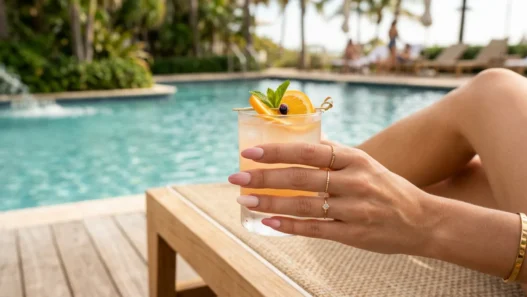
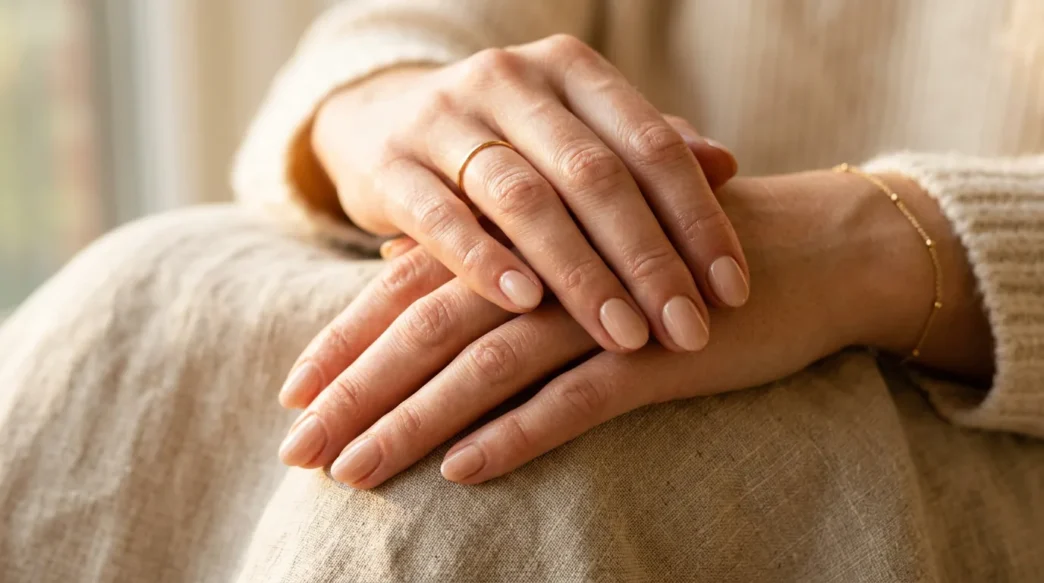
These days, my nail routine is surprisingly simple. Short, natural length with a focus on health over everything else. I use a good base coat, two thin layers of polish in neutral shades, and a quick-dry top coat. The whole process takes twenty minutes.
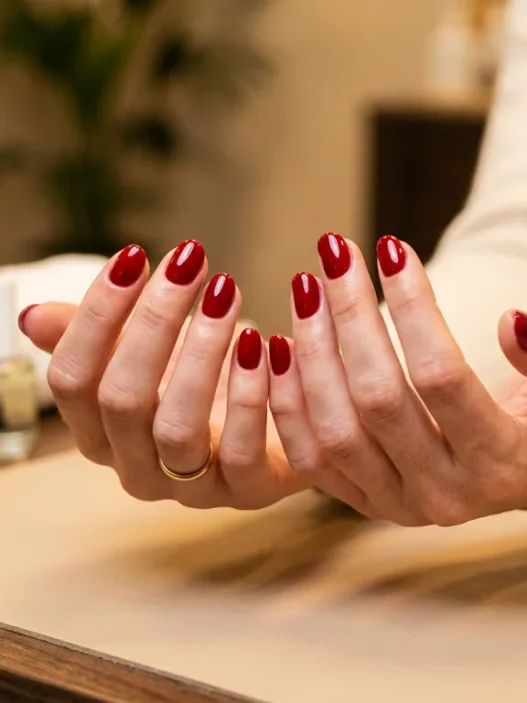
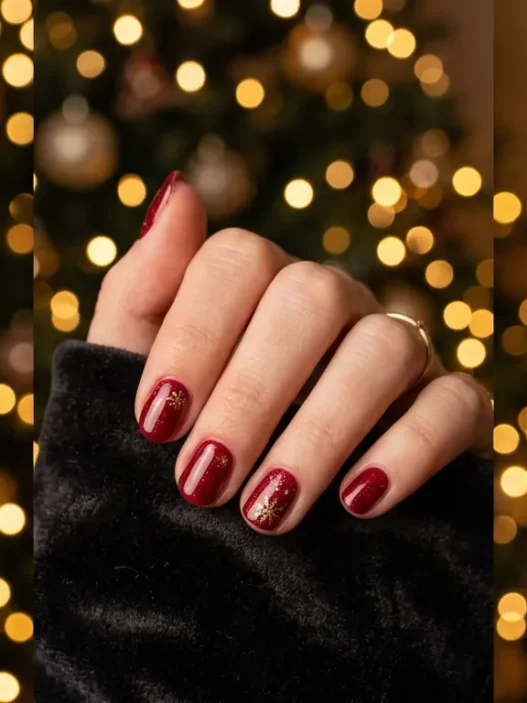
My go-to colors rotate between three shades: a perfect “my nails but better” nude, a classic red for special occasions, and a soft pink that works with everything. I’ve stopped chasing trends and started focusing on what makes my hands look polished and put-together.

The biggest lesson from this decade-long journey? Your nails should enhance your life, not complicate it. I spent years prioritizing appearance over function, and it never felt quite right. Now my nails work with my lifestyle instead of against it.
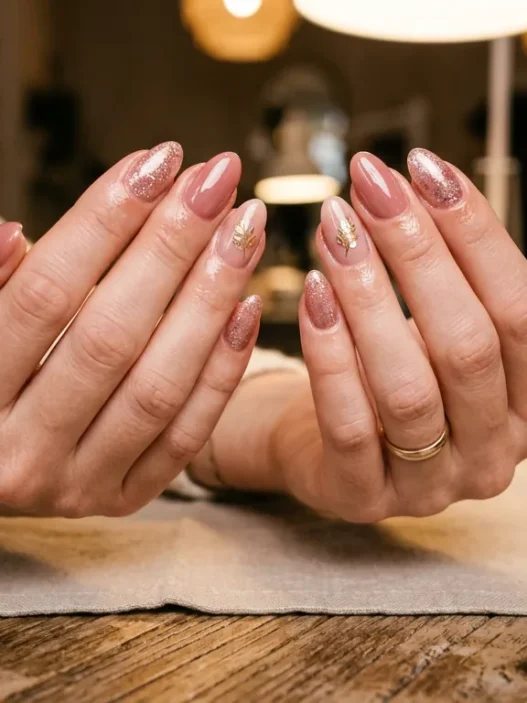
I still love nail art designs and experiment occasionally, but my daily look is about healthy, well-maintained natural nails that I can count on. It’s taken me ten years to figure out that sometimes the most beautiful choice is also the most practical one.
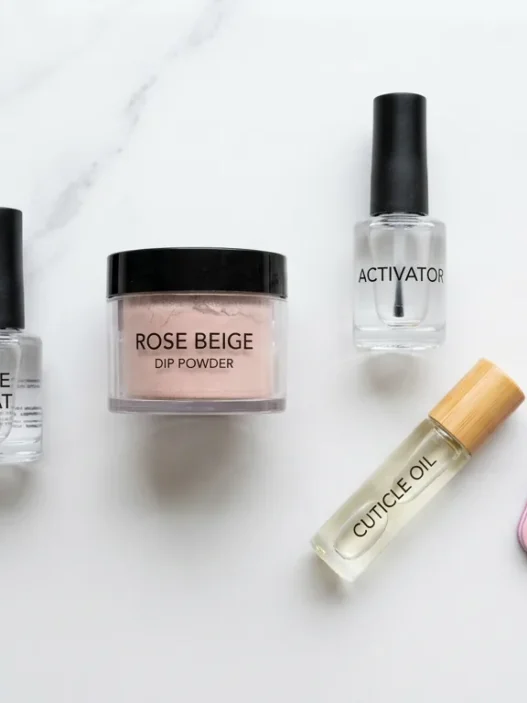
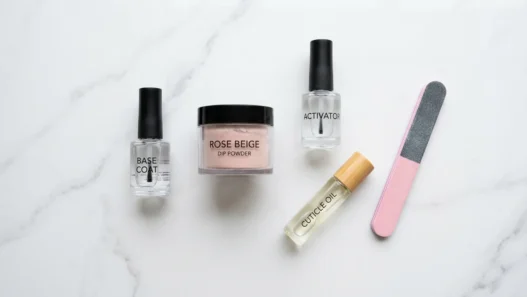
Strengthening treatments have become my secret weapon for maintaining this routine. A weekly treatment keeps my nails flexible and strong, even with regular polish changes.
The Technique That Changed My Routine
Questions I Get About This
Don’t you miss the drama of long nails?
Sometimes, but not enough to go back. I’ve realized I prefer subtle elegance over statement nails for my daily life. When I want drama, I add it through color choice rather than length.
How do you keep regular polish from chipping?
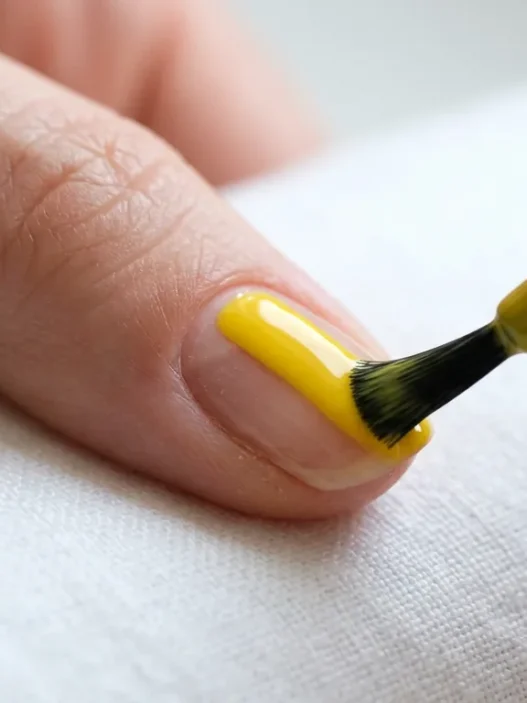
Thin coats are everything. I’d rather do three thin layers than two thick ones. And I always wrap the tips — that little extra step on the free edge makes polish last days longer.
What made you realize gel wasn’t working?
The constant irritation around my cuticles was the biggest red flag. Plus, I started noticing my natural nails getting thinner despite being “protective.” My nails are healthier now with regular polish and proper nail repair techniques.
Do you ever regret the acrylic years?
Not really. They taught me what I don’t want, which is just as valuable as knowing what I do want. Plus, the confidence I gained during that phase was real, even if the method wasn’t sustainable.
Looking back, every phase served a purpose. The acrylics gave me confidence when I needed it most. The bare-nail period taught me about nail health. Gel showed me the value of durability. And now I’ve landed on something that combines the best parts of each era while actually working with my real life. That feels like growth to me.