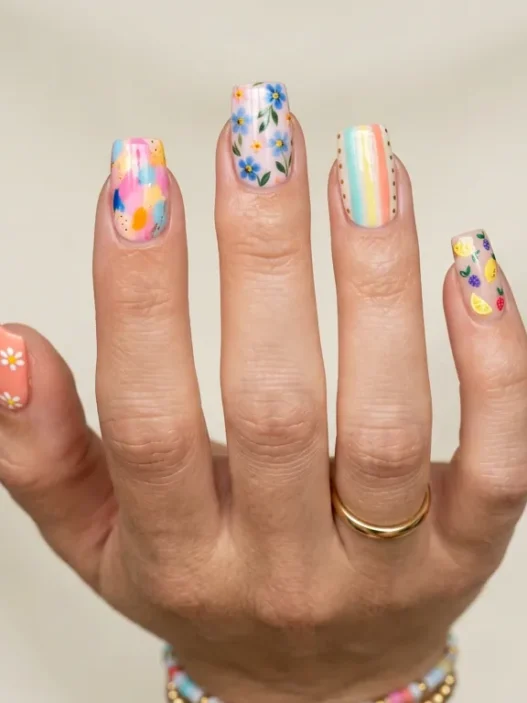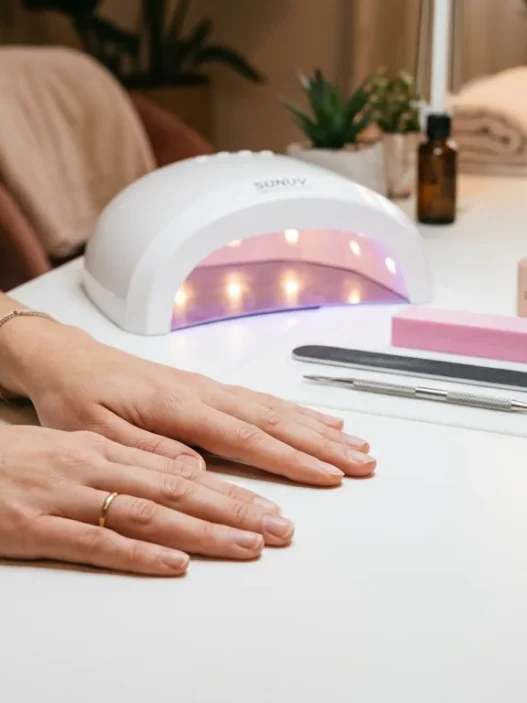



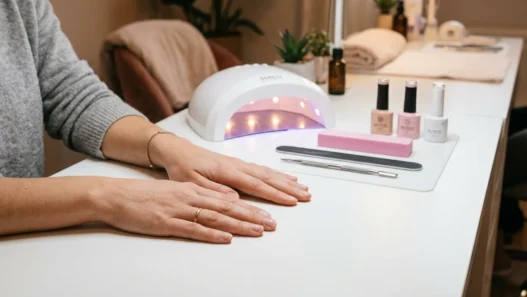



I used to butcher my nails every single time I tried to file them square. The corners would chip within hours, the edges looked jagged, and I’d end up with these weird trapezoid shapes that definitely weren’t the crisp squares I was going for. After destroying countless manicures, I finally figured out it wasn’t my technique that was wrong — I was using my nail file completely backwards.
Everything You Need to Know About Filing Square Nails
What You’ll Need
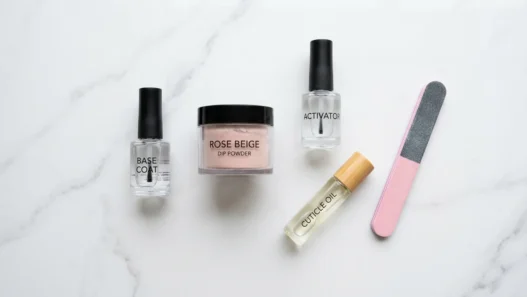
Before we dive into the actual technique, here’s what I keep in my nail kit specifically for filing square nails:
- 180/240 grit nail file (my personal sweet spot)
- Glass file for finishing touches
- Clean white towel to catch dust
- Good lighting — seriously, this matters more than you think
- Cuticle pusher (for checking your work)
- Base coat (to test how the shape holds polish)
What the Nail File Actually Does
Here’s what nobody tells you about nail files: they’re not just sandpaper for your nails. A good file actually seals the keratin layers as it cuts, which is why some people get smooth edges while others get these rough, chip-prone disasters.
The anatomy of your file matters way more than I realized. The coarse side (usually around 180 grit) does the heavy lifting — it removes length and shapes the basic outline. But it leaves microscopic tears in the nail plate that need smoothing. That’s where the finer side comes in.
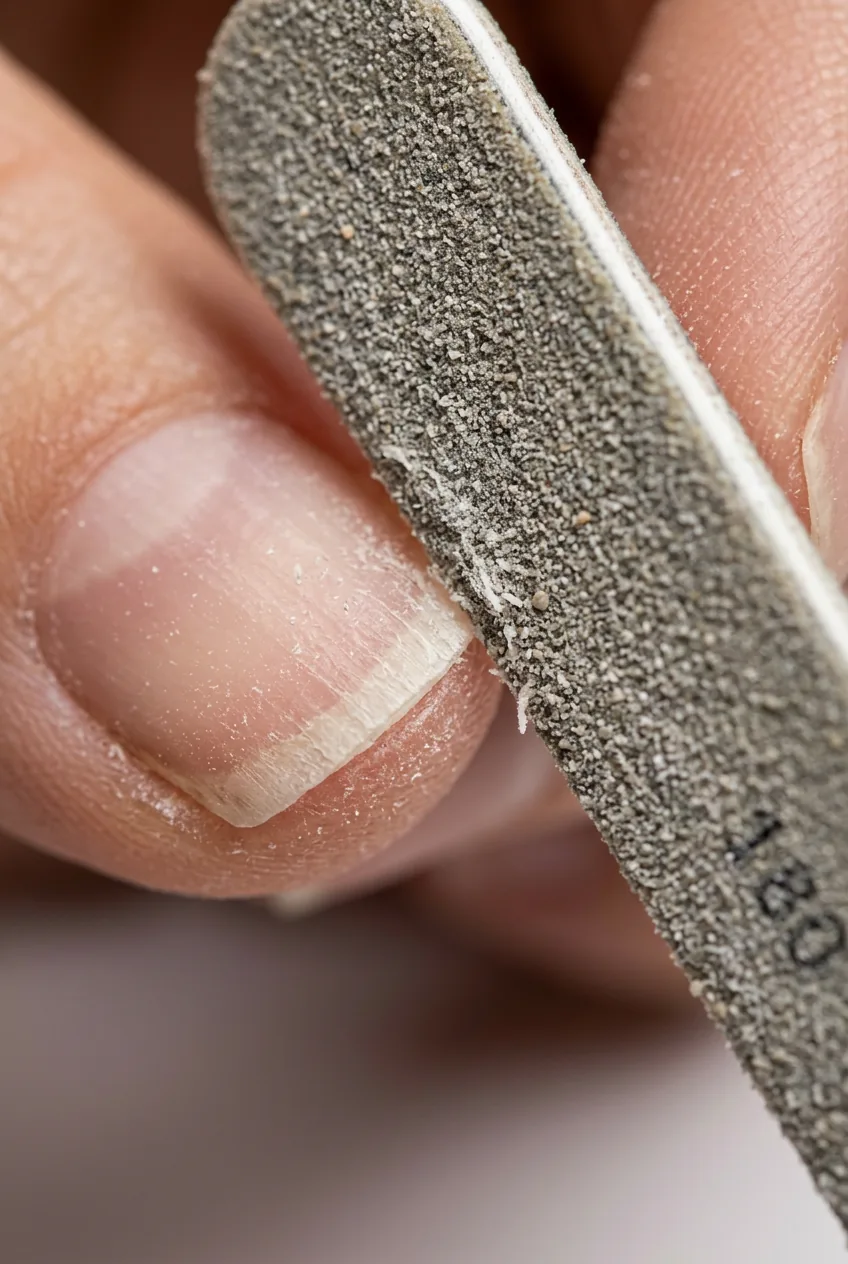
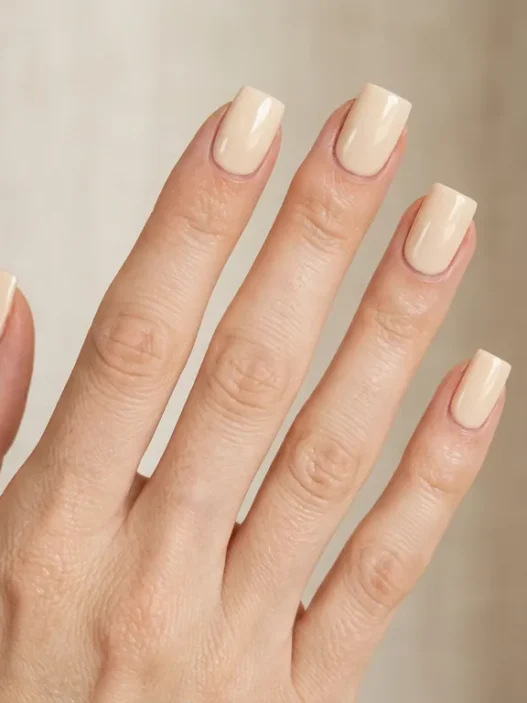
For square nails specifically, you’re asking the file to create two very different things: straight edges and sharp corners. Most people try to do both at once, which is where the problems start. Filing mistakes happen when you treat corners like edges.
How to Hold It
I held my file like a pencil for years. Wrong, wrong, wrong.
The correct grip feels weird at first, but it gives you so much more control. Hold the file between your thumb and first two fingers, with your thumb on top about an inch from the tip. Your wrist should be straight, not bent. Think of it like holding a paintbrush when you’re doing detail work.
The angle is everything. Keep the file perpendicular to the nail — not tilted up or down. When I tilt the file even slightly, I end up shaving off more nail than I meant to, especially at the corners.
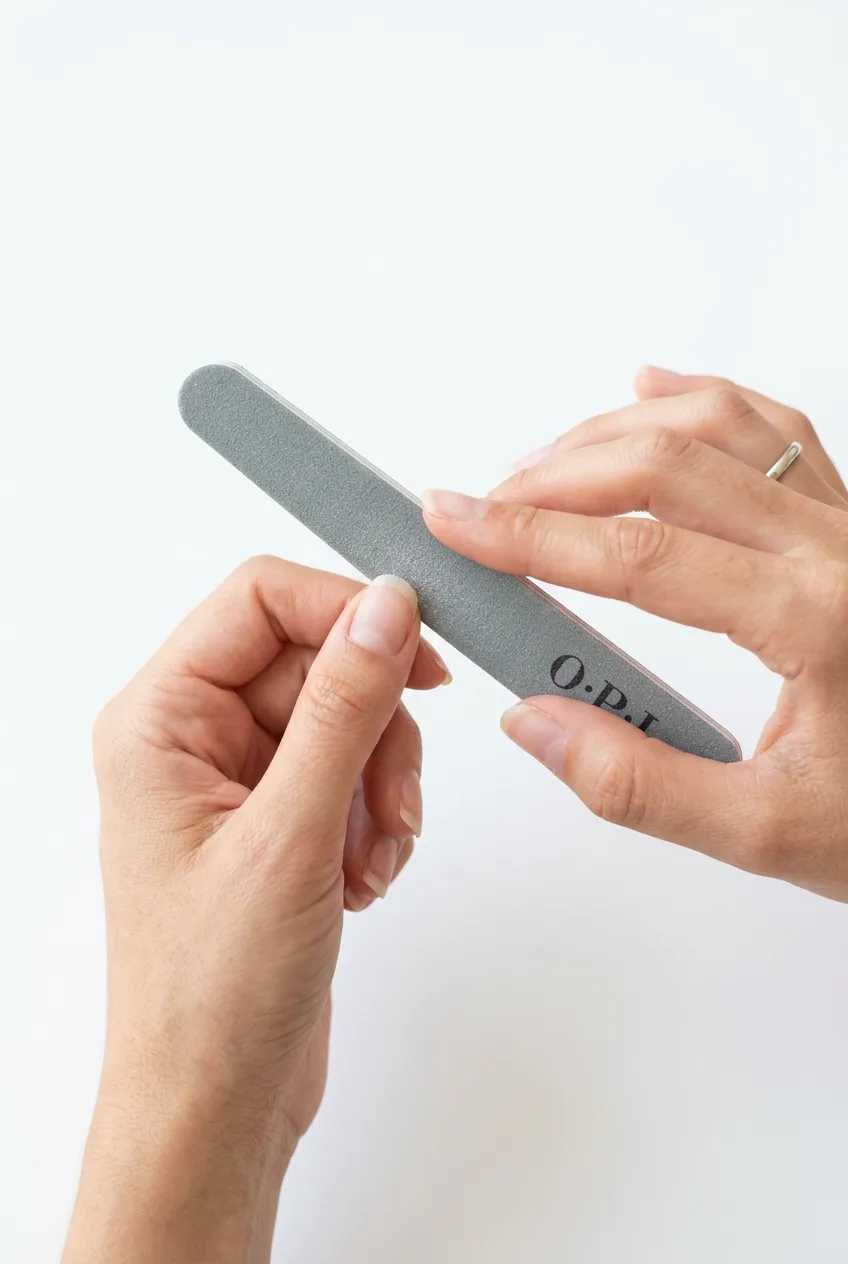
Your non-filing hand needs to do work too. Use it to brace your finger and keep everything steady. I rest my thumb against the finger I’m filing, which stops that annoying wobble that leads to uneven edges.
The Three Strokes You Need to Know
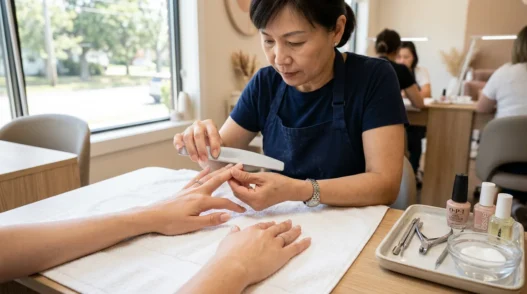
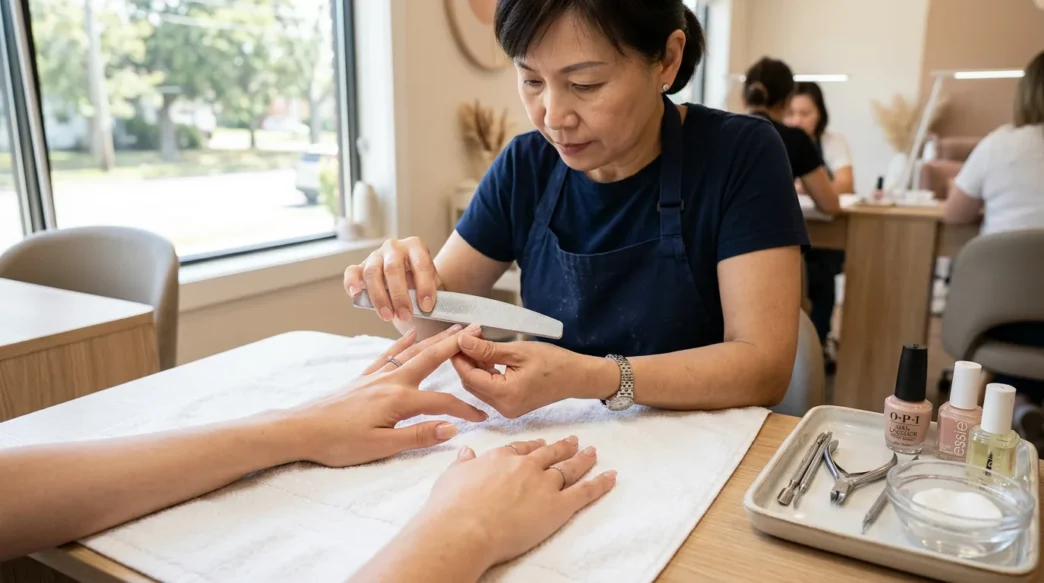
There are only three motions you need to master for perfect square squoval nails, and I use them in this exact order every single time.
The Straight Stroke: This is for the main edges. File in one direction only — from the outer edge toward the center. I do about 6-8 strokes per side, depending on how much length I’m taking off. Never saw back and forth; it creates heat and splits the nail.
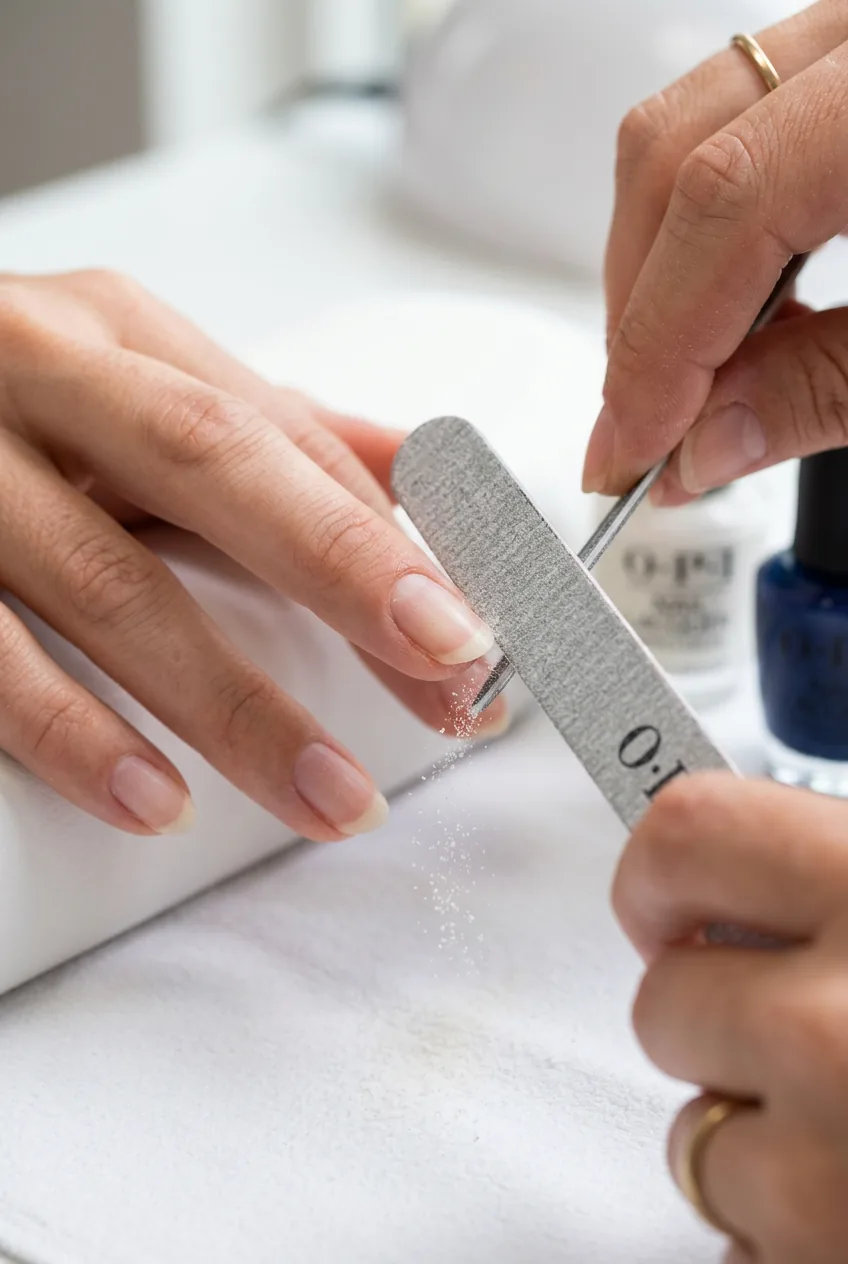
The Corner Stroke: Here’s where most people mess up. You need to approach each corner from two angles. First, file straight down from the top of the nail to create the vertical edge. Then file horizontally from the side to meet that vertical line. The corner forms where these two lines meet — don’t try to “round” it.
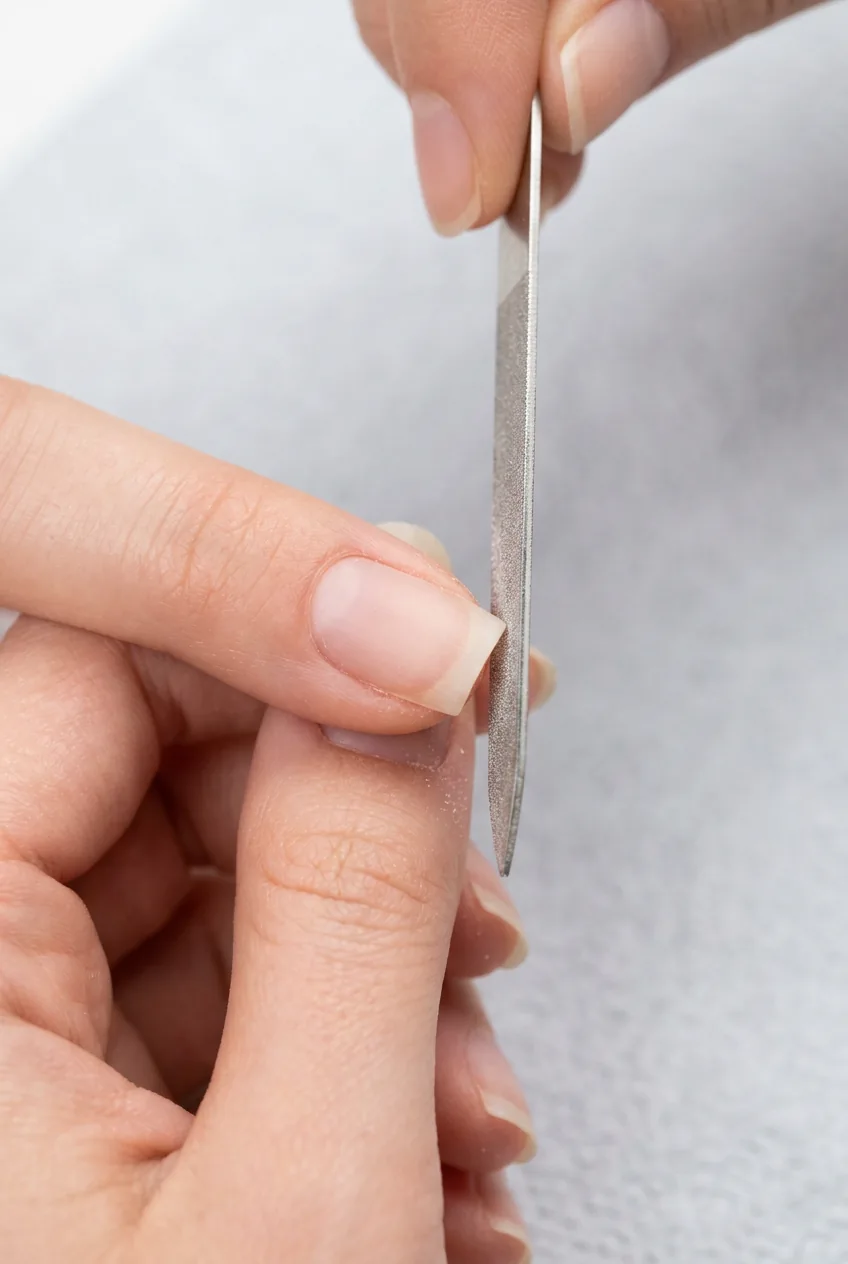
The Finishing Stroke: Switch to your fine grit side and do one gentle pass along each edge. This seals everything and removes any rough spots.
Watch the Three-Stroke Method in Action
Common Tool Mistakes (And How They Read on the Nail)
I’ve made every filing mistake in the book, and each one shows up differently on the finished nail.
The biggest mistake I made for years was filing too fast. I thought I was being efficient, but speed creates heat, and heat makes nails split. I learned this the hard way when I filed right through my nail plate trying to “quickly” reshape a broken corner.
Using a file that’s too coarse is another big one. If you’re seeing white dust instead of clear particles, your grit is too rough. Square nails need precision, not aggressive removal.
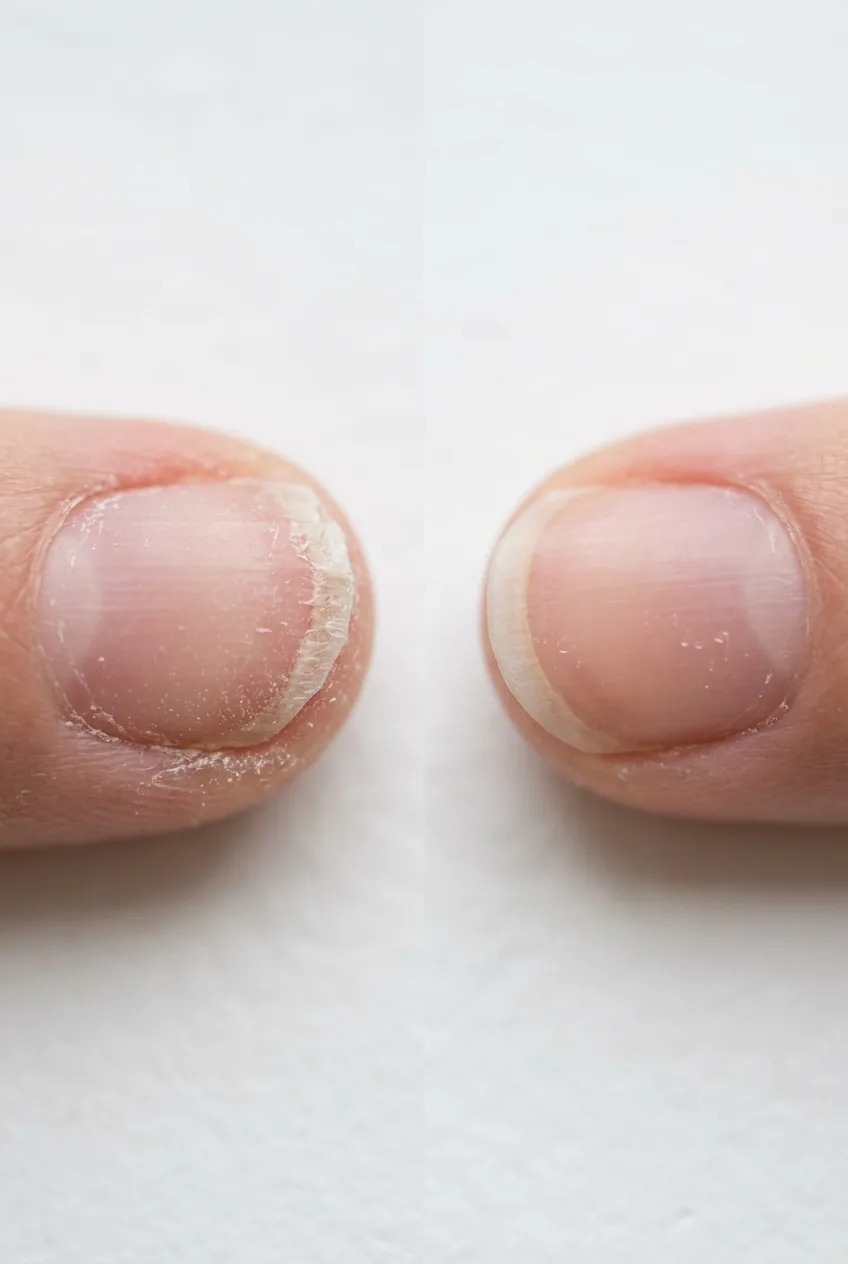
Filing wet nails seems logical (easier to cut through), but it’s actually terrible for the shape. Wet keratin compresses, so you end up taking off more than you intended. Always file completely dry nails.
And please, never use the sides of the file to “smooth” your work. Those sides aren’t designed for nail contact and they’ll create ridges that show through polish.
Cheap Version vs Investment Version
I used to buy those multi-packs of emery boards from the drugstore. They work, sort of, but they die after about three uses and they’re impossible to sanitize properly.
The upgrade that changed everything for me was switching to a glass file. Yes, they’re more expensive upfront, but I’ve had the same one for two years. Professional files last so much longer and give cleaner results.
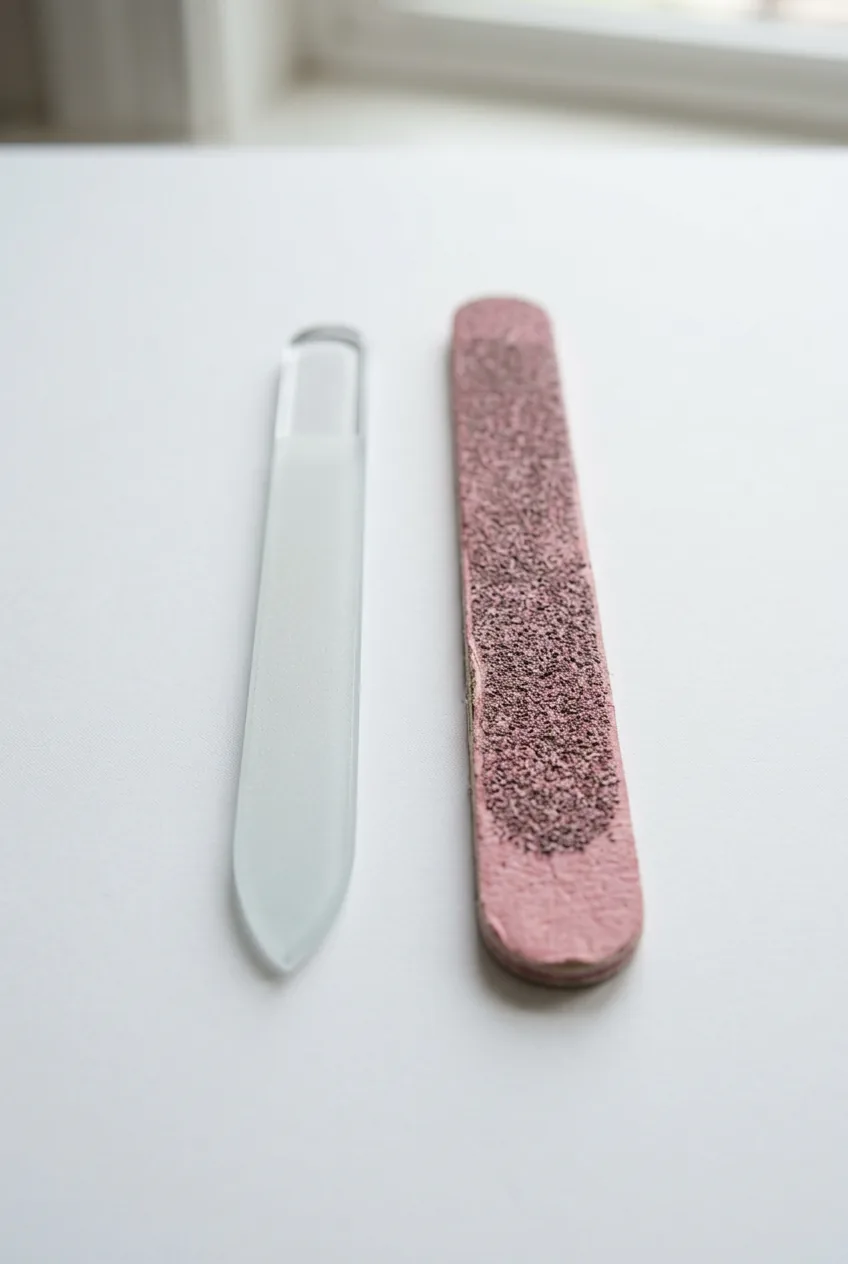
For metal files, I like the cushioned ones — they have a thin foam layer that prevents over-filing. The completely rigid metal files are too harsh for most people.
If budget is tight, get one really good 180/240 grit file instead of a whole set of cheap ones. You’ll get better results and it’ll last longer. I’d rather have one tool that works perfectly than five that work poorly.
When to Use It (And When Not To)
Square nails aren’t right for every situation, and your file won’t magically fix that.
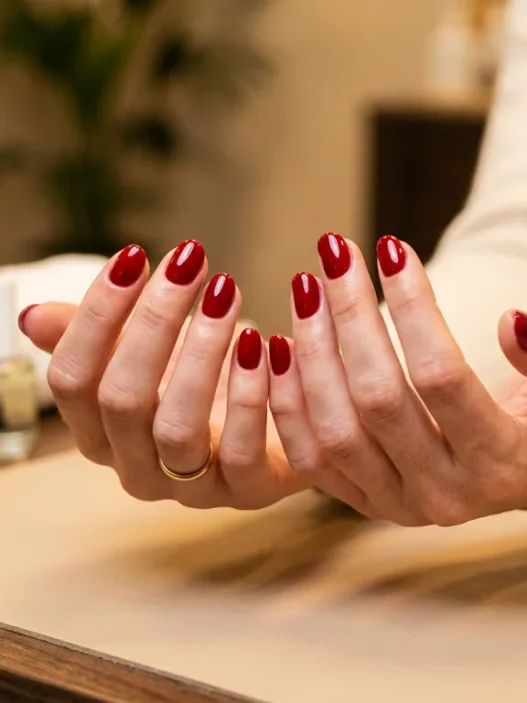
Don’t attempt perfect squares if your nails are weak or prone to breaking. The sharp corners create stress points that will snap under pressure. In that case, I recommend effortless minimalist nails with slightly rounded corners.
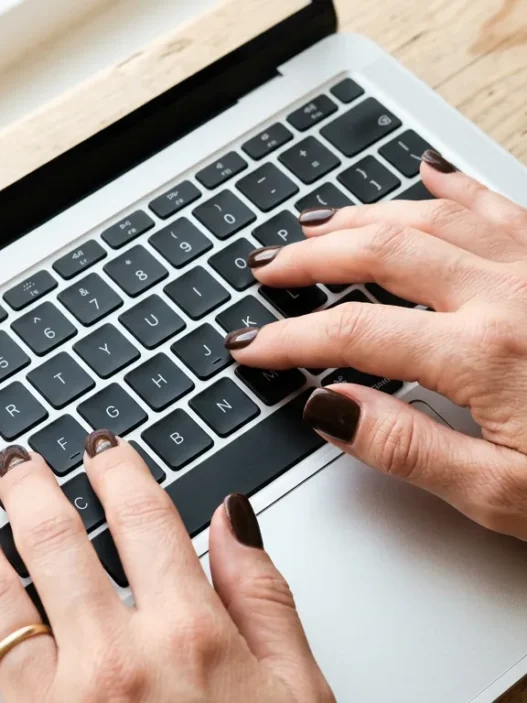
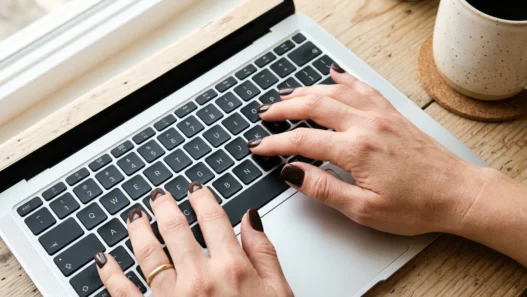
Also, if you’re someone who types all day or works with your hands, true squares might not be practical. I learned this when I kept catching my corners on everything and chipping within hours.
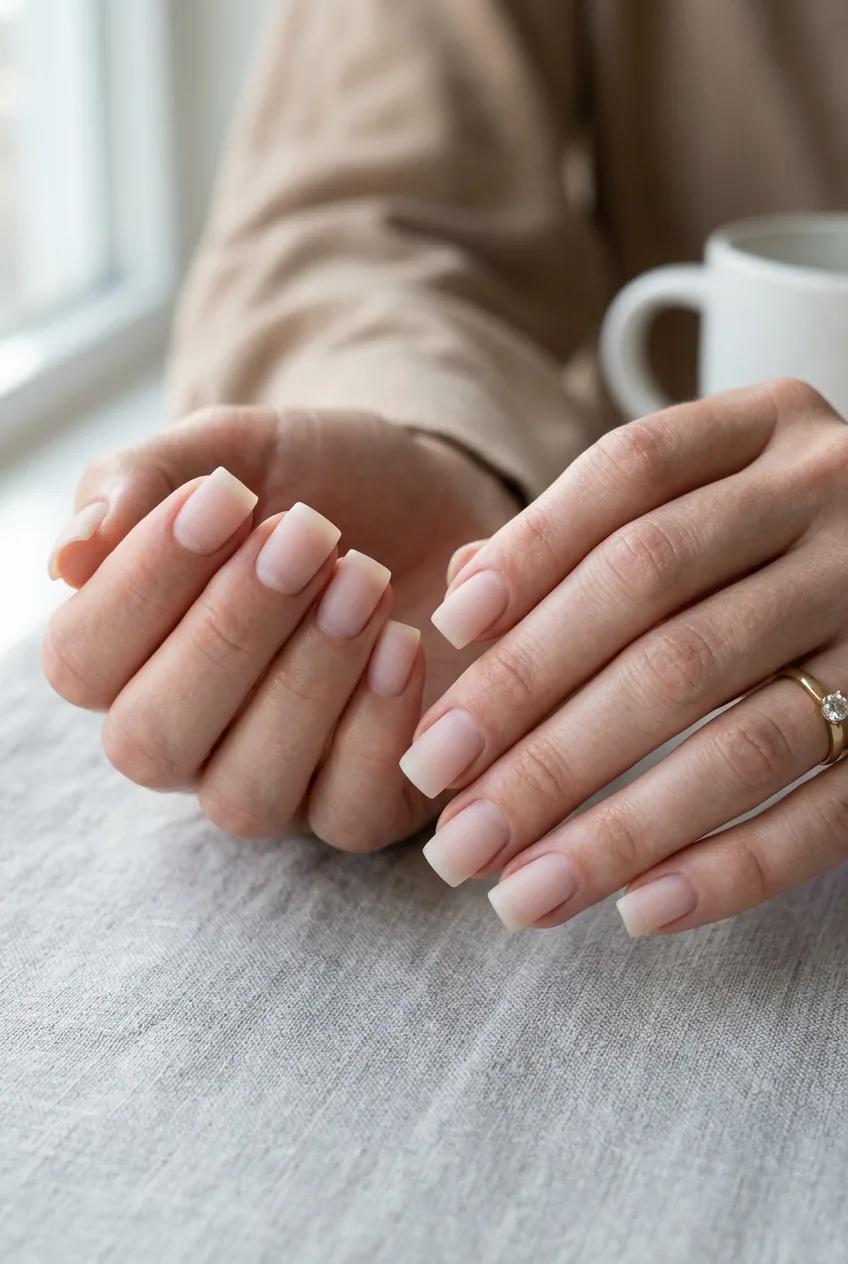
The best time to file square is when your nails are medium length — long enough to support the shape but not so long that they become impractical. On short nails, squares can look stubby. On very long nails, they become fragile.
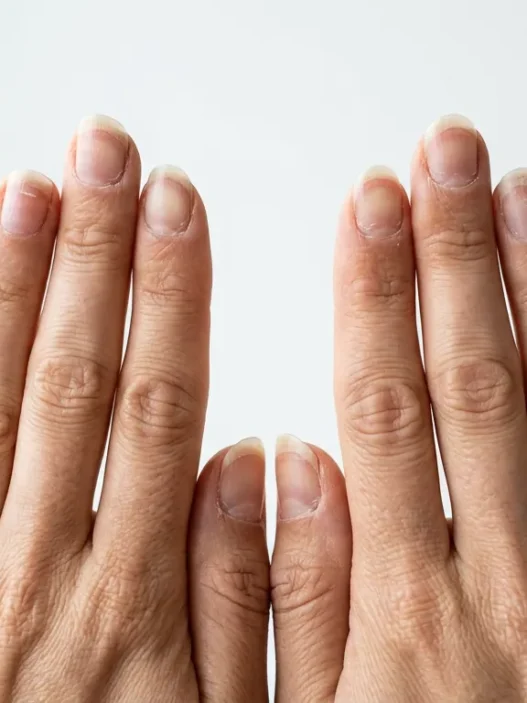
And never file into a square shape if you’re trying to grow your nails out. The corners will break before you gain length. Start with a rounded shape and gradually file more square as they get longer.
Quick Questions About Filing Square
How often should I file my square nails?
I touch up the shape every 5-7 days, but only do a full reshape every 2-3 weeks. Daily filing weakens the nail plate.
Can I file squares on short nails?
Yes, but keep the corners slightly soft. True sharp corners on short nails look harsh and break easily.
What grit is best for square nails?
Start with 180 for shaping, finish with 240. Anything coarser creates rough edges that chip.
Why do my square corners keep breaking?
Usually because the corners are too sharp or the nails are too long for your lifestyle. Try slightly rounded corners instead.
Now I can file a perfect square shape in about two minutes per hand, and the corners actually last. The difference isn’t in the technique as much as understanding what the file is actually doing to your nail. Once you get that part right, everything else falls into place.