






I was scrolling through old nail magazines from my collection last week — yes, I keep them all — when something stopped me cold. A 1994 January spread featuring “New Year, New Nails” with exactly three color options: classic red, nude pink, and “daring” burgundy. That’s it. Three choices for an entire month.
Compare that to what I see on my Instagram feed now in January 2026. Snowflake chrome that shifts from silver to blue. Matte winter florals against glossy backgrounds. Abstract “frozen lake” designs that somehow capture actual ice formations. When did January nails become so… complex?
The truth is, our relationship with January manicures has undergone a quiet revolution. What started as simple seasonal color swaps has evolved into full winter storytelling on our fingertips.
How January Nails Transformed
The 90s Era of January Nails
Let me paint you a picture of January 1995. You walked into a nail salon and asked for “something for winter.” The technician would reach for exactly four bottles: deep red, burgundy, maybe a frosted pink if you were feeling adventurous, and clear topcoat. That was the entire winter palette.
The philosophy was simple: January meant covering up. Dark colors to hide the fact that your hands weren’t getting much sun. Conservative shades that worked with winter coats. I remember my mom getting the same burgundy shade every January for five years straight. “It goes with everything,” she’d say, and honestly? She wasn’t wrong.

But here’s what I find fascinating about that era — the restraint was intentional. This wasn’t about lack of options or technology. Nail art existed. Creative designs were happening in alternative circles. The mainstream January nail was deliberately understated because winter beauty meant pulling back, not pushing forward.
The shapes were as predictable as the colors. Short, rounded, practical. No stilettos in January 1997 — you needed nails that could handle winter gloves and wouldn’t snag on wool sweaters.
The 2000s Reaction
Then 2001 happened, and everything shifted. Not just culturally — though that mattered — but technically. Gel formulas got better. UV lamps became standard. Suddenly, January nails could last three weeks instead of three days.
I remember the first time I saw someone wearing white nails in January 2003. White! In winter! My brain couldn’t process it. “That’s for summer,” I thought, completely stuck in the old mindset. But she paired it with this chunky silver glitter accent nail, and suddenly winter white made perfect sense.
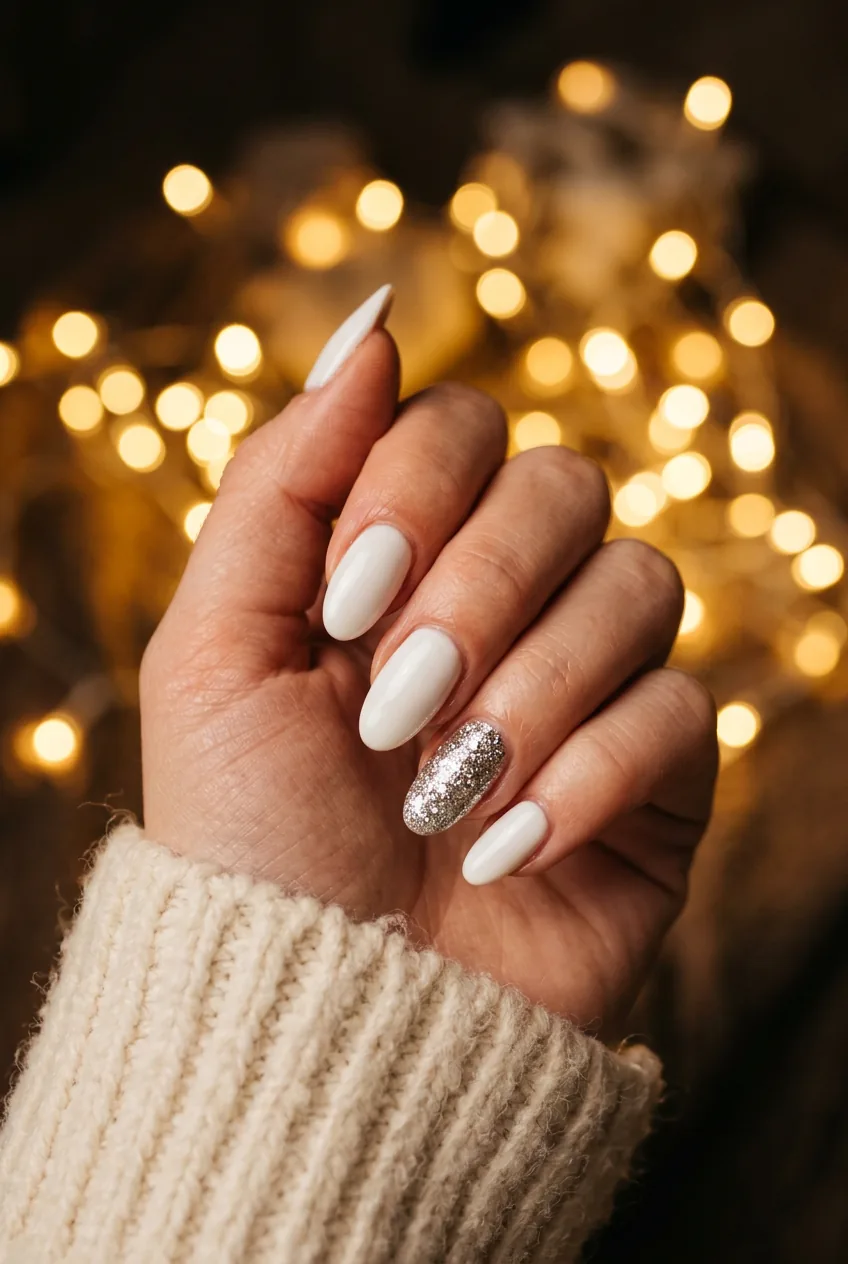
This decade gave us our first taste of January nails as statement pieces. The length crept longer. French manicures got colored tips instead of white. And — this still makes me laugh — everyone discovered that one accent nail could transform an entire look.
But the real game-changer was celebrity influence. When Jennifer Lopez showed up to the 2005 Golden Globes with those incredible stiletto nails in deep plum, it wasn’t just a red carpet moment. It was permission. Permission to make January nails dramatic instead of safe.
The colors opened up too. Metallics became acceptable. Deep purples and navy blues entered the rotation. January 2008 was the first time I remember seeing someone successfully pull off black nails in a corporate environment. The rules were dissolving.
The 2010s Resurgence
If the 2000s gave us permission to experiment, the 2010s gave us the tools to execute. Instagram launched in 2010, and within two years, nail art tutorials were everywhere. Pinterest followed, creating endless inspiration boards dedicated to seasonal manicures.
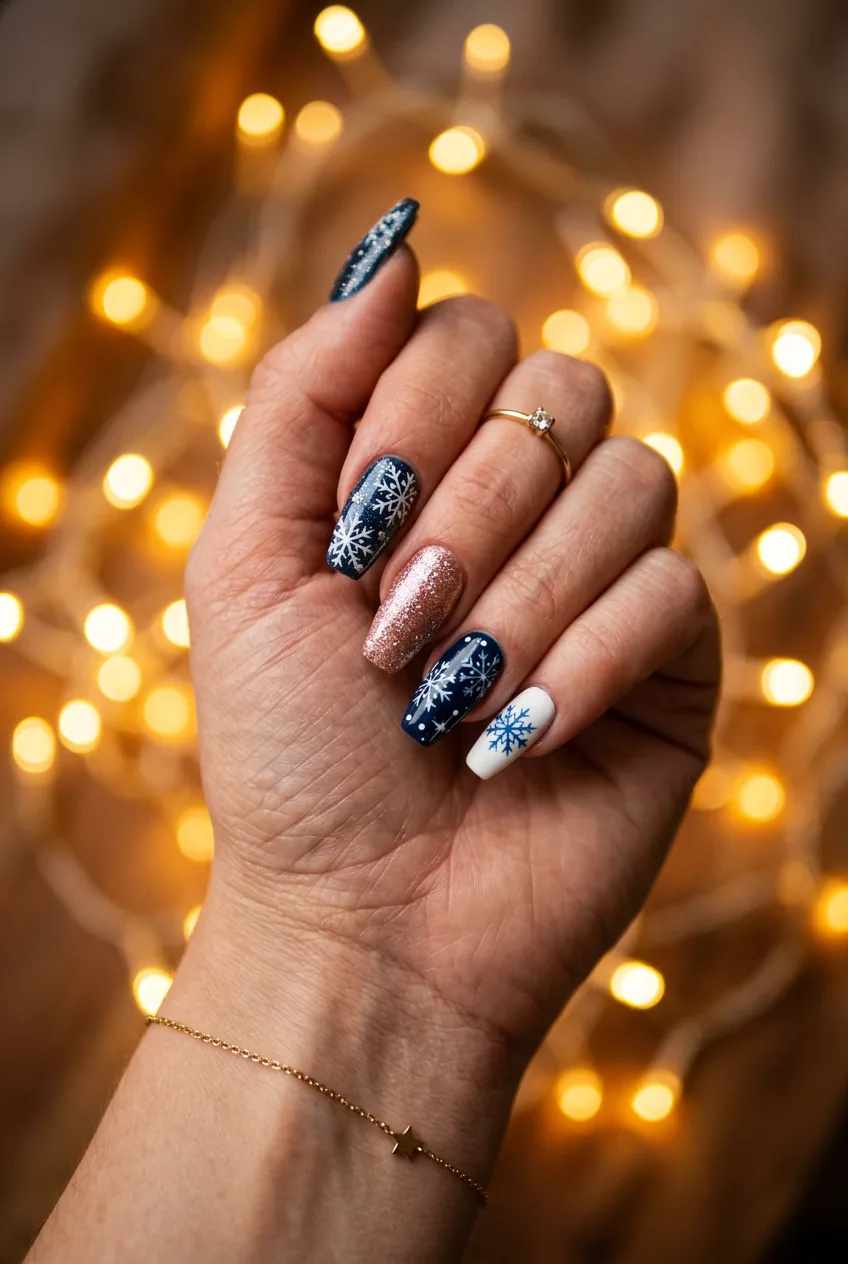
Suddenly, January nails weren’t just about color — they were about concepts. “Winter wonderland” became a legitimate nail art category. I started seeing things like tiny painted snowflakes that would have taken salon technicians hours to execute in 1995, now done at home with dotting tools and YouTube guidance.
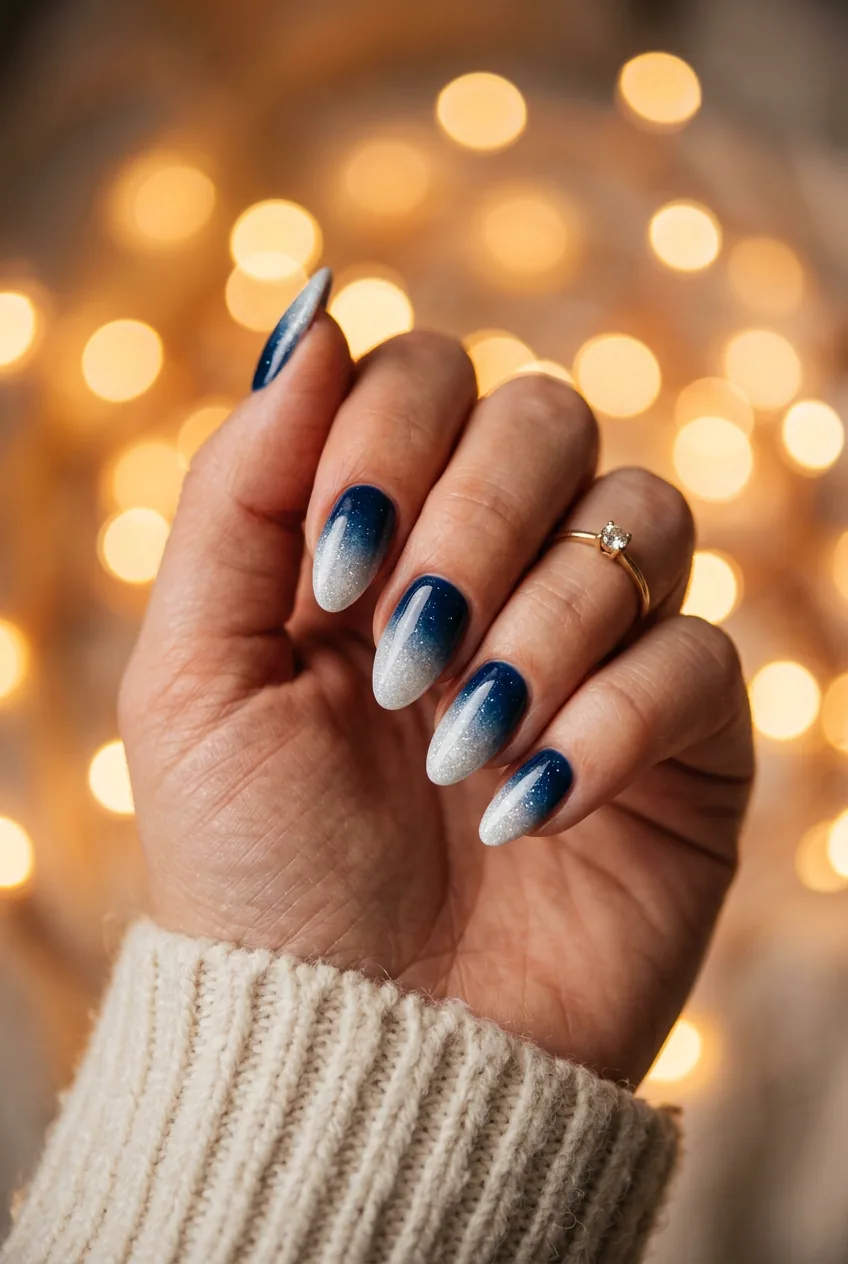
The ombré trend hit January nails hard around 2014. Those gradient blues that started deep navy at the cuticle and faded to ice white at the tips? Revolutionary. It captured the essence of winter weather in a way that solid colors never could.
But here’s where I have to admit something controversial: I think we overcomplicated things mid-decade. Around 2016-2017, January nail art became so intricate that it lost some magic. When every nail needed three different techniques, two types of glitter, and hand-painted details, the elegance got buried under the execution.
The shapes got extreme too. Coffin nails dominated, which looked incredible but weren’t exactly practical for winter activities. I watched friends struggle to put on gloves with 2-inch extensions, and honestly? Sometimes practicality matters.
Where We Are Now
January 2026 feels like we’ve found our balance. The technical skill from the 2010s is still here, but it’s serving a more sophisticated vision. I’m seeing what I call “winter minimalism” — designs that capture seasonal feelings without overwhelming the canvas.
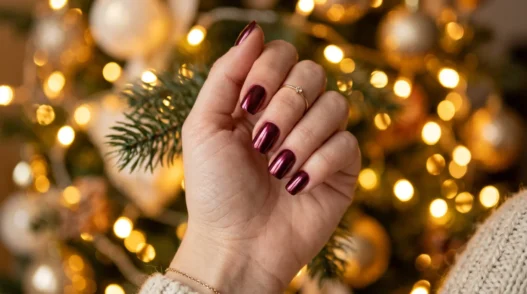
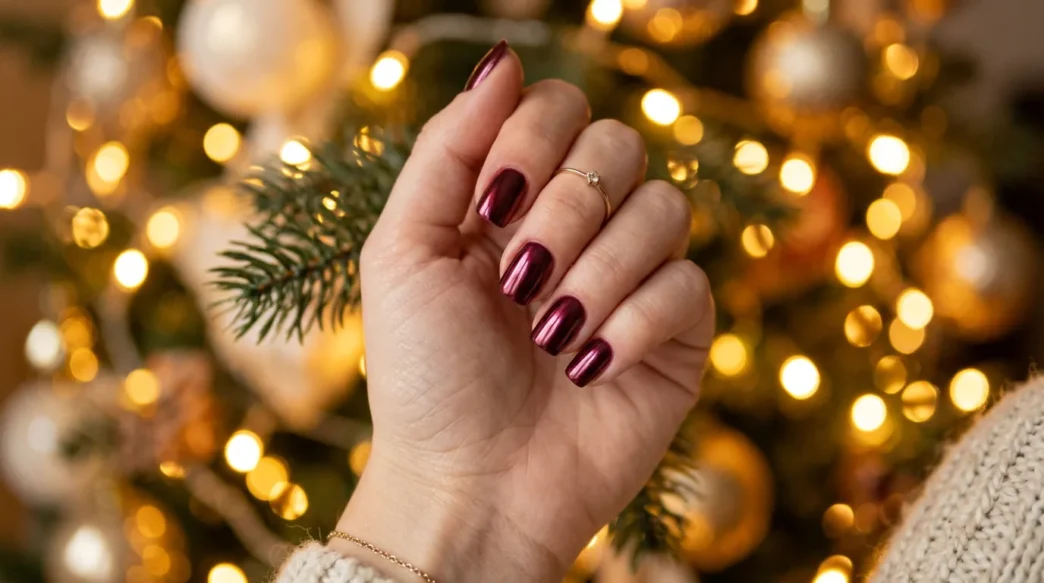
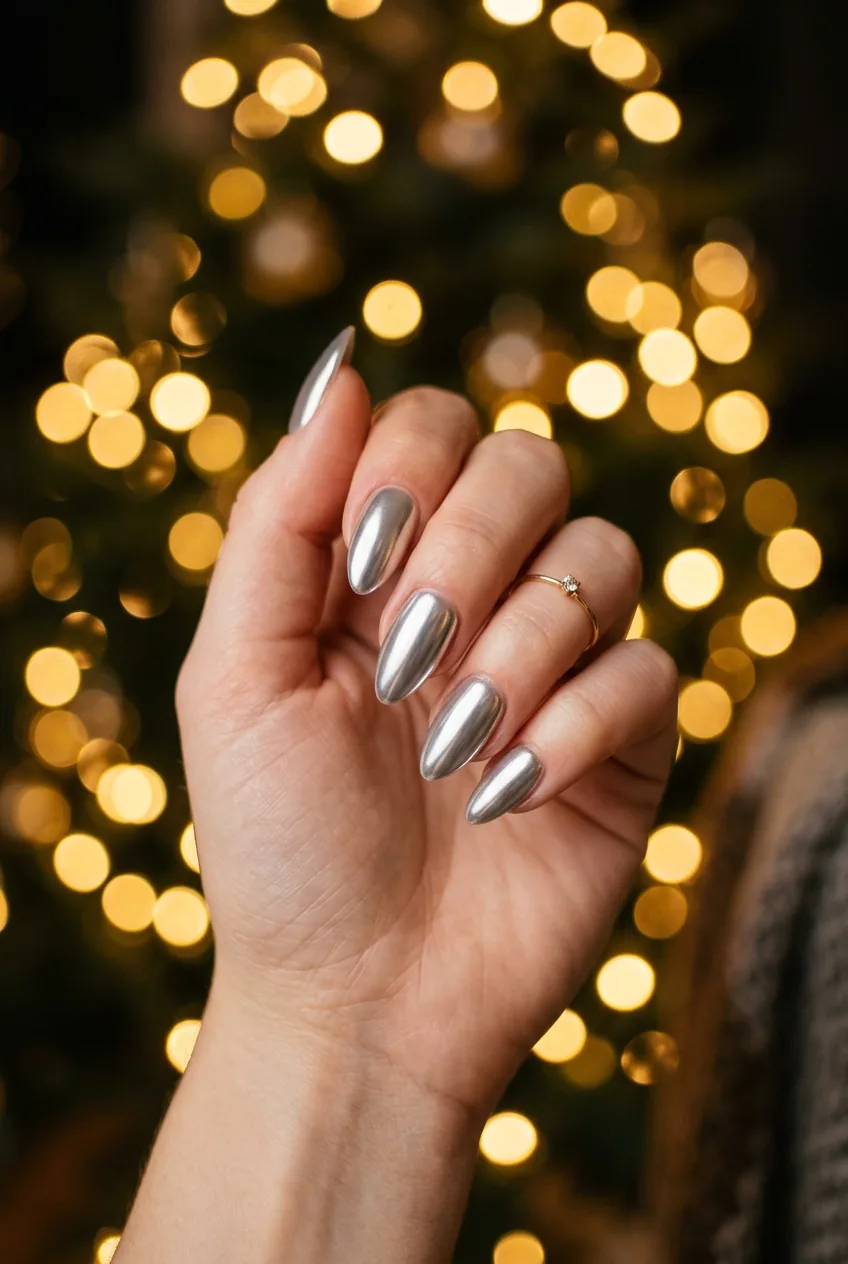
Take chrome finishes, for example. The mirror-like reflection naturally evokes ice and snow, but in a way that feels modern, not literal. No tiny painted snowflakes required. The nail itself becomes the winter statement.
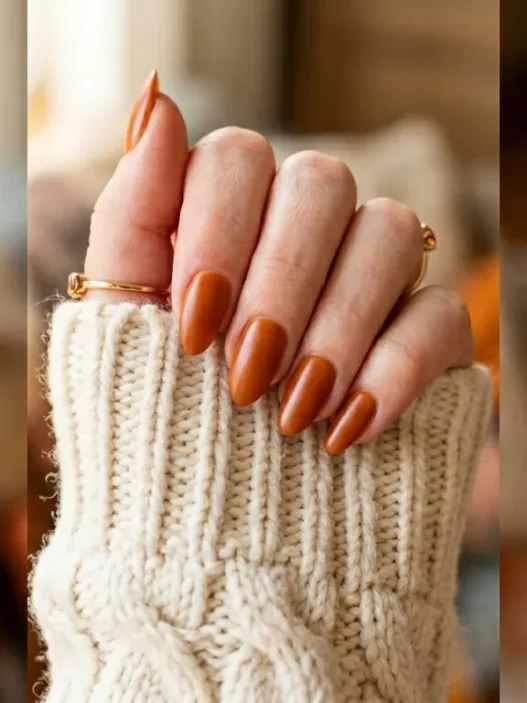
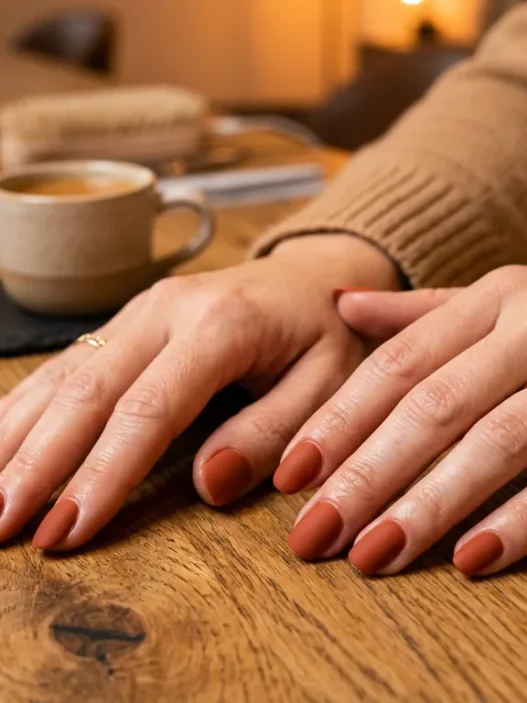
The color palette has expanded beyond recognition. Sage greens that somehow feel wintery. Warm terracottas that work against snow. Even those spring-inspired shades are finding their way into January looks when balanced with winter textures.
But what I love most about current January nails is the storytelling aspect. Instead of just picking “winter colors,” people are creating complete seasonal narratives. I’ve seen manicures that tell the story of a winter morning — from deep night blues at the base to sunrise pinks at the tips.
The shapes have matured too. We’re seeing more almond and oval shapes that give length without sacrificing functionality. You can wear gloves, type on keyboards, and still have nails that photograph beautifully.
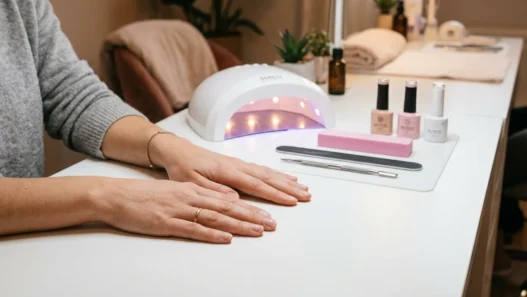
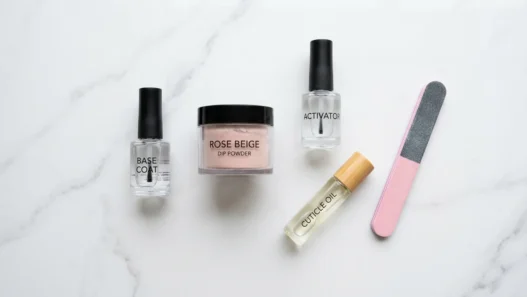
And the longevity! Current gel and dip powder formulas mean these elaborate January designs actually last through the month. No more week-two chip disasters that made you question your nail art investment.
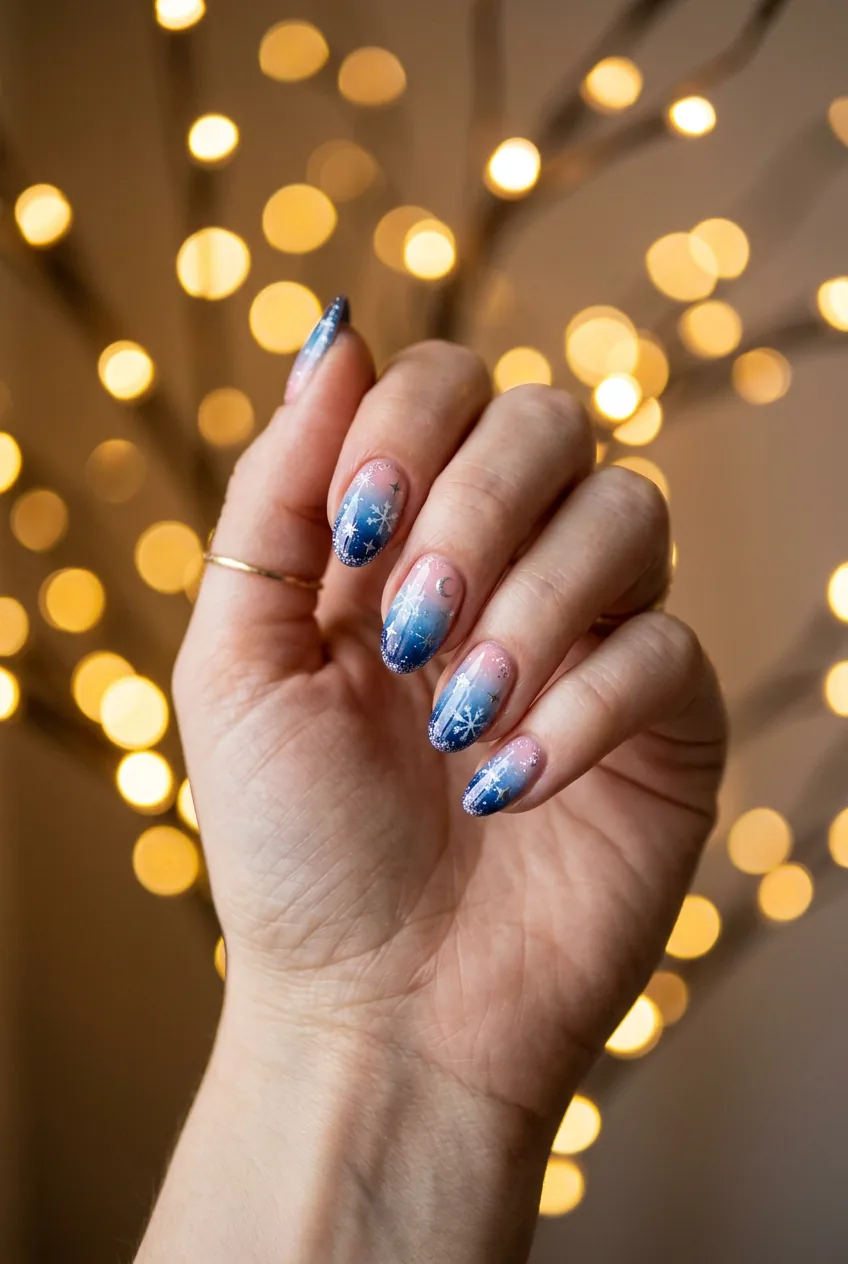
What strikes me most is how personal January nails have become. In the 90s, everyone had the same burgundy. Now, your January manicure can reflect your specific winter mood, your holiday experiences, your resolution mindset. It’s democratic in the best way.
The techniques I’m seeing now blend the best of every decade. 90s restraint in composition, 2000s boldness in color choice, 2010s technical execution, but with 2020s emotional intelligence. Modern application methods have never been more sophisticated yet accessible.
See the Evolution in Motion
Questions I Get About This
Are January nails harder to maintain in winter weather?
Actually, modern formulas handle cold weather better than the old lacquers did. Gel and dip powder don’t chip from temperature changes like traditional polish. Just moisturize your cuticles religiously — winter air is brutal.
Do winter nail designs cost more than simple colors?
Complex nail art definitely costs more upfront, but it lasts 3-4 weeks compared to weekly touch-ups with regular polish. When I factor in longevity, elaborate January nails often cost less per day than simple manicures.
Can you do sophisticated January nails at home?
Absolutely. Start with quality base and topcoat, invest in a few good brushes, and practice gradient techniques. YouTube tutorials for free-hand nail art will teach you everything you need to know.
What’s the biggest mistake people make with January nails?
Overthinking it. The most stunning January manicures I see focus on one strong element — amazing color, perfect shape, or subtle texture — rather than trying to incorporate every winter trend at once.
Looking back through those old magazines, I realize we’ve gained something beautiful in this evolution. January nails aren’t just about surviving winter anymore — they’re about celebrating it. And honestly? I think that’s a change worth keeping.