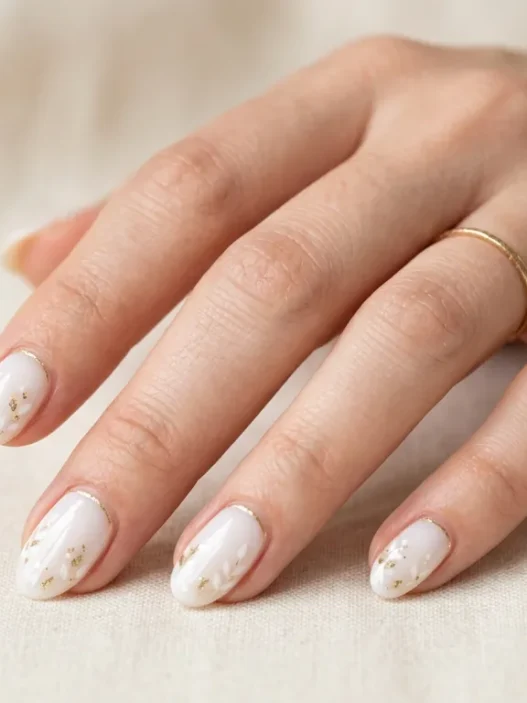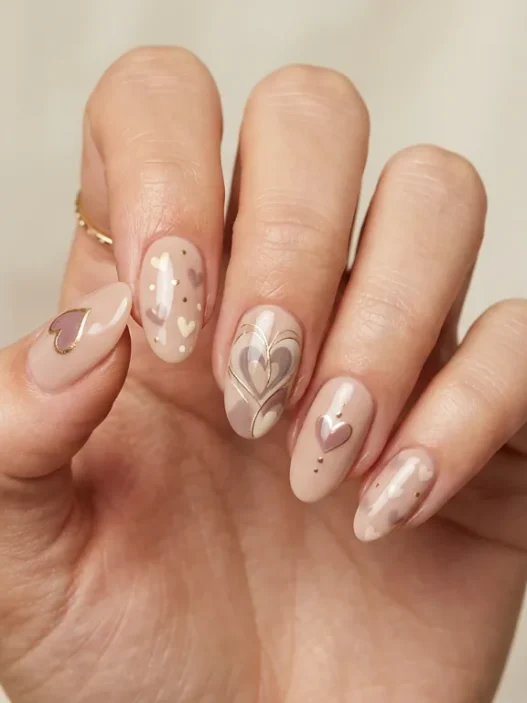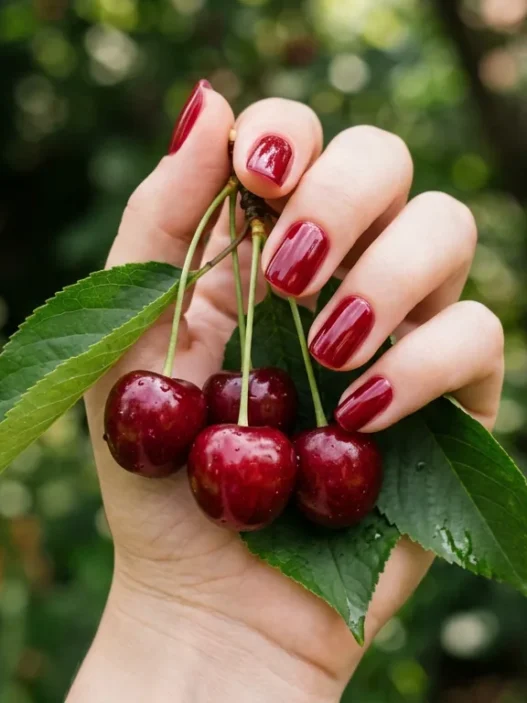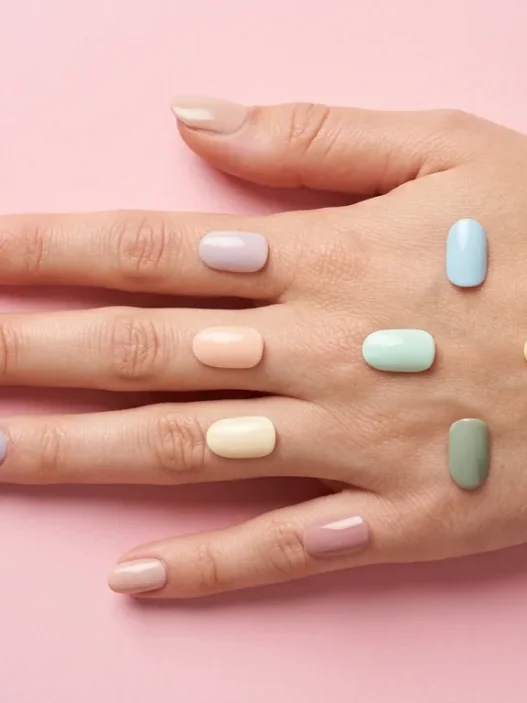






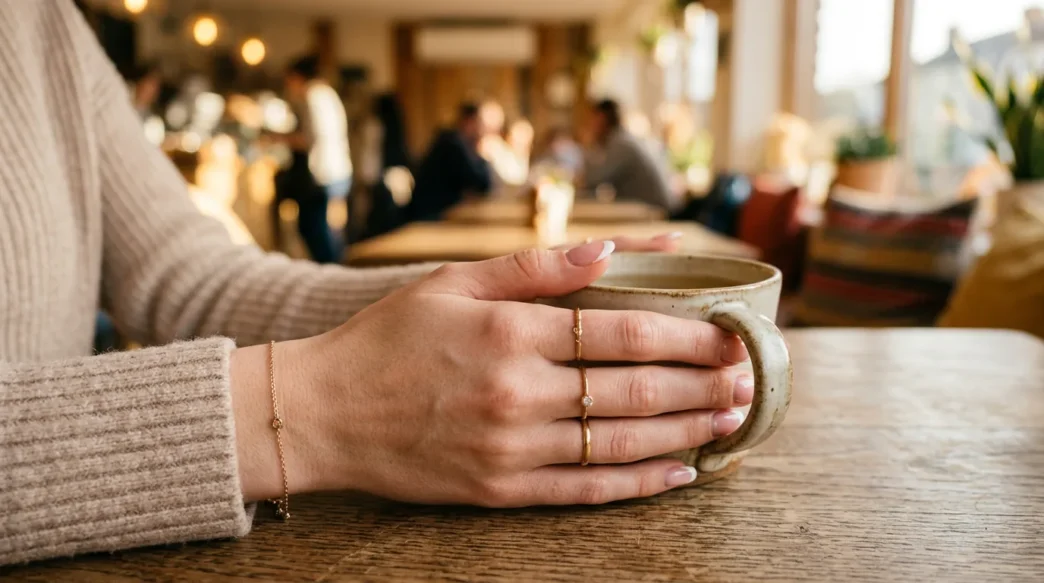
I used to roll my eyes whenever someone mentioned french tip nails. They screamed “2005 prom” to me — predictable, stuffy, and about as exciting as beige wallpaper. For years, I stuck to my bold reds and experimental nail art, convinced that french tips were the enemy of everything creative about nail design. Then my nail tech casually suggested trying “something different” during what I thought would be my usual cherry red appointment.
What You’ll Find in This Post
Why I Was Against French Tips
Let me paint you a picture of my french tip prejudice. Every time I saw them, I thought of those thick, chalky white tips from the early 2000s — you know the ones. They looked like someone dipped their nails in correction fluid and called it a day.
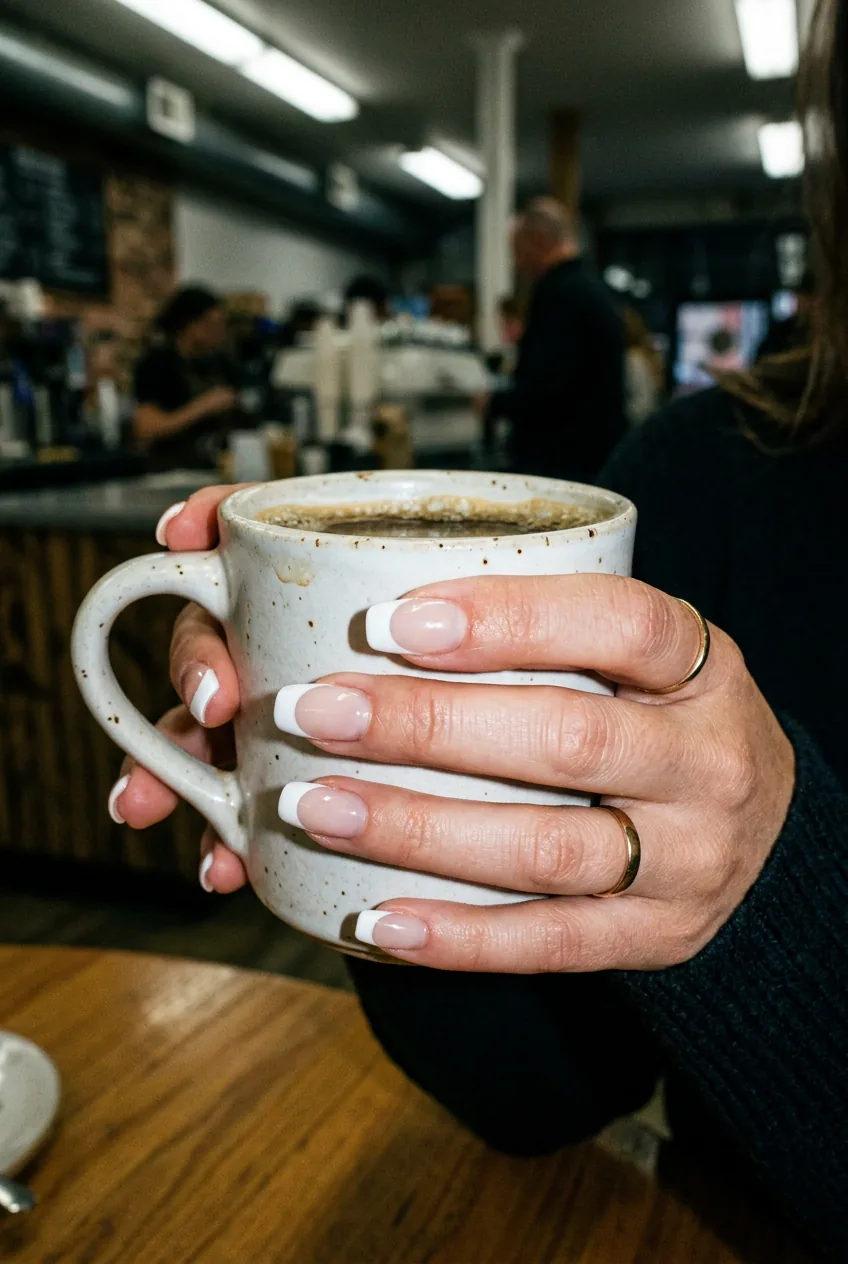
The whole aesthetic felt so… corporate. Like something you’d wear to blend in at a job interview, not something that expressed any personality. I was all about making statements with my nails. Give me a deep burgundy that looked almost black in certain light, or a electric blue that made people do double-takes. French tips felt like giving up on having fun with color.
And don’t even get me started on the maintenance. I watched friends stress about their french tips chipping at the slightest touch. They’d walk around with their hands curled into careful fists, afraid to actually use their fingers. What’s the point of pretty nails if you can’t live your life?
But my biggest issue? They seemed so… expected. Walk into any nail salon in America and french tips would be plastered on every inspiration board. Where was the creativity? Where was the personal expression? I wanted nails that told people something about who I was, not nails that said “I play it safe.”
What Made Me Reconsider
The shift started when I noticed younger women on Instagram doing something different with french tips. Instead of that stark white line, they were using subtle pinks, barely-there nudes, and even metallic golds. The proportions looked different too — thinner tips that felt more delicate and modern.
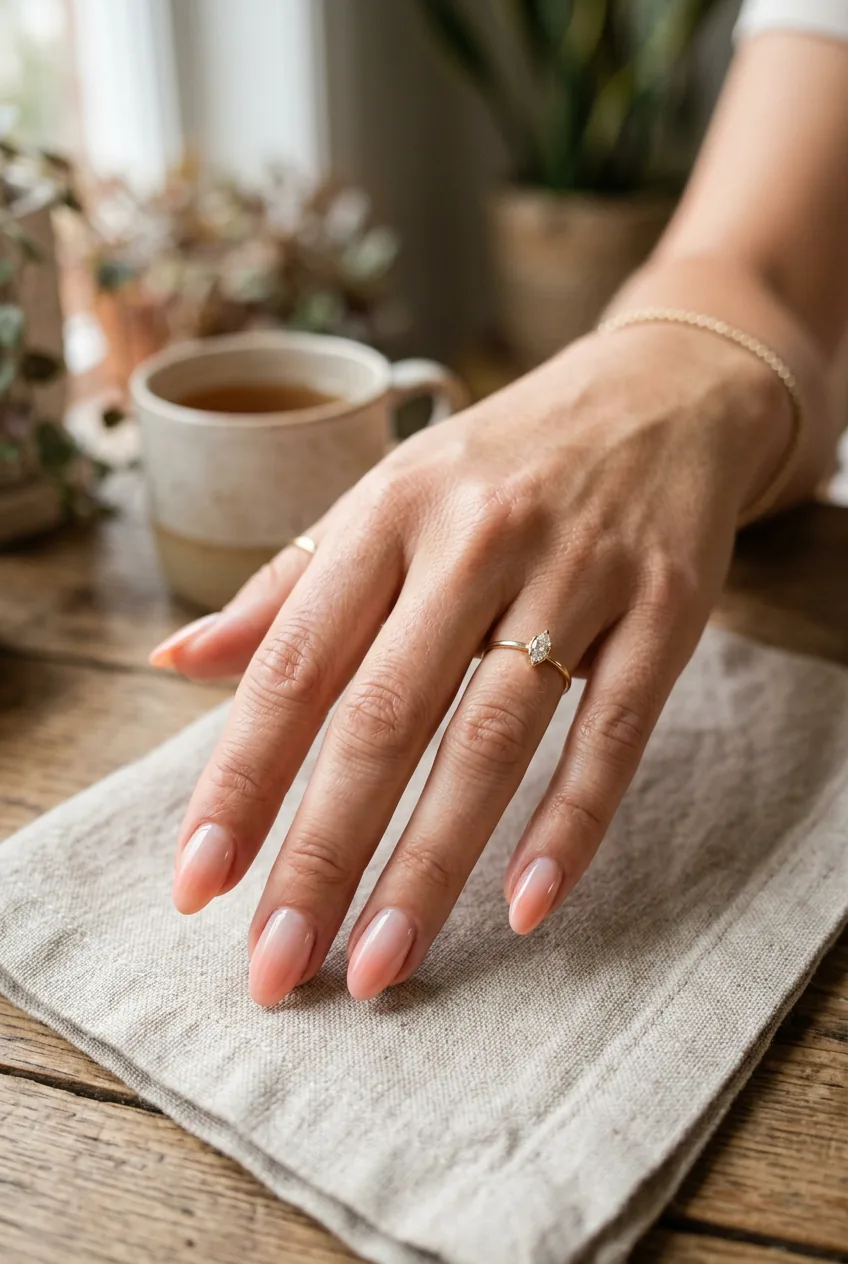
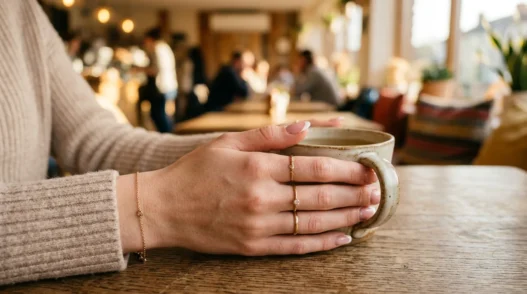
Then I saw a woman at a coffee shop with what looked like french tips from across the room, but when she handed me my change, I realized they were actually a soft peachy-pink gradient. The “tip” wasn’t a harsh line at all — it was this gorgeous fade that made her natural nail beds look like they were glowing from within.
That same week, my nail tech Maya showed me photos of what nail science tells us about french tip manicures and how modern techniques could create effects I’d never seen before. She explained how the classic french tip was actually inspired by natural nail growth patterns, but that contemporary artists were taking that concept in completely new directions.
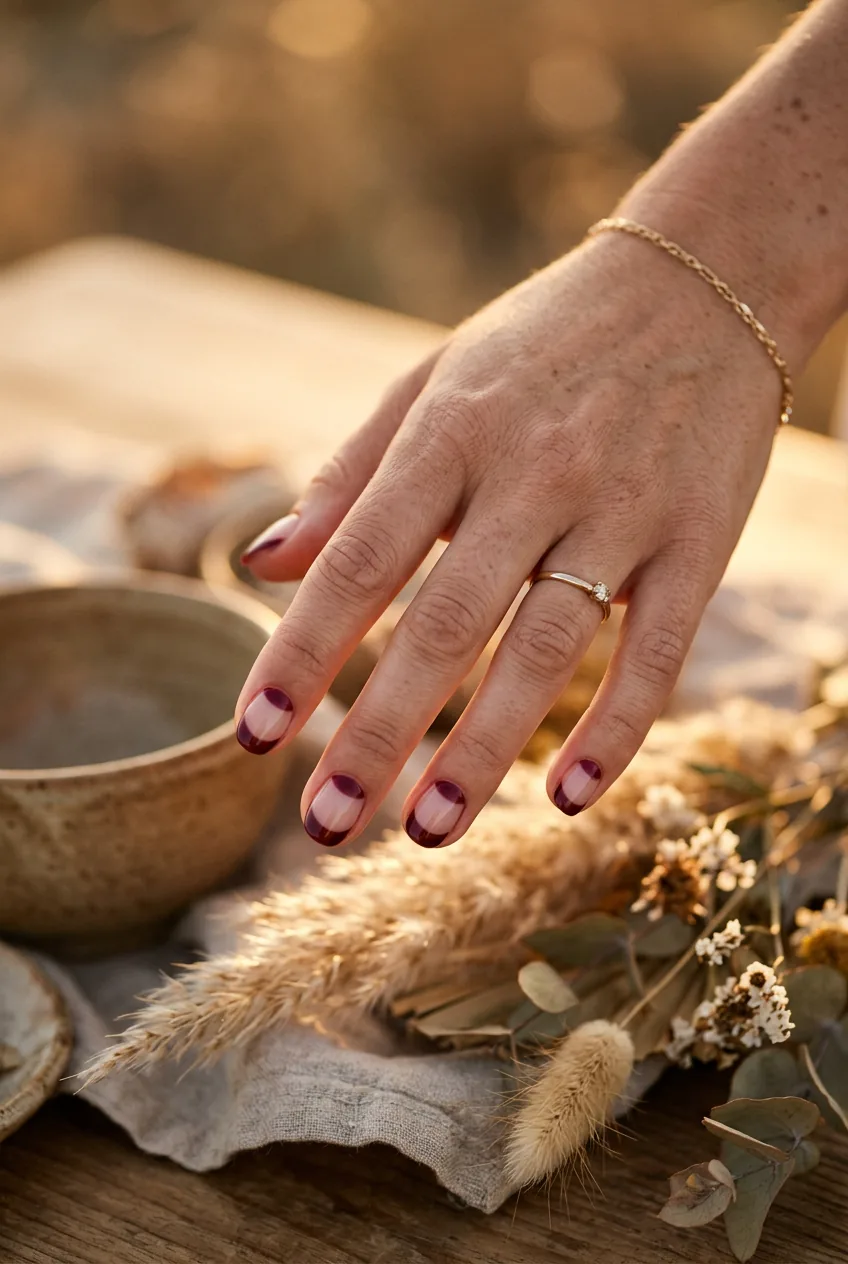
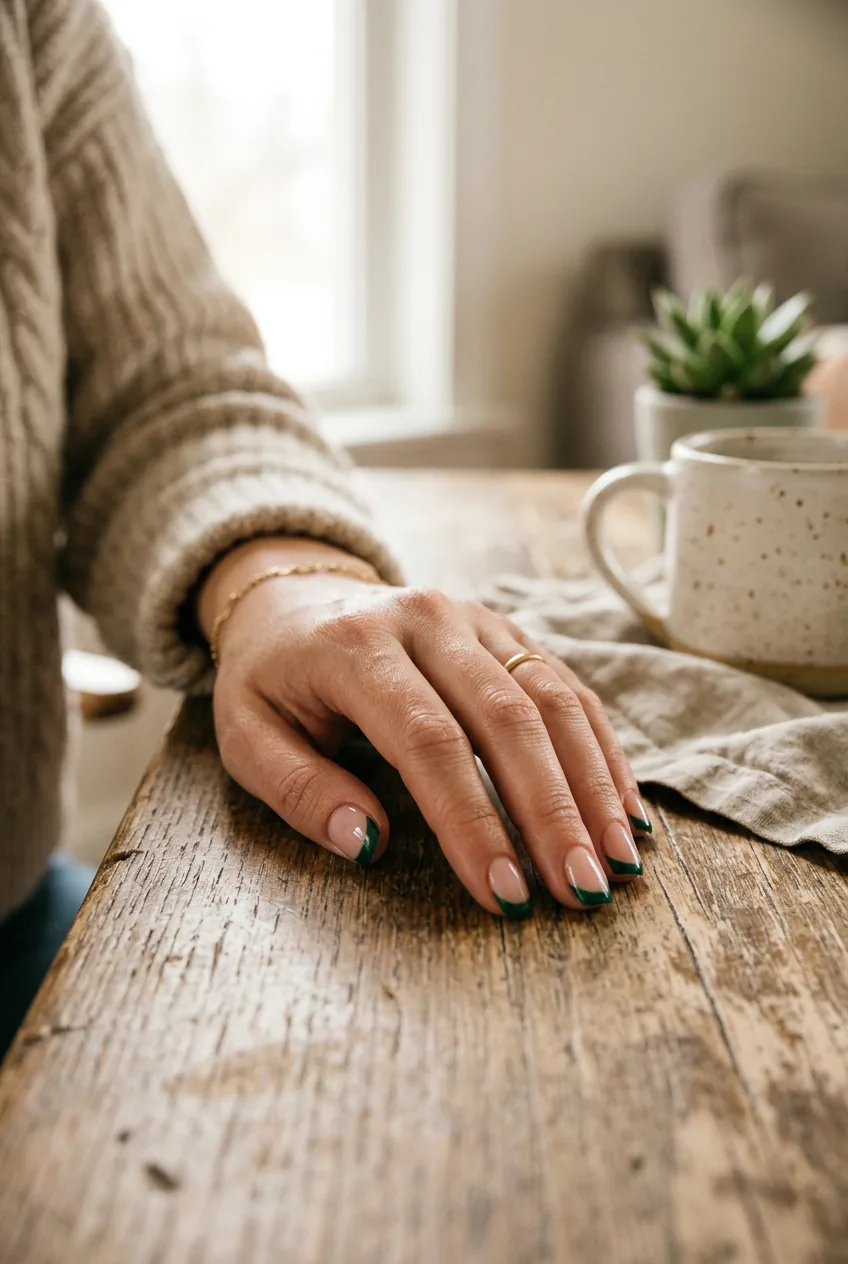
“What if we did a french tip, but made it actually suit your style?” she asked during one appointment. I was intrigued despite myself. She pulled out photos of reverse french tips, where the color was at the base instead of the tip, and colored french tips in deep burgundies and forest greens that looked nothing like the boring whites I’d been avoiding.
The First Time I Tried It
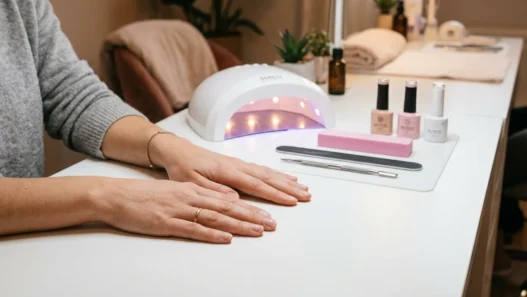
Maya convinced me to try a “baby french” — essentially french tips for people who hate french tips. Instead of bright white, she used a color just one shade lighter than my natural nail. The tip was barely there, maybe 2mm instead of the chunky 5mm tips I associated with the style.
I’ll admit, sitting in that chair watching her work, I was nervous I’d hate it. But as she shaped each nail with these impossibly thin, precise tips, something clicked. They looked… elegant? Natural? Like my nails but somehow more polished and intentional.
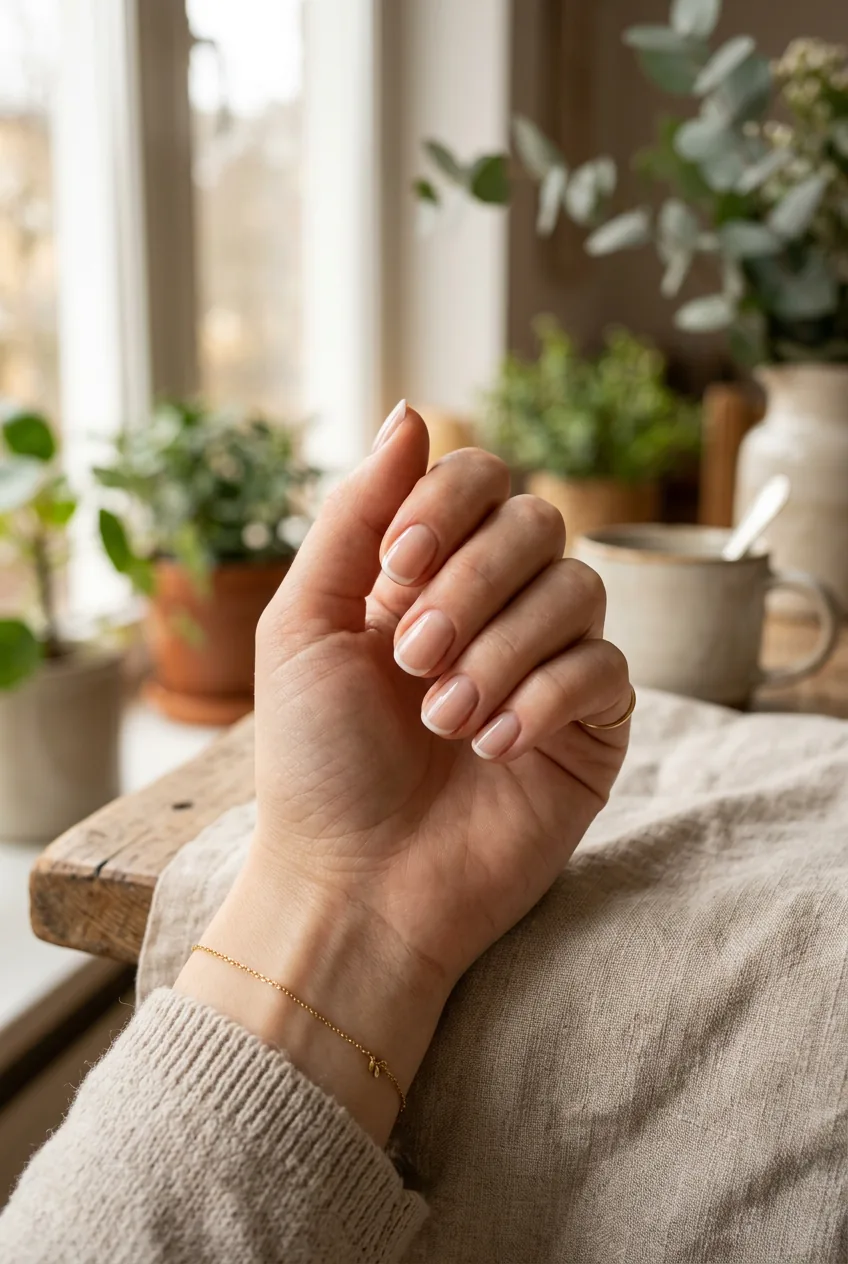
The real test came when I got home and looked at my hands in different lighting. Under fluorescents at work, they looked professional but not boring. In golden hour light streaming through my bedroom window, they had this subtle sophistication that I’d never achieved with my usual bold colors. They made my fingers look longer and my nail beds healthier.
But here’s what really sold me: I caught myself gesturing more naturally. With bright red nails, I was always conscious of my hands — in a good way, but still conscious. With these subtle french tips, my hands just felt like… better versions of themselves.
Two weeks later, I was back in Maya’s chair asking about colored french tips. We tried a deep forest green tip with my natural pink base, and suddenly I understood how this classic technique could be a canvas for creativity instead of a limitation.
Watch the Technique That Won Me Over
Why I’m Still Wearing Them
Six months later, I’m officially a french tip convert. But not in the way I expected. I’m not walking around with traditional white tips — instead, I’ve discovered this whole world of variations that feel completely modern and personal.
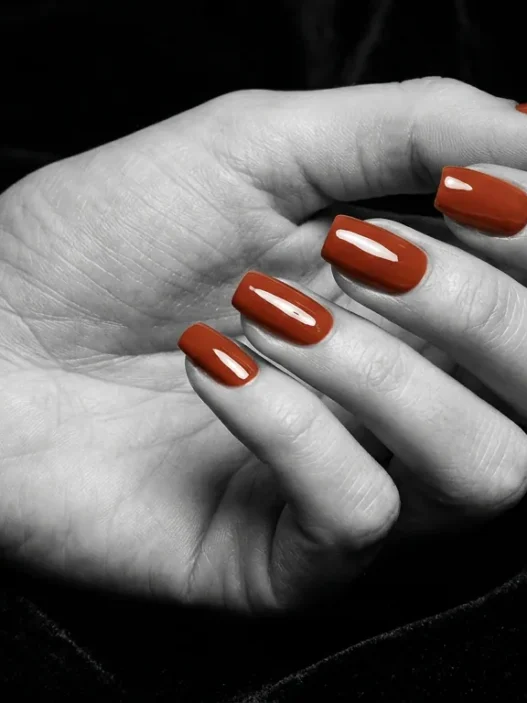
My current favorites? Reverse french tips in deep burgundy (similar to the red nails color I always come back to), where the color starts at my cuticle and fades toward the tip. And gradient french tips where the “line” isn’t really a line at all, just a soft color transition that changes in different light.
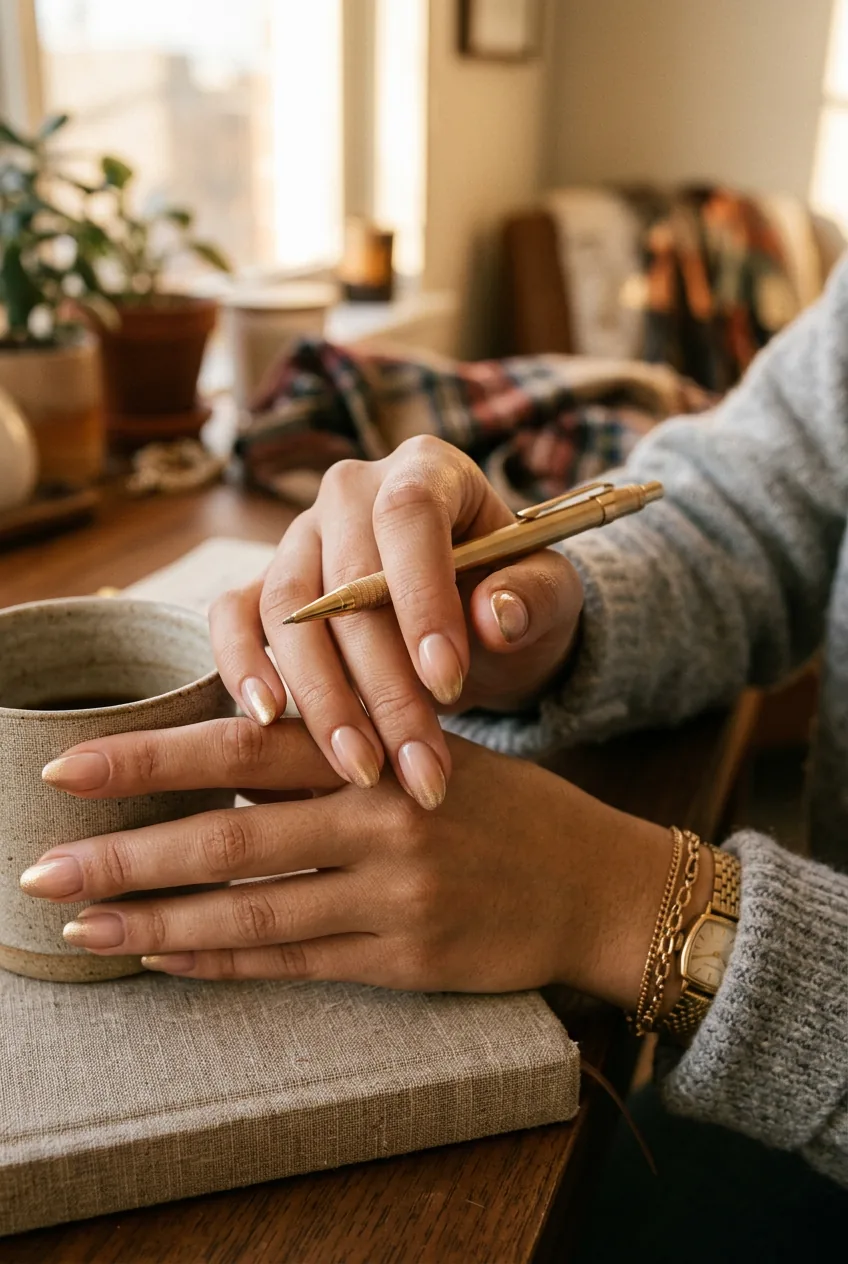
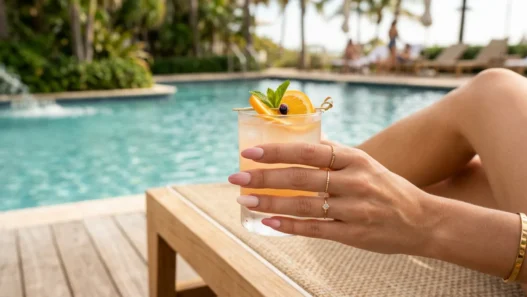
What I love most is how versatile they are. I can do a barely-there nude french for work presentations, then switch to metallic gold tips for weekend dinners. The shape works beautifully on almond nails too, which is my preferred length these days.
And that maintenance issue I was so worried about? Modern application techniques have completely solved that problem. When done properly with quality products, french tips can actually last longer than regular polish because the natural nail growth blends so seamlessly with the design.
I think what really changed my mind was realizing that french tips aren’t about conforming — they’re about enhancement. Instead of covering up my natural nails with bold color, I’m working with what I have and making it look intentionally beautiful. It’s like the difference between wearing a statement necklace and getting the perfect haircut. Both can be gorgeous, but one works with you instead of on top of you.
Plus, Creative nail art ideas have shown me that french tips can be a base for creativity, not an endpoint. I’ve added tiny gold foil accents to my tips, experimented with different opacity levels, and even tried asymmetrical french designs where each nail has a slightly different tip angle.
Questions I Get About This
Do french tips work on short nails?
Absolutely! The key is keeping the tip proportion small — maybe 1-2mm instead of the traditional thick white line. I actually think they look more modern on shorter nails because they enhance your natural nail shape instead of trying to create length that isn’t there.
How long do modern french tips last?
With proper application and good base/top coats, mine typically last 10-14 days before I notice any significant chipping. The gradient styles tend to wear better than hard lines because any small chips blend more naturally with the fade effect.
Can I do french tips at home?
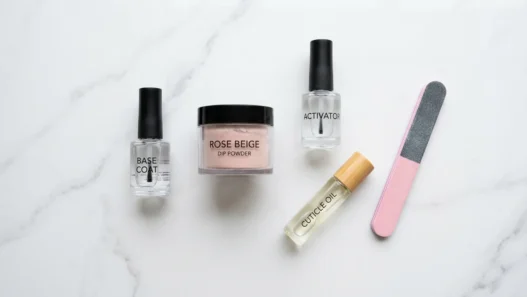
The basic technique isn’t too difficult, especially if you start with nail guides or stickers for clean lines. But honestly, the subtle gradient effects that made me fall in love with french tips are much easier to achieve with professional tools and experience. I’d recommend trying it at a salon first to see what you like.
What’s the difference between classic and modern french tips?
Classic french tips are typically stark white with a defined line and fuller coverage of the nail tip. Modern variations play with color, opacity, gradient effects, and proportion. Think softer transitions, unexpected colors, and tips that complement your skin tone instead of contrasting with it.
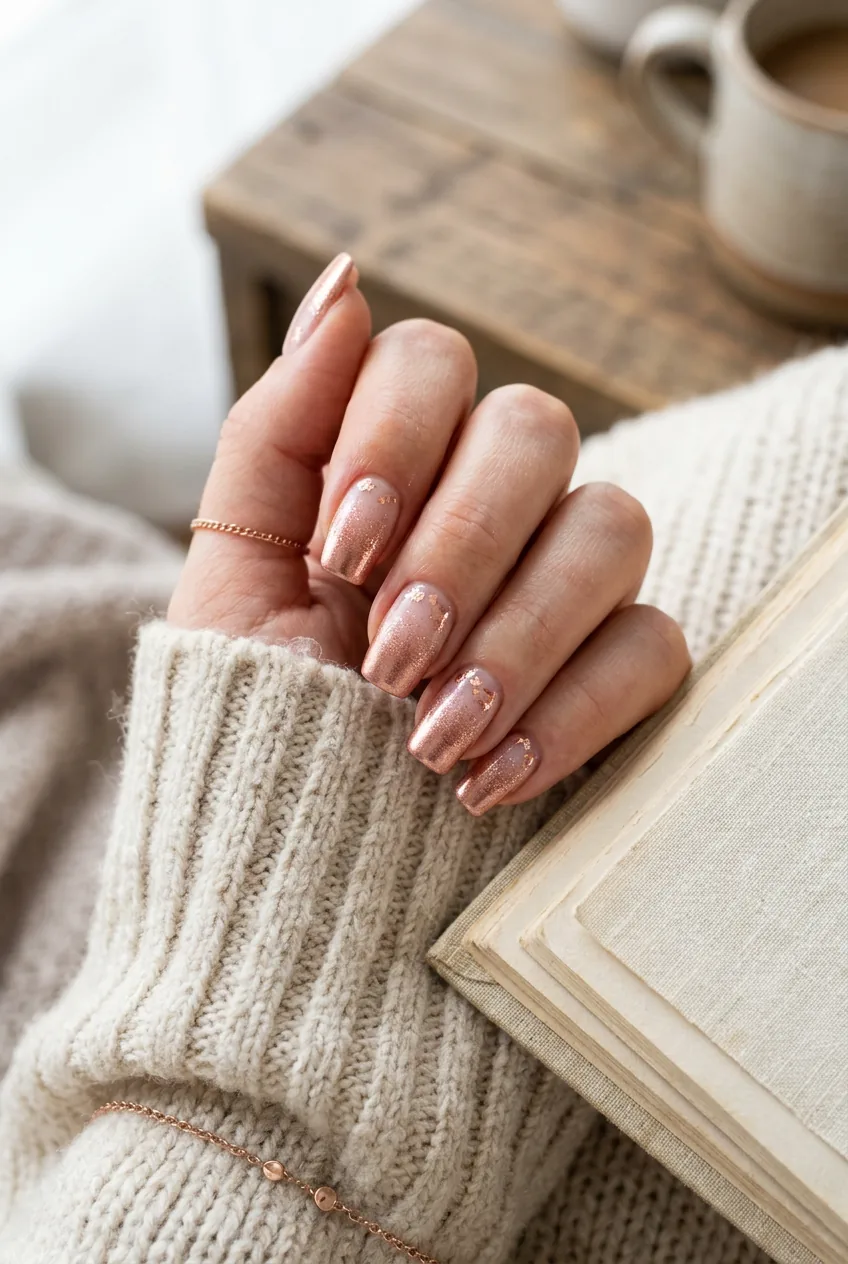
So here I am, the former french tip skeptic, planning my next appointment to try a rose gold gradient design. Sometimes being wrong feels pretty great — especially when it looks this good on your hands.