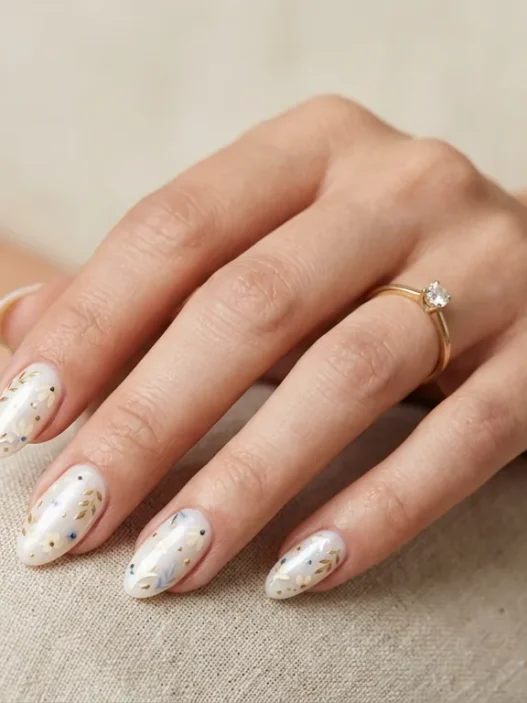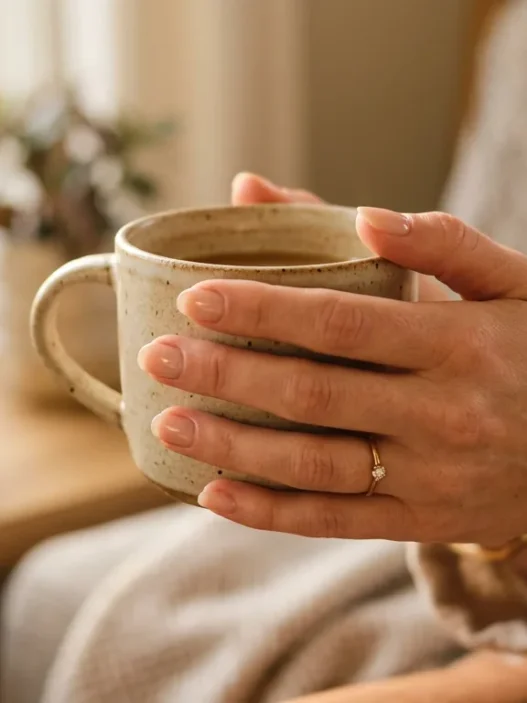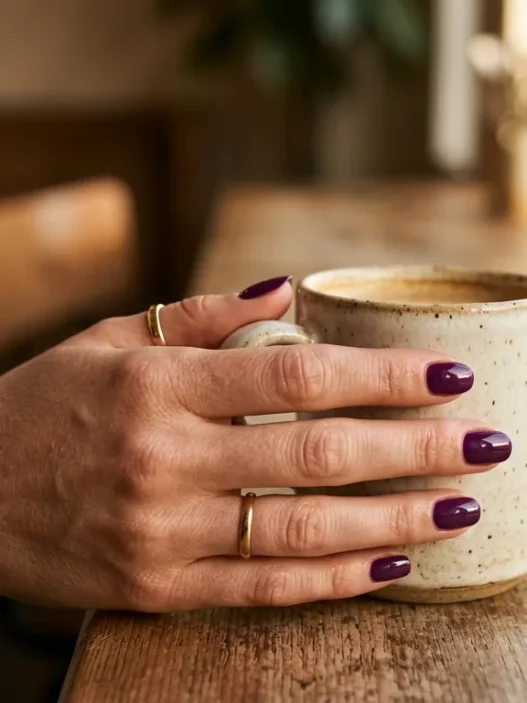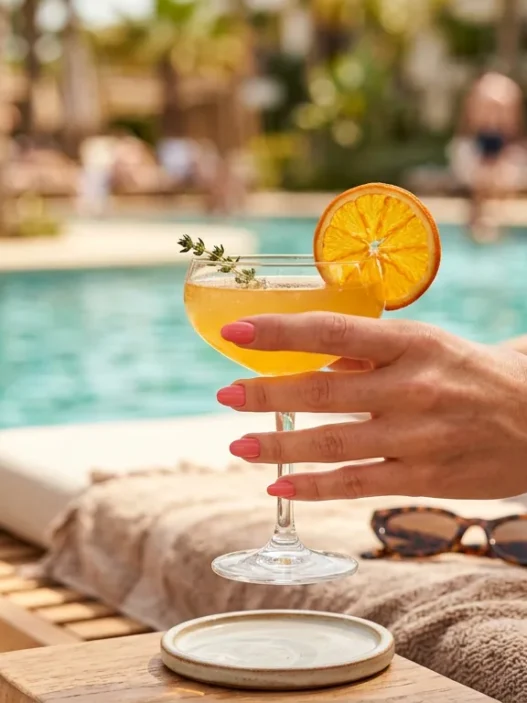






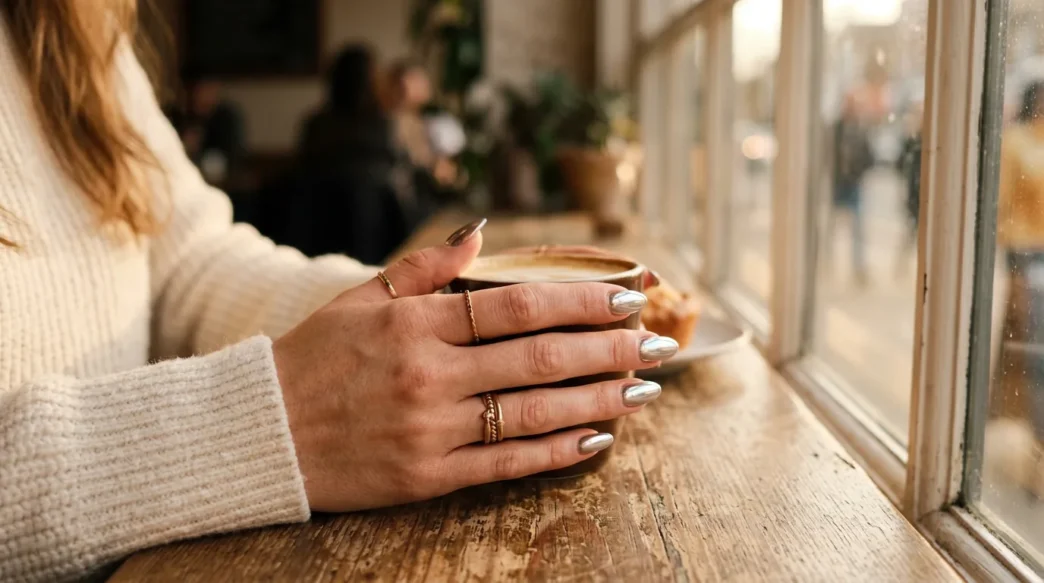
I’ve been tracking nail trends for eight years now, but 2026 feels different. Not because the techniques are revolutionary — they’re not. But because there’s this massive gap between what nail artists post online and what actually happens when you sit in their chair for four hours. Three weeks ago, I walked out of a salon with what looked like perfect chrome nails. By day five, I was picking off chunks during a work meeting.
That’s when I decided to dig deeper. I spent four months testing the biggest 2026 nail trends across different salons, price points, and skill levels. What I found surprised me — and honestly, some of it pissed me off.
Where These 2026 Nail Trends Actually Come From
Everyone thinks nail trends start on Instagram. That’s partially true, but it’s missing the real story. The trends dominating 2026 actually started in three very specific places: Korean beauty tech labs, luxury resort spas, and — this surprised me — medical prosthetics research.
The whole “glass skin nails” movement? That came from Seoul-based companies developing new polymer blends for screen protectors. Someone in their R&D department realized these materials created an insane optical depth when layered thin. Six months later, every nail influencer was calling it revolutionary.
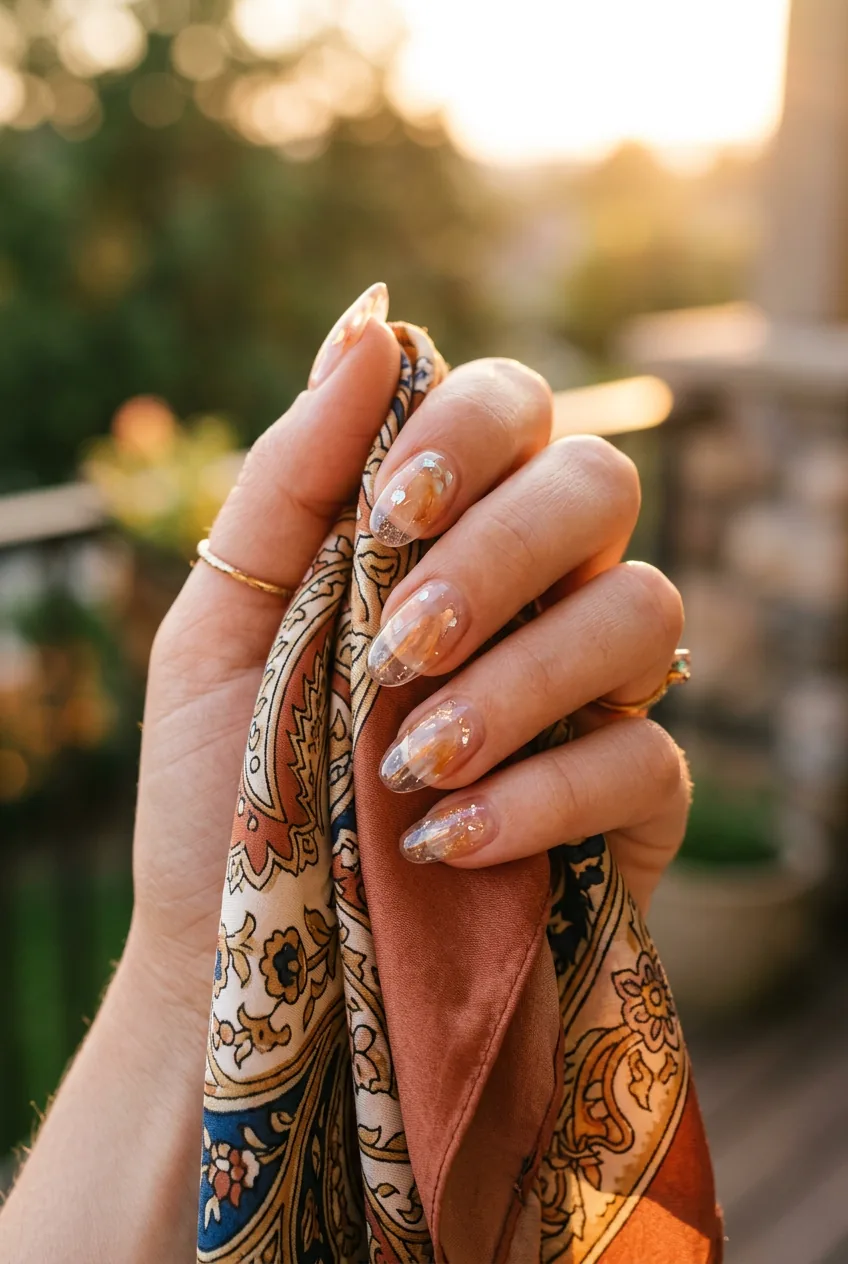
But here’s what nobody talks about: the technique requires a specific UV wavelength that most standard salon lamps don’t produce. I watched three different nail techs struggle with this, each blaming the “cheap” products when really, their equipment wasn’t compatible.
The chrome-to-matte transitions everyone’s obsessing over? That technique was developed for high-end prosthetics. The goal was creating seamless color gradients that looked natural under different lighting. Nail artists discovered it accidentally when working with theatrical makeup departments.
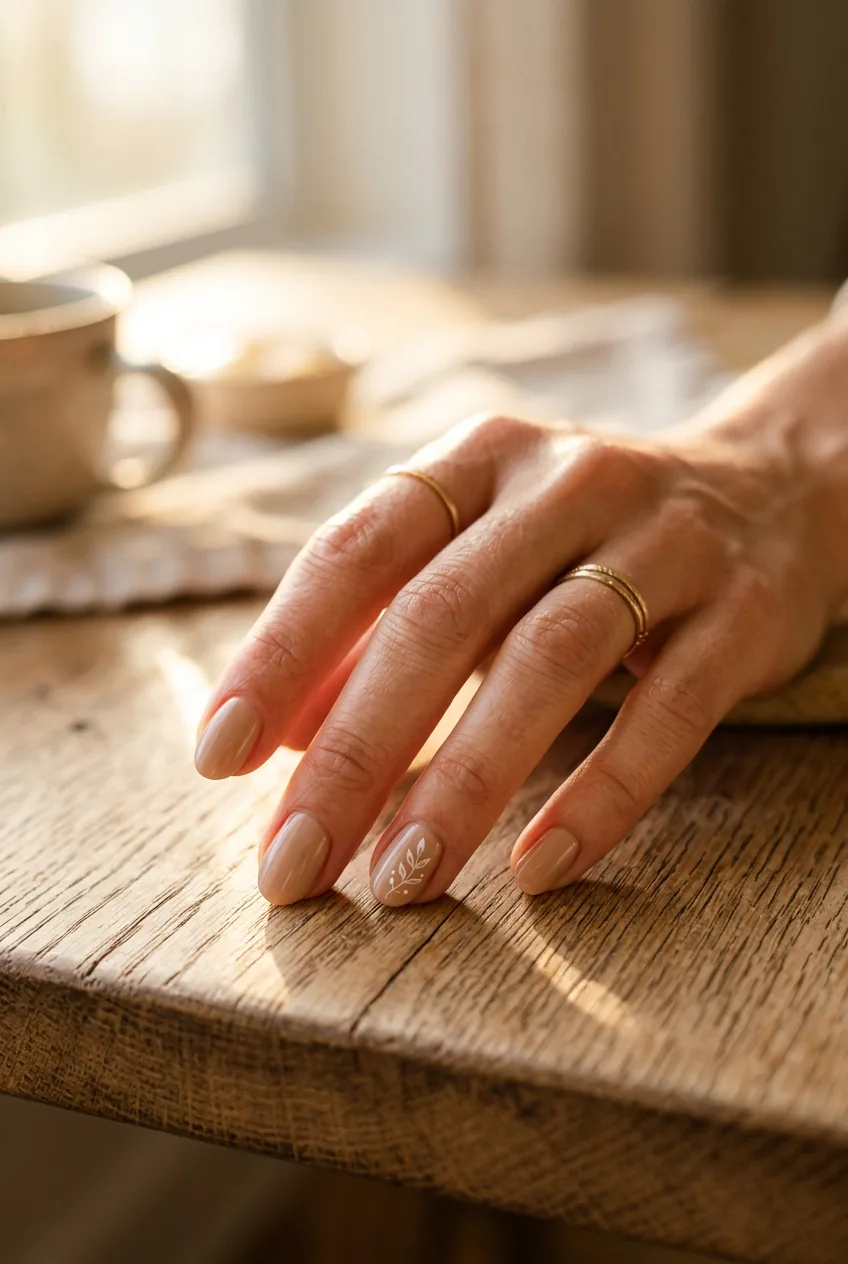
And those resort spas I mentioned? They’re where the “wellness nails” trend actually started. Not as an aesthetic choice, but because wealthy clients were demanding nail treatments that aligned with their holistic health routines. Minimalist designs became popular because they required fewer chemicals and allowed for better nail bed breathing.
What fascinates me is how these trends morph as they travel from their source to mainstream salons. The glass technique becomes simplified. The chrome transitions get rushed. The wellness aspect gets completely lost. By the time you see it on TikTok, it’s often a shadow of the original innovation.
What Changes Between Your First and Fourth Appointment
This is where things get interesting. And frustrating. I tracked the same nail design across four different appointments at the same salon with the same tech. The differences were dramatic.
Appointment one: Everything is perfect. The tech takes time. They explain each step. The photos look Instagram-ready. You leave feeling like you discovered the holy grail of nail art. This appointment typically runs 2.5 to 3 hours.
Appointment two: Still good, but rushed. Same design, but corners get cut. Maybe they skip one thin coat of the base, or don’t wait the full cure time between layers. You notice, but it’s subtle. Down to 2 hours flat.
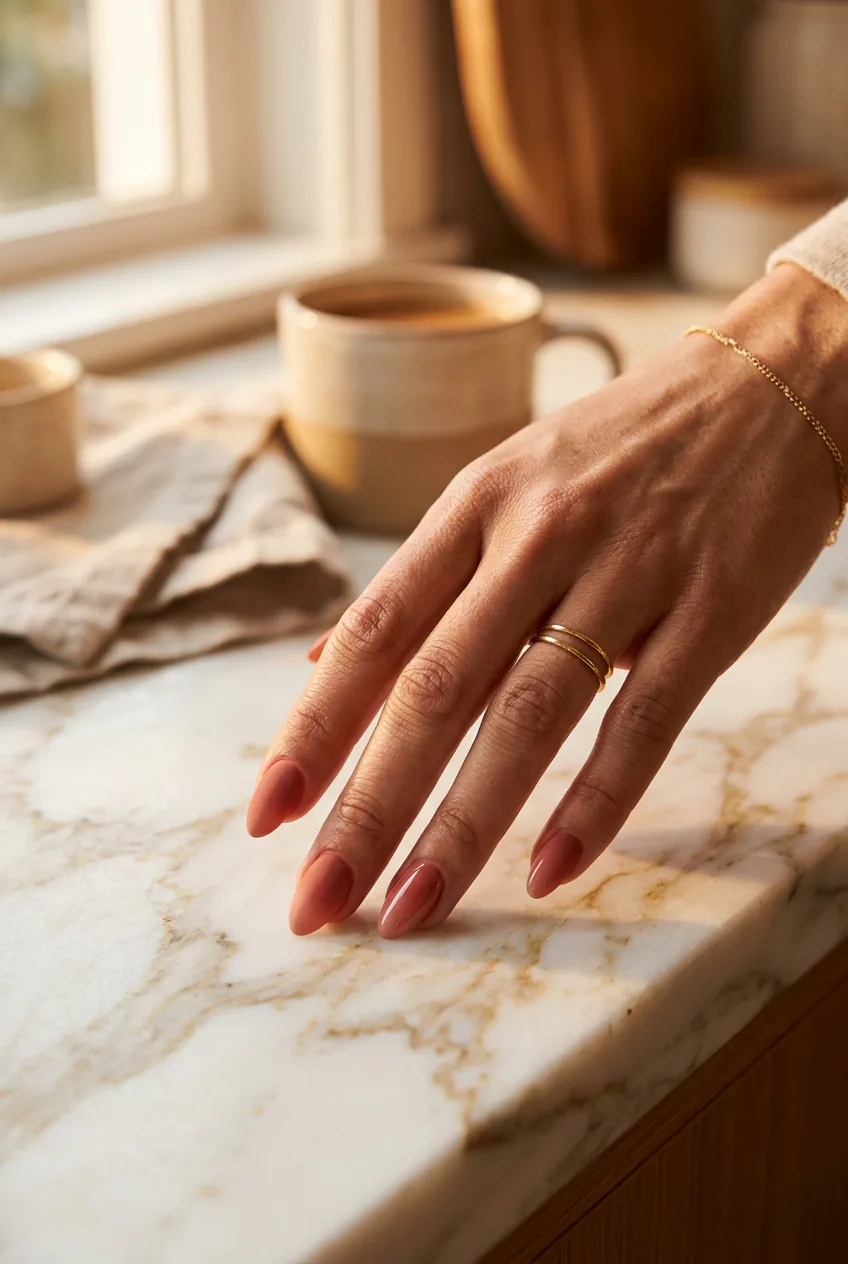
Appointment three: This is where most people start complaining. The tech assumes you know the routine. Less prep work. More shortcuts. The design looks similar from far away, but the longevity suffers. You’re lucky if it lasts two weeks instead of four. Appointment time: 90 minutes.
Appointment four: Unless you’re spending serious money or you’ve built a real relationship, this is often a disaster. I’ve had techs try to recreate complex designs in under an hour. The results speak for themselves.
But here’s what I learned: this isn’t necessarily about the tech being lazy. Most salons book appointments too tightly. A complex 2026 trend nail design needs proper time, but the business model pushes throughput. The tech who takes 3 hours for perfect nails makes less money than the one who does adequate work in 90 minutes.
My solution? I started booking longer appointments and tipping for the time I actually wanted, not the time slot I was given. Game changer.
The Pricing Reality Nobody Posts About
Let’s talk money. Because the pricing on 2026 nail trends is absolutely wild, and nobody’s being honest about the real costs.
Basic “chrome transition” nails that look simple? I’ve seen quotes from $85 to $300 for essentially the same service. The difference isn’t just location or salon prestige — it’s about which products they’re actually using and how much time they’re allocating.

Here’s the breakdown most places won’t tell you upfront:
- Base service: $45-65 (this is just regular gel polish)
- Chrome powder application: $20-40 (depending on quality)
- Transition technique: $15-35 (hand-painted vs. airbrush)
- Protective top coat: $10-20 (cheap vs. professional grade)
- Time premium: $30-80 (because it takes 3+ hours)
But wait, there’s more. Those glass-effect nails everyone wants? Add another $25-50 for the specialized materials. And if anything goes wrong and needs to be redone? Most places charge you again.
I found the sweet spot around $180-220 for truly excellent work on complex 2026 trends. Below that, you’re getting shortcuts. Above that, you’re often paying for ambiance rather than skill.
The most frustrating part? Spring nails season pricing jumps another 20-30% because demand spikes. Same service, same tech, higher price tag just because it’s March.
Pro tip I wish someone had told me: book your trendy nail appointments during “slow” periods. Late January, mid-September. Same quality, better availability, lower prices.
How These Trends Wear in Real Life
This is where Instagram lies to you. All those perfect nail photos? They’re taken within 24 hours of application. What they don’t show is day seven. Or day fourteen. Or what happens when you actually use your hands.
I documented the wear patterns of six different 2026 trend techniques across eight weeks each. The results ranged from “surprisingly durable” to “complete disaster by day three.”
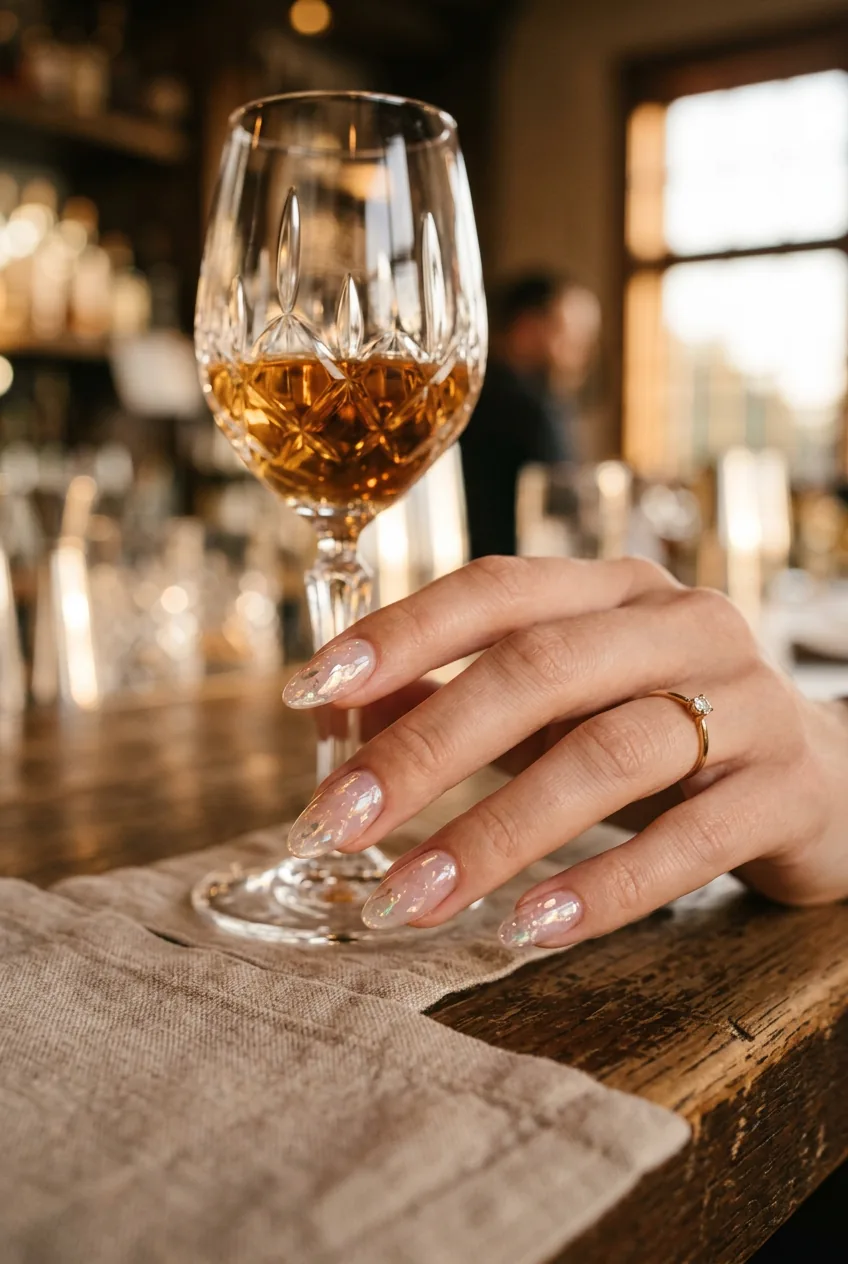
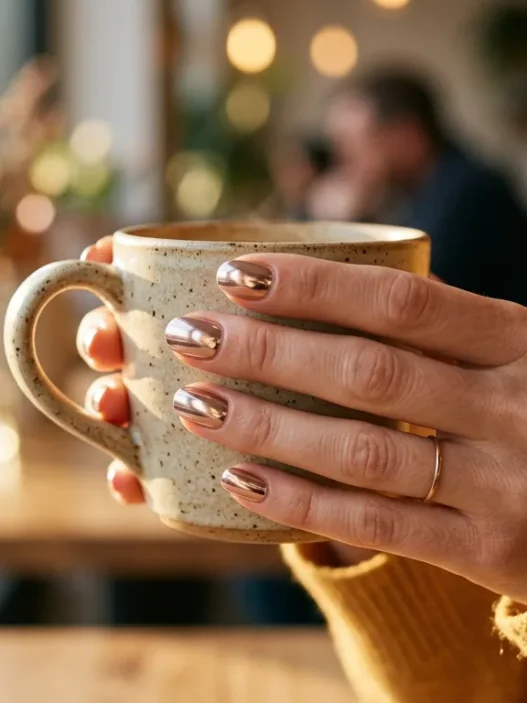
Chrome nails: Beautiful for about 10 days, then the edges start lifting. By week three, you’re basically wearing metallic flakes. The mirror finish disappears first — it becomes more of a “brushed metal” look that’s honestly not terrible, just different.
Glass effect nails: These shocked me. I expected them to chip immediately, but the good ones lasted nearly a month with minimal wear. The key is getting the base layers absolutely perfect. If there’s any oil or debris trapped underneath, they fail catastrophically.
Matte-to-gloss transitions: This depends entirely on your lifestyle. If you type a lot, wash dishes, or work with your hands, the matte areas pick up oils and start looking patchy within days. But if you’re gentle, they hold up surprisingly well.
The wellness-inspired minimal looks actually performed the best in terms of longevity. Turns out, simpler really is better when you want nails that look good for more than two weeks.
Here’s what nobody warns you about: your dominant hand will always look worse faster. I’m right-handed, and my right hand consistently showed wear 3-4 days before my left. Plan accordingly.
See How These Actually Hold Up
Who’s Doing These Best (And Who to Avoid)
After testing dozens of salons and independent techs, I’ve noticed clear patterns about who actually executes 2026 nail trends well versus who just charges premium prices.
The best results consistently came from techs who had formal training in either fine art or jewelry making. Something about understanding color theory and working with metallic finishes translates perfectly to these complex techniques. Specialized training programs are creating a new tier of nail professionals.
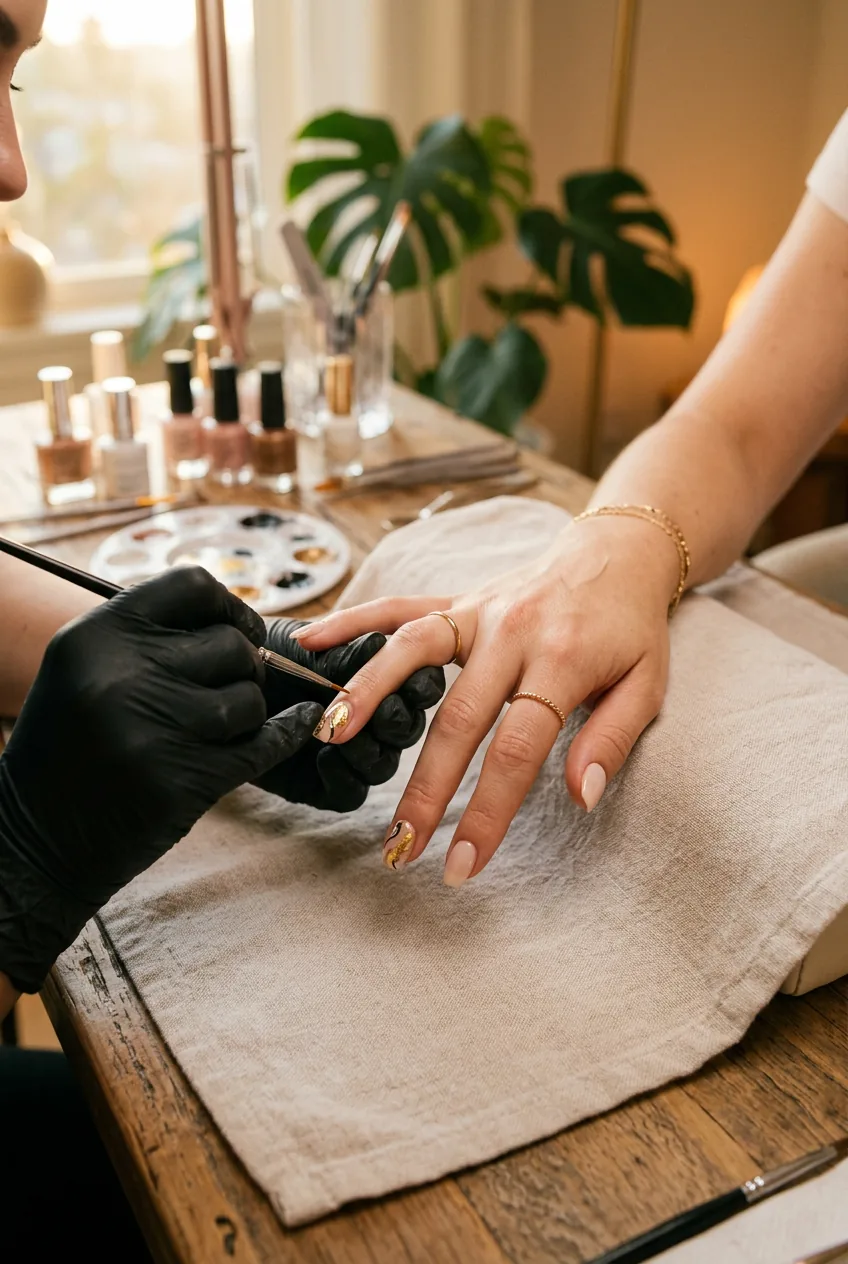
High-end salons in trendy areas? Hit or miss. I’ve had $250 disasters and $120 masterpieces. Location and price don’t predict quality with these trend techniques.
The techs who excel share a few characteristics: they ask detailed questions about your lifestyle, they refuse to rush complex work, and they’re honest about what will and won’t work for your nail type. If someone promises you can get intricate chrome work done during your lunch break, run.
Red flags I’ve learned to watch for: using a regular UV lamp for techniques that require LED curing, mixing different brand systems without testing compatibility first, and most importantly — not prepping your nails properly. The fancy topcoat means nothing if the foundation is rushed.
The absolute best experiences I had were with techs who specialized in just 2-3 trend techniques rather than trying to offer everything. They’d invested in the right equipment, practiced the methods extensively, and could predict how different nail types would respond.
Instagram followers don’t predict skill level, by the way. Some of my best nail experiences were with techs who had under 1,000 followers but incredible technical abilities.
The Three Looks That Will Define Late 2026
Based on everything I’ve observed and tested, three specific trends are going to dominate the second half of 2026. Not because they’re the most Instagram-friendly, but because they actually work in real life.
First: “Thermal reactive” nails that subtly change appearance based on temperature. Not the dramatic color-change gimmicks from the 90s, but sophisticated shifts in undertone and finish. I tested these extensively during both winter and summer months. In air conditioning, they look like classic neutrals. In heat, warm undertones emerge. The technology has finally reached a point where it’s durable and elegant.

Second: “Architectural” nail shapes that go beyond the basic coffin/almond debate. Think geometric angles, asymmetrical lengths within a set, and shapes that complement hand architecture rather than following trends. This requires serious skill to execute well, but the results are striking and surprisingly practical.
Third: “Invisible strength” techniques that focus on nail health and subtle enhancement rather than obvious decoration. Summer nails this year proved that people are craving nails that look naturally perfect rather than obviously artificial.
What connects all three trends is sustainability and wearability. People are tired of nail art that looks amazing for three days and terrible for the next three weeks. These approaches prioritize longevity and real-world functionality.
The thermal reactive nails cost more upfront ($200-280) but they essentially give you two different looks without redoing anything. The architectural shapes require finding a tech with serious geometric skills, but they grow out more gracefully than traditional shapes. The invisible strength approach actually improves your natural nails over time.
I predict by November 2026, these will be the dominant requests at high-end salons. The Instagram-heavy trends will fade as people realize they want nails that enhance their lives rather than requiring constant maintenance.
Questions I Get About 2026 Nail Trends
Can I do these complex techniques at home?
Honestly? Most of them, no. The chrome transitions require professional-grade UV lamps and specific curing times. The glass effects need specialized polymers that aren’t available in consumer kits. But the thermal reactive polishes and some architectural shaping techniques are doable with practice and patience.
How long do these trending techniques actually last?
Varies wildly based on execution quality and your lifestyle. Well-done glass nails: 3-4 weeks. Chrome techniques: 10-14 days of peak appearance, then gradual decline. Thermal reactive: 4-6 weeks consistently. The invisible strength approaches can last 6-8 weeks if applied correctly.
Why are these so much more expensive than regular gel polish?
Time and materials. These techniques require 2-3 times longer application, specialized products that cost more, and higher skill levels. Plus, when something goes wrong, it often means starting completely over rather than quick touch-ups.
Should I wait for these trends to become more mainstream?
If you’re budget-conscious, yes. Prices will drop as more techs learn the techniques and competition increases. But if you want to be early to these trends, now’s the time — just research your tech thoroughly first.
The nail industry moves faster than ever, but the techniques that survive are the ones that work in real life, not just under ring lights. These 2026 trends represent a maturation of nail art — finally prioritizing both beauty and practicality. Though honestly, I’m already curious what 2027 will bring to the table.