







I once showed up to a client presentation with a chipped gel manicure, one nail shorter than the rest, and a colour that looked like I’d borrowed it from a Halloween display. Nobody said anything. But I noticed every glance that dropped to my hands mid-handshake, and I never forgot it. That was the moment I started taking my office nails seriously — not because I think appearance is everything, but because your hands are literally in front of people all day long when you’re typing, pointing, gesturing. They deserve a bit of intention.
The Most Important Thing I’ve Learned
Shape matters more than colour. I spent years obsessing over the perfect shade — the right nude, the most professional red — while completely ignoring the fact that my nail shape was doing half the work (or not doing it). Long stilettos at a finance meeting are a statement. Not a bad one, necessarily, but a loud one you should make on purpose.
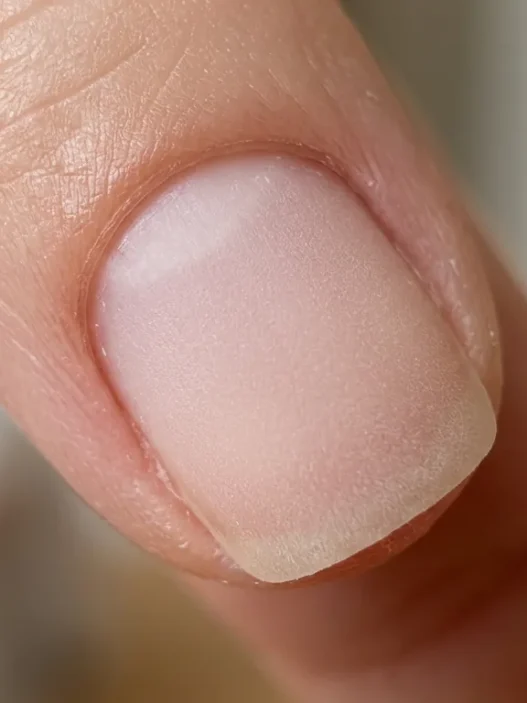
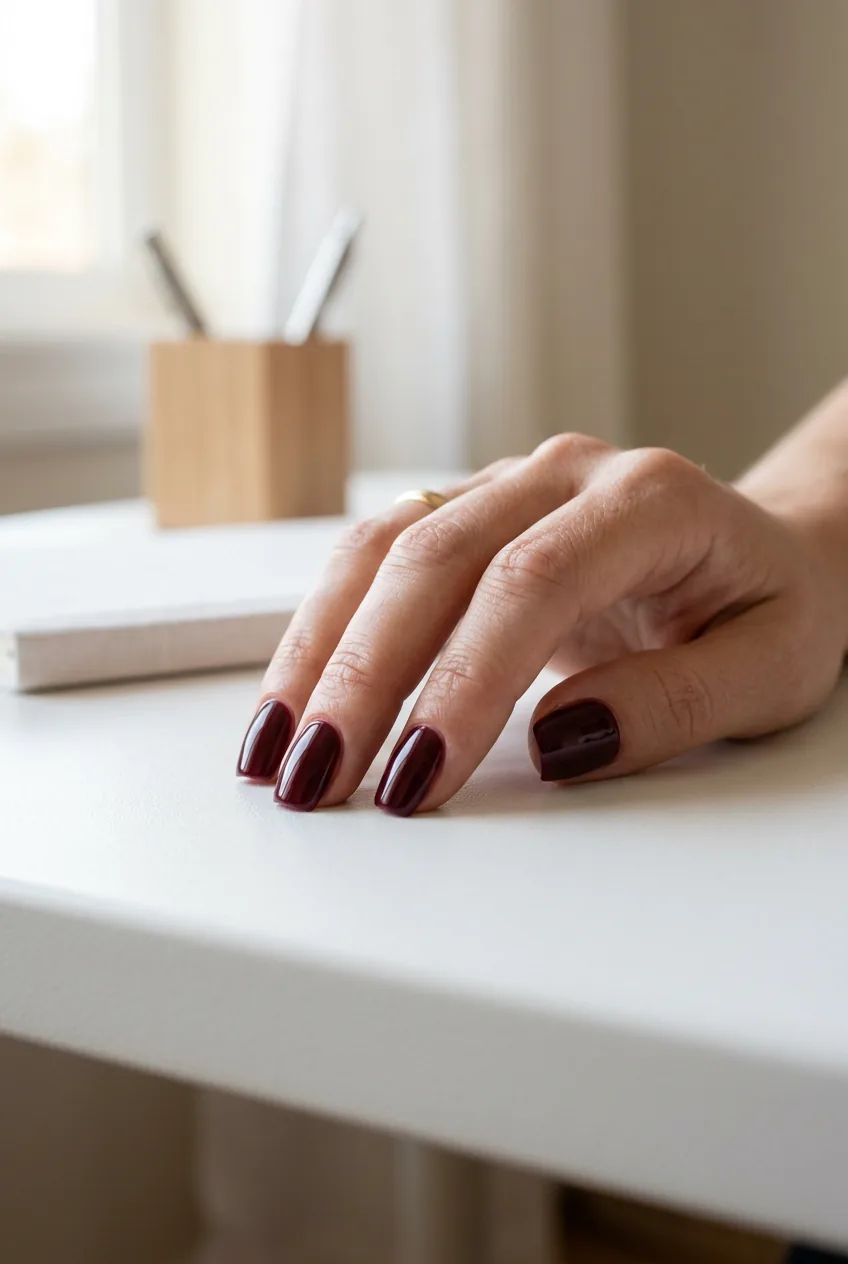
The shape I keep coming back to for a genuinely polished, work-ready look is square squoval nails — that slightly softened square edge that reads as neat without looking severe. It’s the shape that photographs well on a keyboard, holds polish evenly, and doesn’t snag on your laptop bag zipper at 7am. If you’re starting from scratch on building a more intentional work manicure, start there.
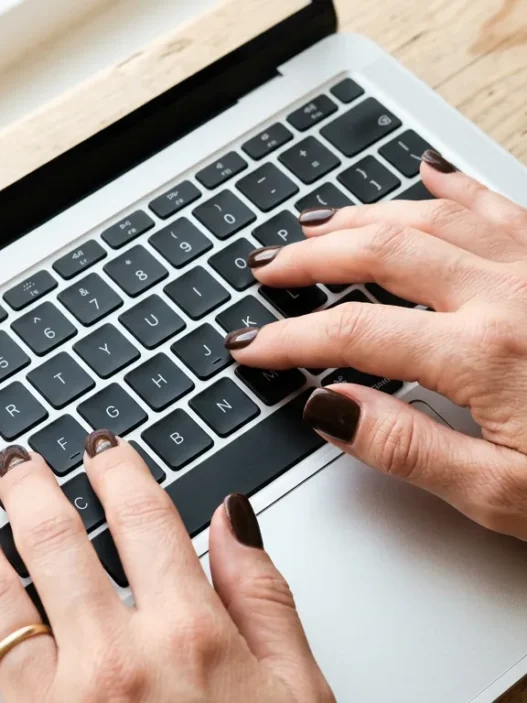
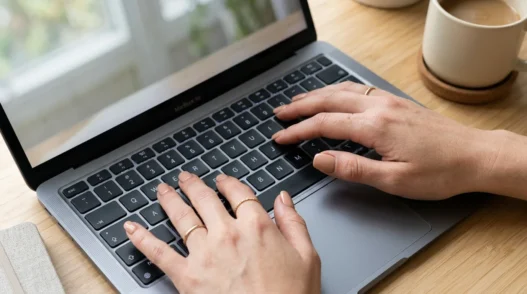
Length is the second variable. I’ve found that keeping nails at a medium length — just past the fingertip, not dramatically beyond it — is the sweet spot for actually being able to type comfortably at speed. When your nails are clicking the keys instead of your fingertips, you’re fighting your own hands all day. That low-level irritation adds up.
The Mistake I Stopped Making
I used to refresh my manicure the night before something important — a big meeting, a presentation, a job interview. Every single time. And every single time I’d either smudge a nail getting into bed, wake up with sheet marks pressed into the polish, or notice at 8am that one nail had somehow gone slightly lumpy overnight.
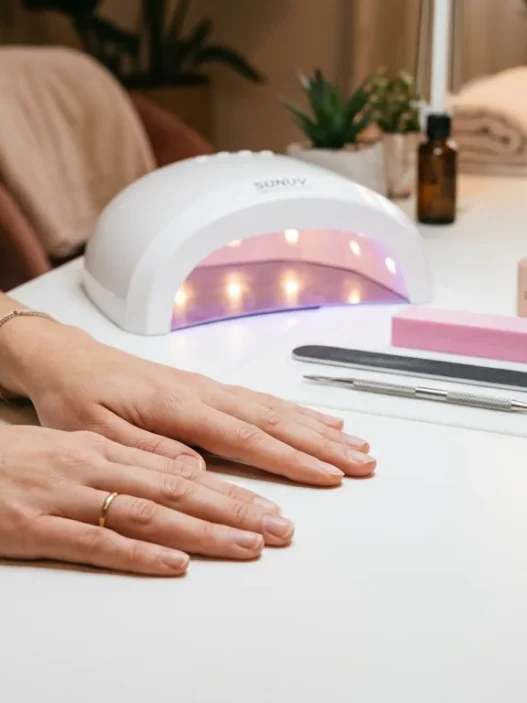
The fix was embarrassingly simple: I moved my nail appointments to Thursday evenings. By Monday morning the polish has fully hardened, I’ve worn the nails for a full weekend and worked out any awkward snags, and I’m walking into the week with a manicure that already feels like mine. Two extra days of cure time changes everything about how a manicure wears.
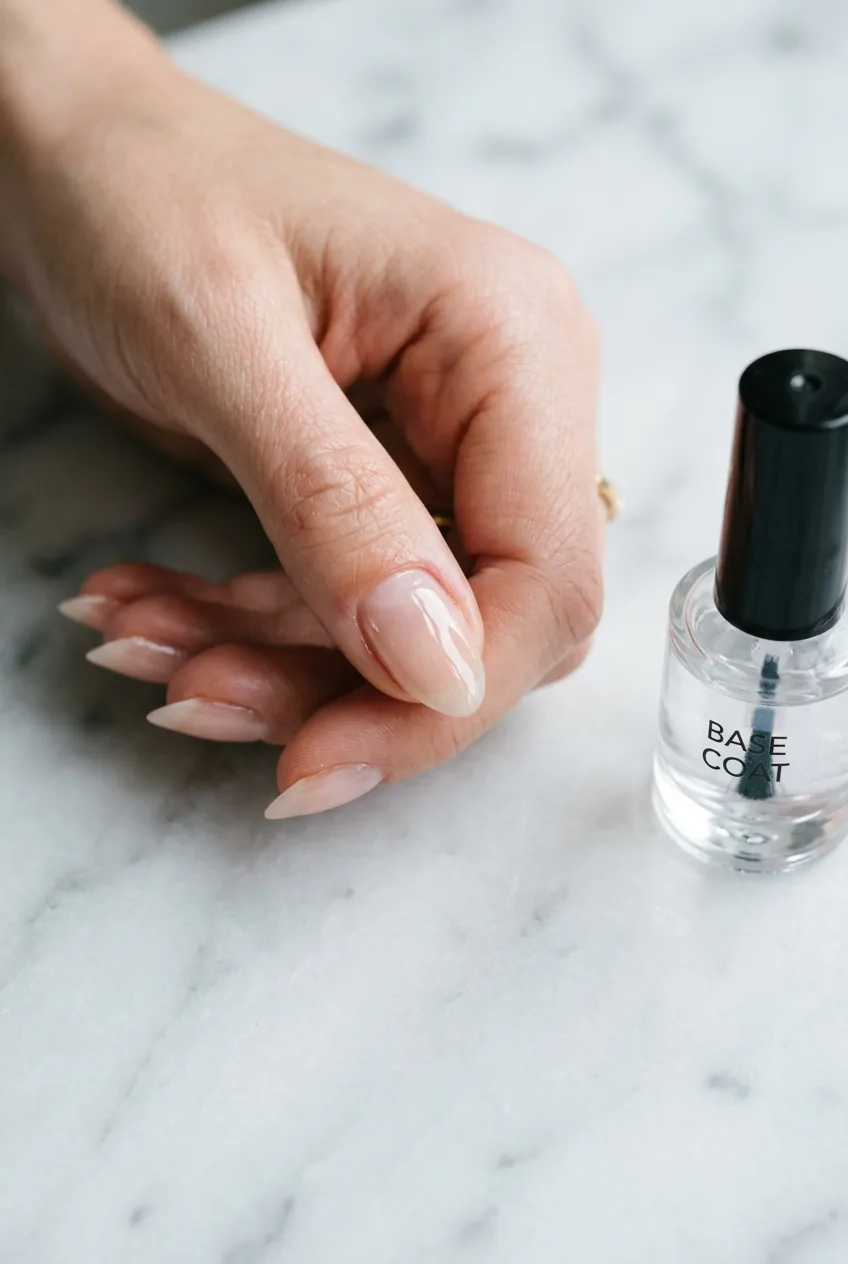
The other mistake — and I’m almost embarrassed to admit how long this one took — was skipping base coat to save time. Base coat isn’t just about preventing staining. It creates a surface your polish can actually grip. Without it you’re asking colour to bond directly to a naturally oily nail plate, and then wondering why it peels in three days. Put the base coat on. Every time. Even if you’re in a rush. Especially if you’re in a rush.
The Habit I Wish I’d Started Sooner
Cuticle oil. Daily. This one feels small and it is not small.
I used to think cuticle oil was something you used when your hands looked terrible, like a rescue product rather than a maintenance one. But healthy cuticles are actually the frame around your nail — when they’re dry and ragged, even the most expensive gel manicure looks unkempt. And when they’re nourished and smooth, a simple single-coat polish looks intentional and put-together.
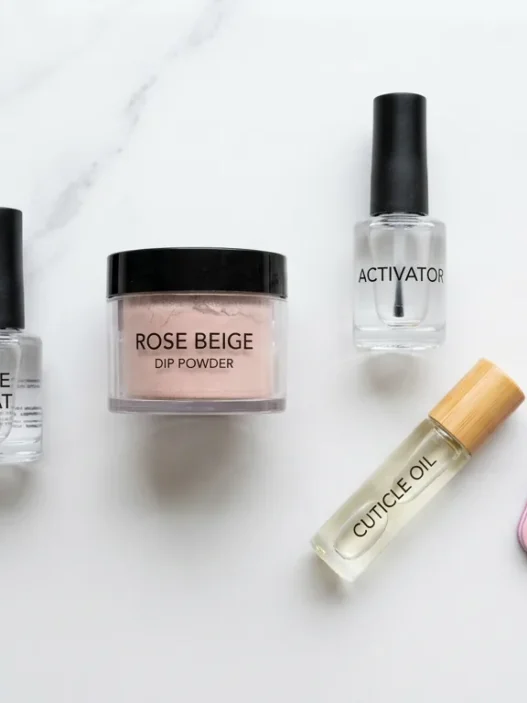
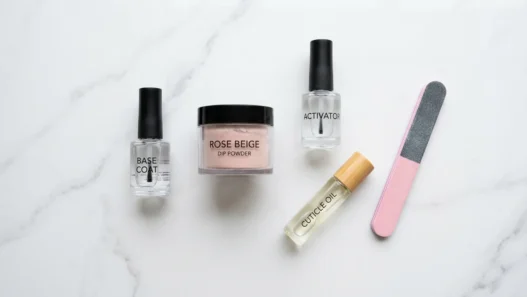
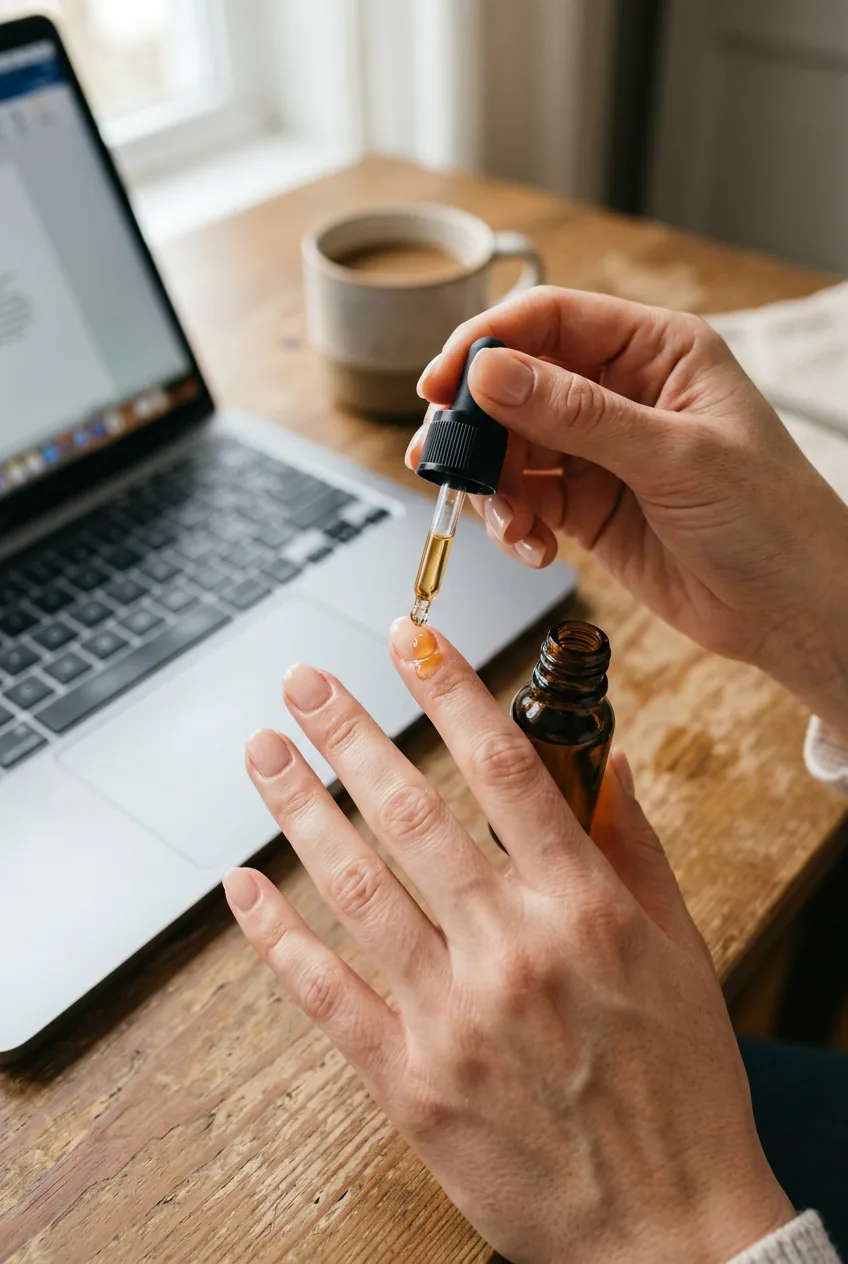
I keep a small bottle of jojoba-based cuticle oil on my desk and apply it while I’m waiting for a Teams call to start or while my laptop is loading something slow. Takes thirty seconds. The habit stacks naturally onto existing parts of the workday, which is the only reason I’ve actually maintained it. According to research on nail hydration ingredients, jojoba is one of the closest molecular matches to the skin’s own sebum — meaning it absorbs fast without leaving a slick residue on your keyboard.
If you’re working through seasonal changes — the dry indoor heating of winter or the hand-washing intensity of a busy season — you’ll notice your nails and skin respond immediately. I wrote more about caring for nails through colder months over in my winter nails section if you want to go deeper on that.
A Cuticle Routine That Actually Changed Things
The Thing I Tell Everyone
Here’s my slightly unpopular opinion: gel manicures are not automatically better for office wear than regular polish. I know, I know. But hear me out.
Gel lasts longer, yes. But gel that’s grown out by two weeks looks significantly worse than a fresh regular manicure. The gap at the cuticle is visible, the colour looks locked in amber while your actual nail keeps growing, and the removal process is harsh enough that a lot of people end up with thinner nails over time. If you’re someone who can make it to the salon every two weeks without fail, gel is a great option. But if you’re going to stretch it to three or four weeks — and honestly, most of us do — a well-applied regular polish that you refresh every week will look better for longer.
The key is using a quality top coat and reapplying it every two to three days. That single habit extends regular polish by almost a full week and keeps it glossy enough to look intentional rather than tired. It takes two minutes. I do it while watching something on my phone.
The manicure that gets refreshed regularly will always look better than the one that’s technically “longer lasting” but visibly grown out.
What Nobody Tells You About Colour
Professional nail colour advice tends to go one of two directions: either “only wear nudes” or “express yourself freely, it’s 2026.” Both are kind of useless in practice. The actual nuance lives somewhere in the middle, and it shifts by season and context.
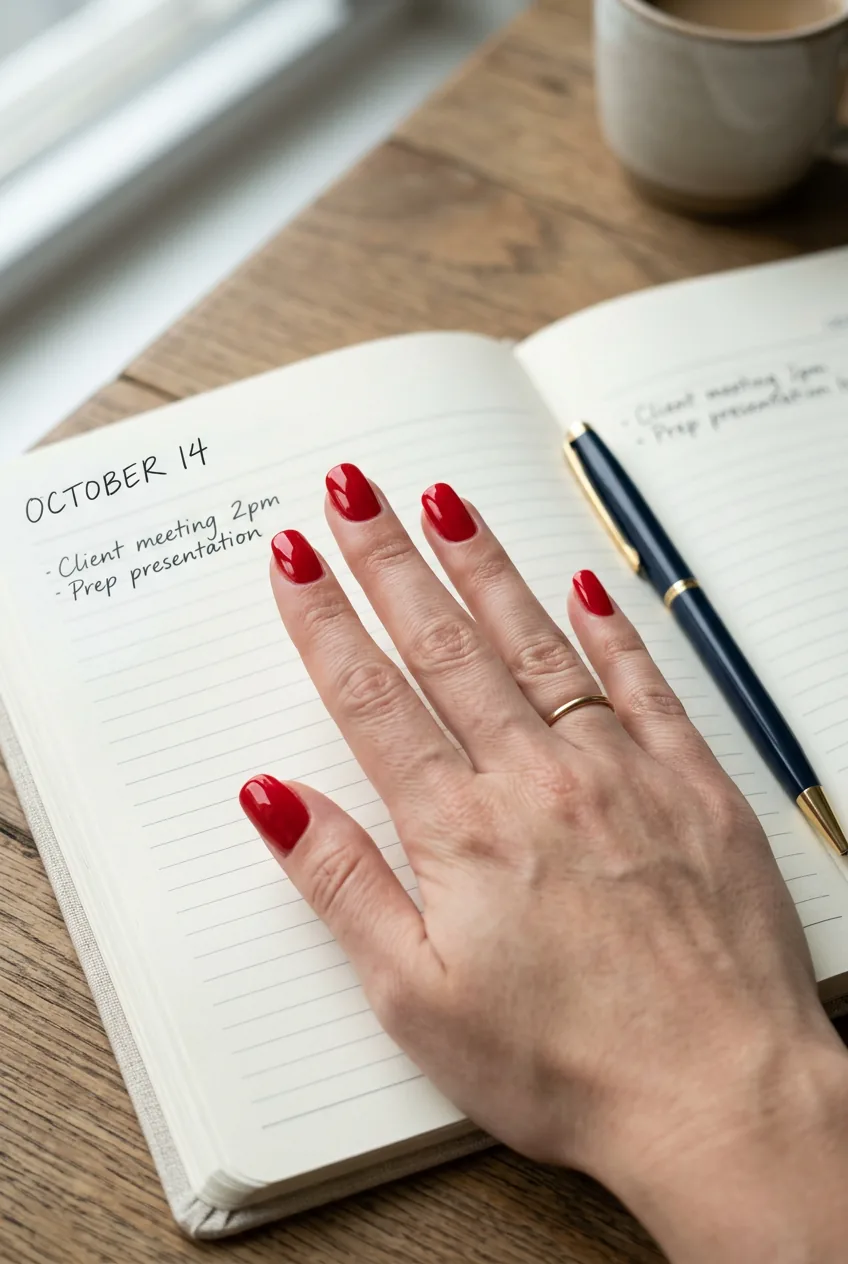
What I’ve learned is that it’s less about the specific shade and more about finish and saturation. A muted, low-shimmer navy reads as polished in most offices. A neon blue with chrome flecks might not — even though both are technically “blue nails.” The formula matters as much as the colour family. I gravitate toward crème finishes for the workweek because they’re forgiving (chips are less visible than on shimmer), they photograph neutrally in video calls, and they suit every skin tone when the saturation is right.
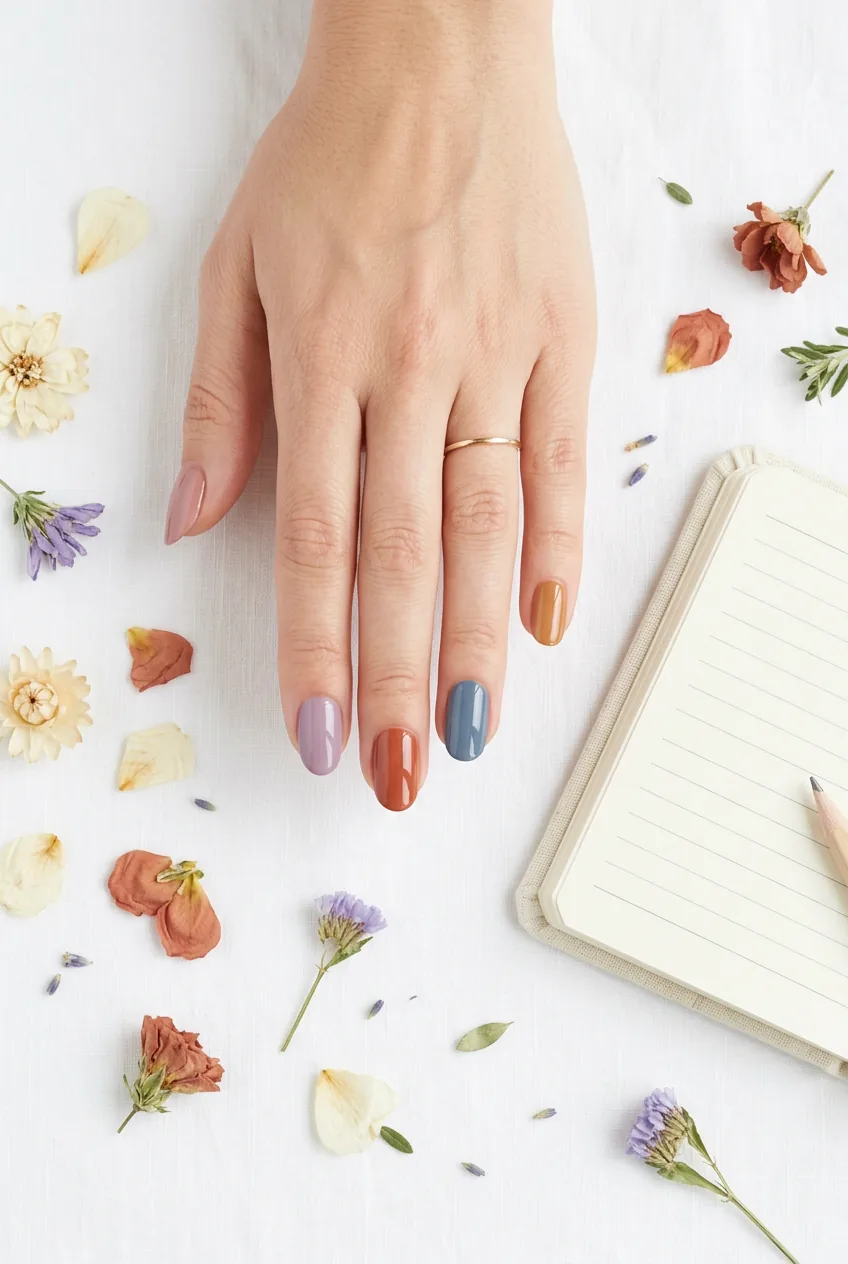
Seasonally, I let myself shift. I’m much more likely to try a dusty lilac in spring or a burnt sienna in autumn — you can see some of the nail looks I’ve been drawn to lately on the spring nails and fall nails pages. Even within a conservative dress code, seasonal colour signals that you’re paying attention — and there’s something quietly confident about that. You can also look into professional nail colours to find shades that bridge the gap between expressive and polished.
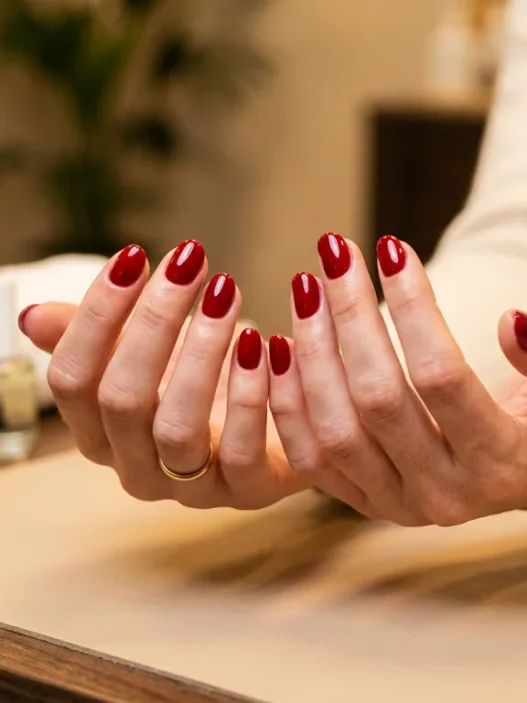
Look at how her nails are finished in that photo — see how the crème formula keeps the colour readable without any distracting shimmer catching the light? That’s exactly the effect I mean. Clean, intentional, impossible to dismiss as an afterthought.
Questions I Get About This
Do I need to spend a lot to get a good work manicure?
Not at all. The most expensive part of a reliable office manicure is the technique, not the product. A quality base coat, a mid-range crème polish, and a fast-dry top coat from a drugstore brand will outperform a luxury polish applied without care. I’ve had £6 polishes outlast £30 ones simply because I applied them in thin layers and sealed the edges properly. Invest your time, not necessarily your budget.
What shape works best if I type all day?
Squoval or round — full stop. Both shapes have no sharp corners to catch on keys and keep the nail strong enough to resist breakage from constant keyboard contact. I’d avoid anything with a sharp tip (stiletto, pointed almond) if you’re genuinely at a computer for six or more hours a day. You’ll either break a nail by Wednesday or unconsciously type awkwardly to protect them, which strains your wrists over time.
Is it worth getting a professional manicure, or can I do office nails at home?
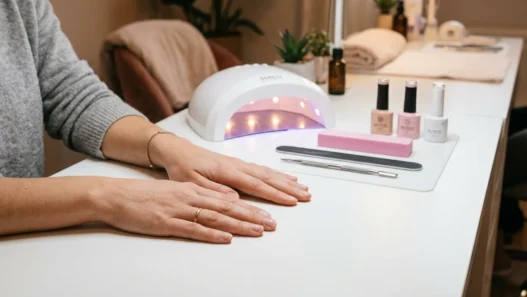
Both work, but they require different things from you. A professional manicure is worth the cost if your time is tight and you want longevity — a good nail tech will prep your nails in ways that are genuinely hard to replicate at home. DIY is absolutely viable if you’re willing to invest twenty minutes in proper prep: push back cuticles, buff the plate lightly, and never skip the base coat. The prep is where most at-home manicures fail, not the polish application itself. You can learn a lot about how to prep nails at home to get that salon-level result yourself.
How do I stop my nail polish from chipping mid-week?
Seal the free edge every time you apply a coat — including base and top coat. That means dragging the brush along the very tip of the nail, not just painting the flat surface. That thin edge cap is where chips start, almost without exception. Also avoid hot water for at least an hour after painting, and wear gloves for washing dishes. I know it feels fussy. It extends your manicure by three days. Worth it.
If there’s one thing I hope you take from all of this, it’s that a great work manicure isn’t about following rules — it’s about making a small, daily choice to show up with intention. Your hands are in the room with you. They might as well be working with you. Go take care of them.