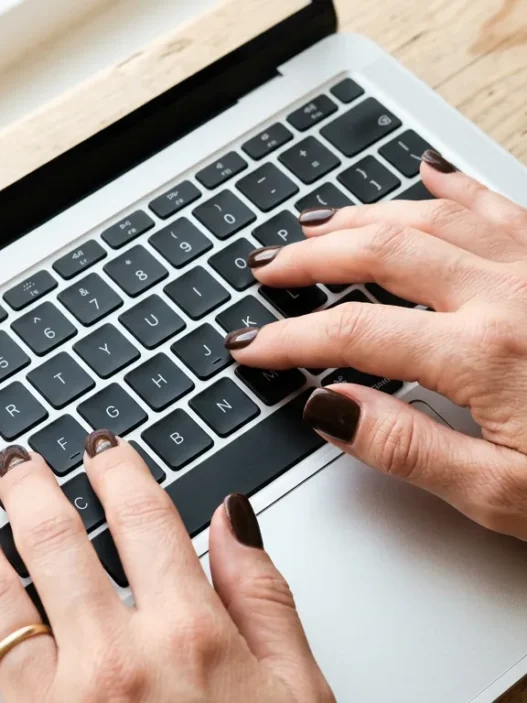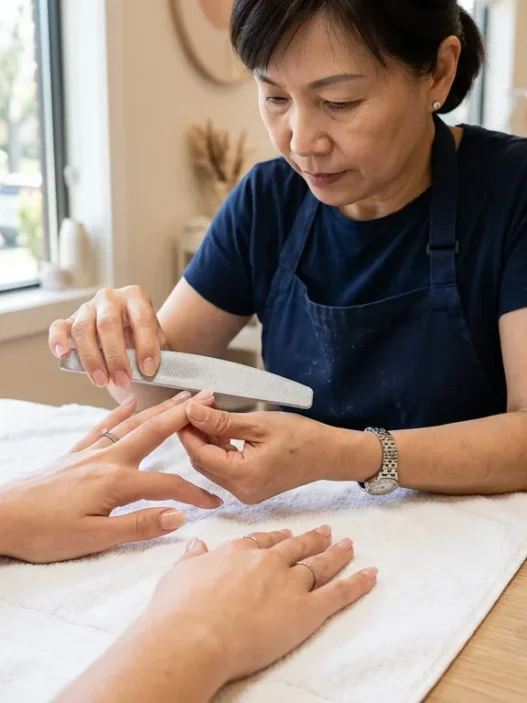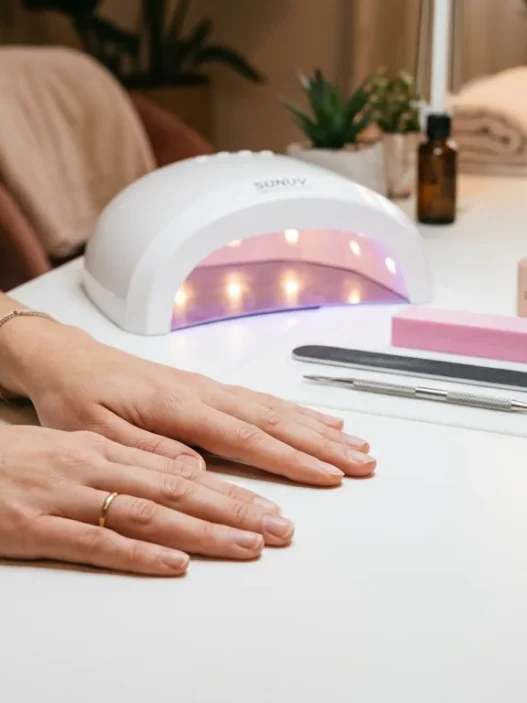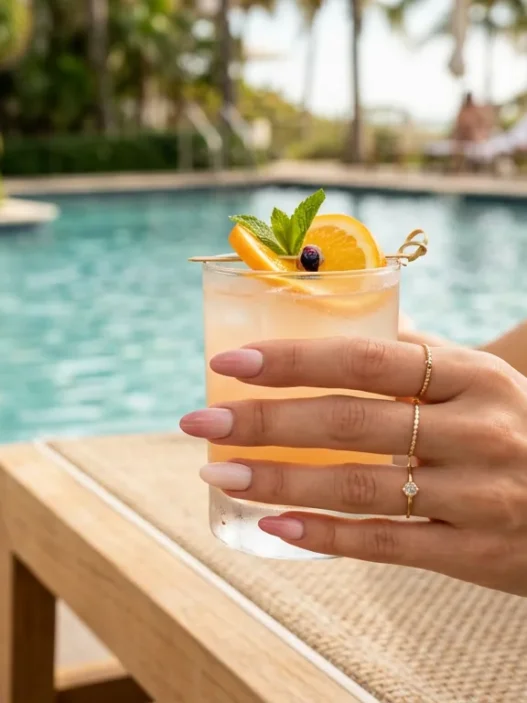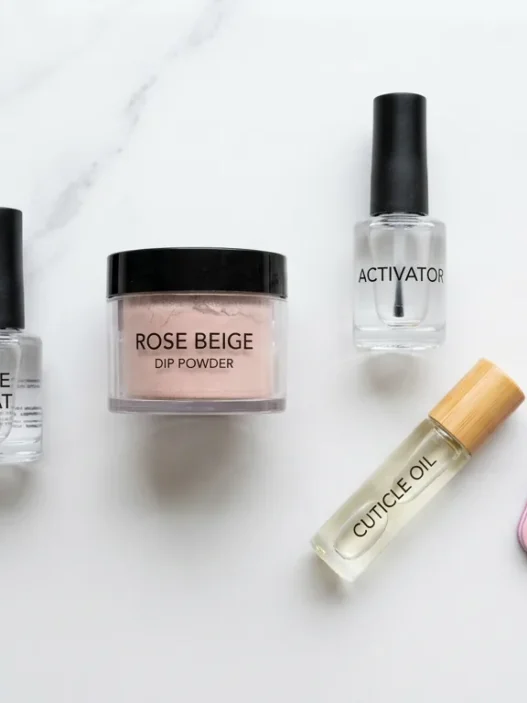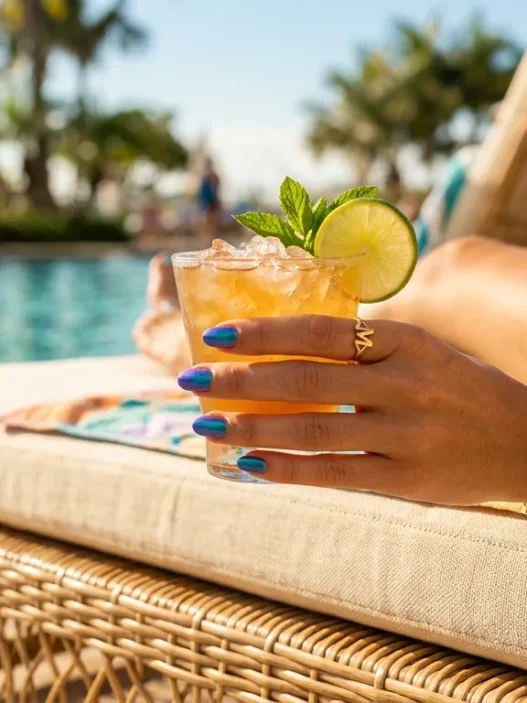





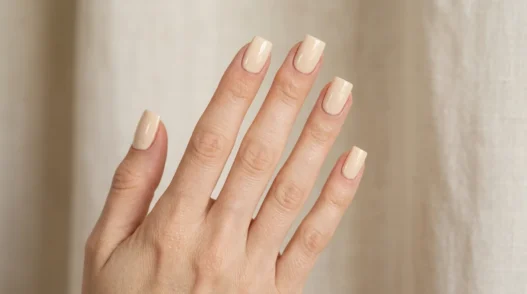
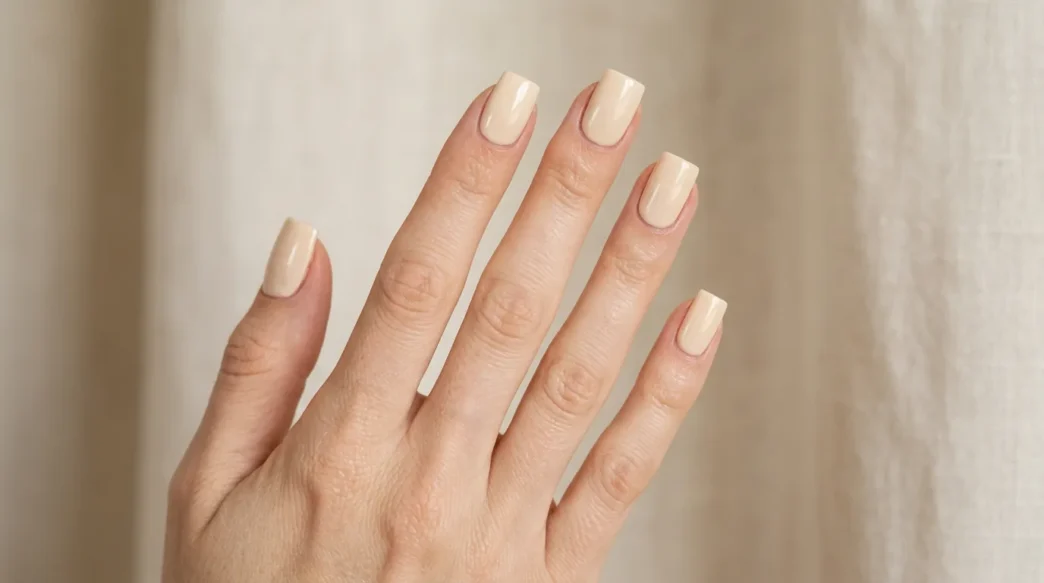
I came to short square nails late. For years I was convinced I needed length to make nail art work — that anything under a centimeter of free edge was basically a blank canvas too small to bother with. Then I got a gel manicure right before a trip, kept them short out of practicality, and my technician filed them into a crisp square edge. Something clicked. The flat top and straight sides created this clean little frame on every finger, and suddenly even a single coat of color looked intentional and polished in a way I hadn’t expected. I’ve been going back to this shape ever since.
What I love most is how the square edge makes designs feel structured. The straight tip acts like a built-in horizon line — it gives every look a finished quality without needing extra length. Whether you’re working with a simple nude or a full art piece, the shape does half the work. And for anyone still on the fence about going short, I’d really recommend reading about the short nails nail style nobody asks for — but I will, because it changed how I thought about proportion entirely.
What’s In This Post — Jump to Your Shape
- 1. Classic Cream with a Defined Edge
- 2. Negative Space Geometry
- 3. Soft Sheer Pink Overlay
- 4. Micro French with a Twist
- 5. Warm Terracotta Block Color
- 6. Minimalist Single Line Art
- 7. Chrome Dusting on Nude
- 8. Bold Two-Tone Color Block
- 9. Moody Burgundy Solid
- 10. Delicate Floral Dots
- 11. Ombre in a Tiny Canvas
- 12. Clean White with a Black Tip
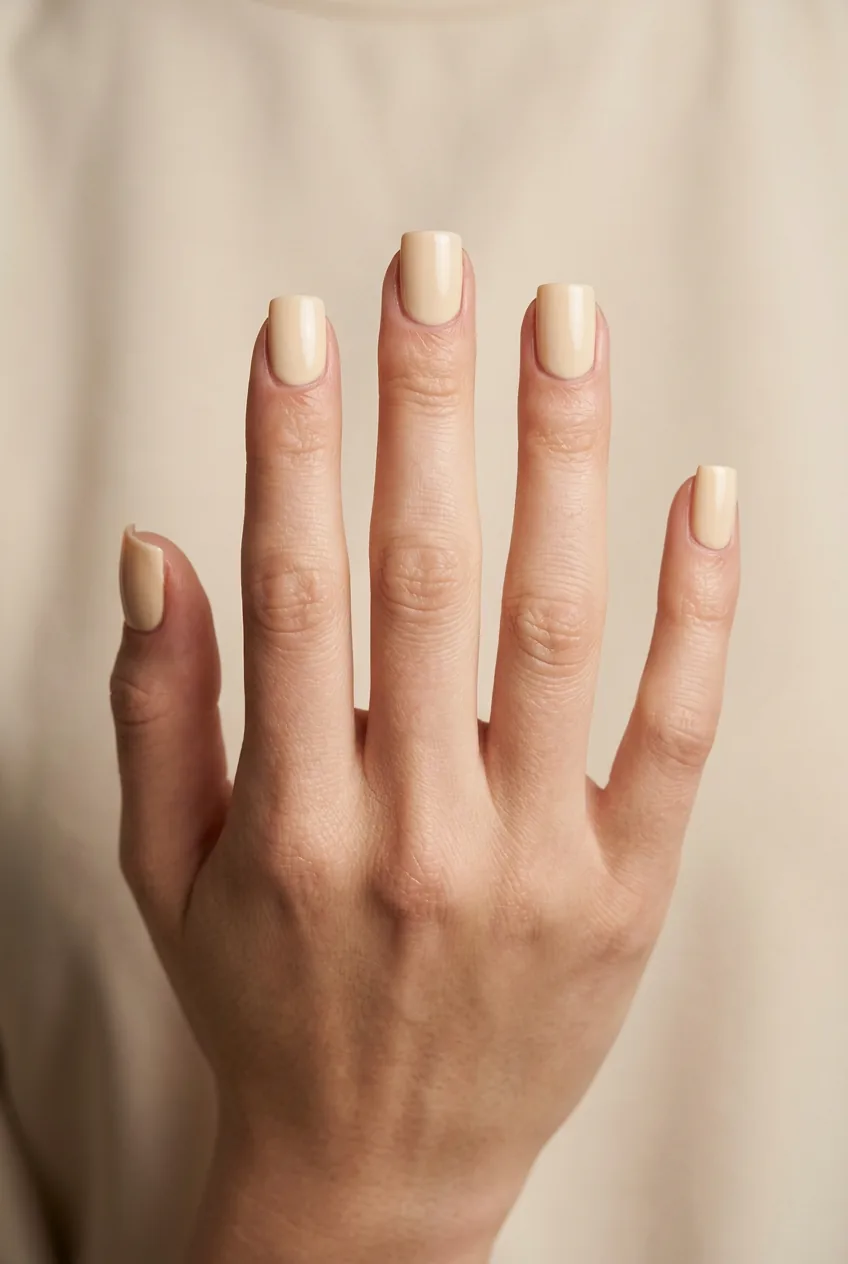
1. Classic Cream with a Defined Edge
This is where I tell everyone to start. A warm cream — not stark white, not quite beige — applied evenly across the nail, with the square tip left crisp and clean. The magic of this look is entirely in the filing. That flat, sharp edge is what separates a cream mani from looking like unfinished bare nails. You can see in the photo below how she’s got every tip perfectly aligned — that straight horizontal line across each nail is doing so much visual work.
For the shape to really read, I’d suggest checking out tips on mastering your nail file for square nails perfection before you even pick up polish. Seriously — a sloppy square edge ruins the whole aesthetic, and it’s more of a technique thing than a time thing.
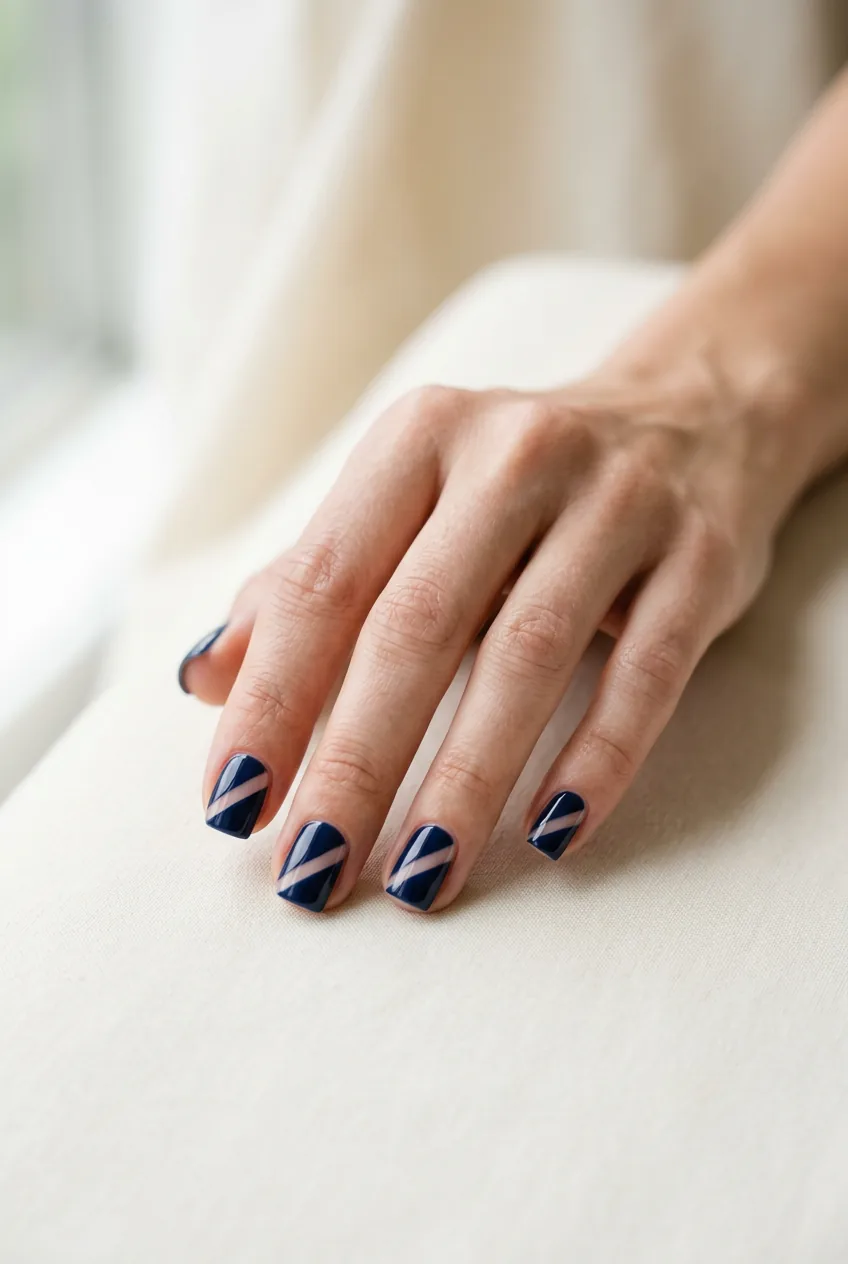
2. Negative Space Geometry
Short square nails were basically made for negative space designs. Because the free edge is a flat horizontal line, you can tape off clean geometric shapes — a triangle at the tip, a diagonal strip across the middle — and they’ll align perfectly with the nail’s natural geometry. The square shape means your angles have something to reference. Try it with a deep navy or forest green for contrast, leaving the lower half of the nail bare. Striking without being loud.
3. Soft Sheer Pink Overlay
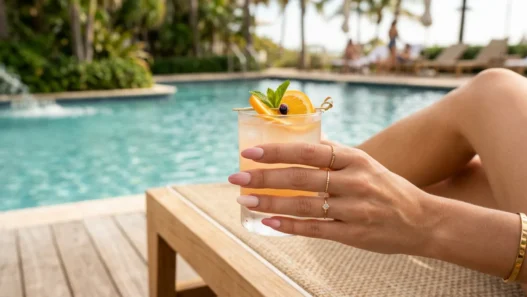
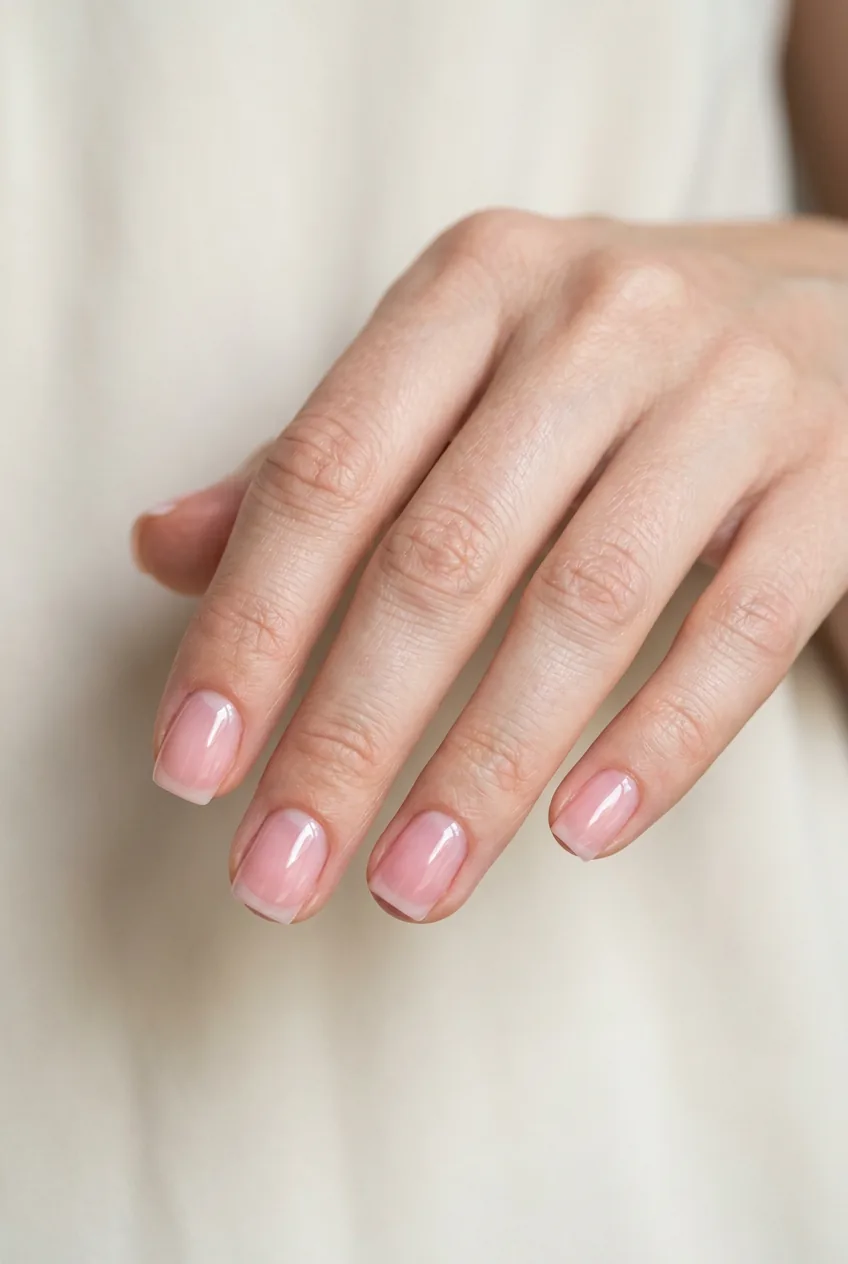
There’s a version of sheer pink that’s almost nothing — just a whisper of rose tint over the natural nail — and it is, in my opinion, one of the most quietly beautiful things you can do with short nails. The square shape on short nails means the nail plate is wide and visible, so the skin tone showing through the sheer layer creates this almost-flesh effect that looks incredibly clean and expensive. Look at how her nails in the shot below read as polished without looking painted. That’s the goal.
If you want to explore this territory more, the world of short natural nails has so many good examples of sheer-finish looks done really well — worth browsing before your next appointment.
4. Micro French with a Twist
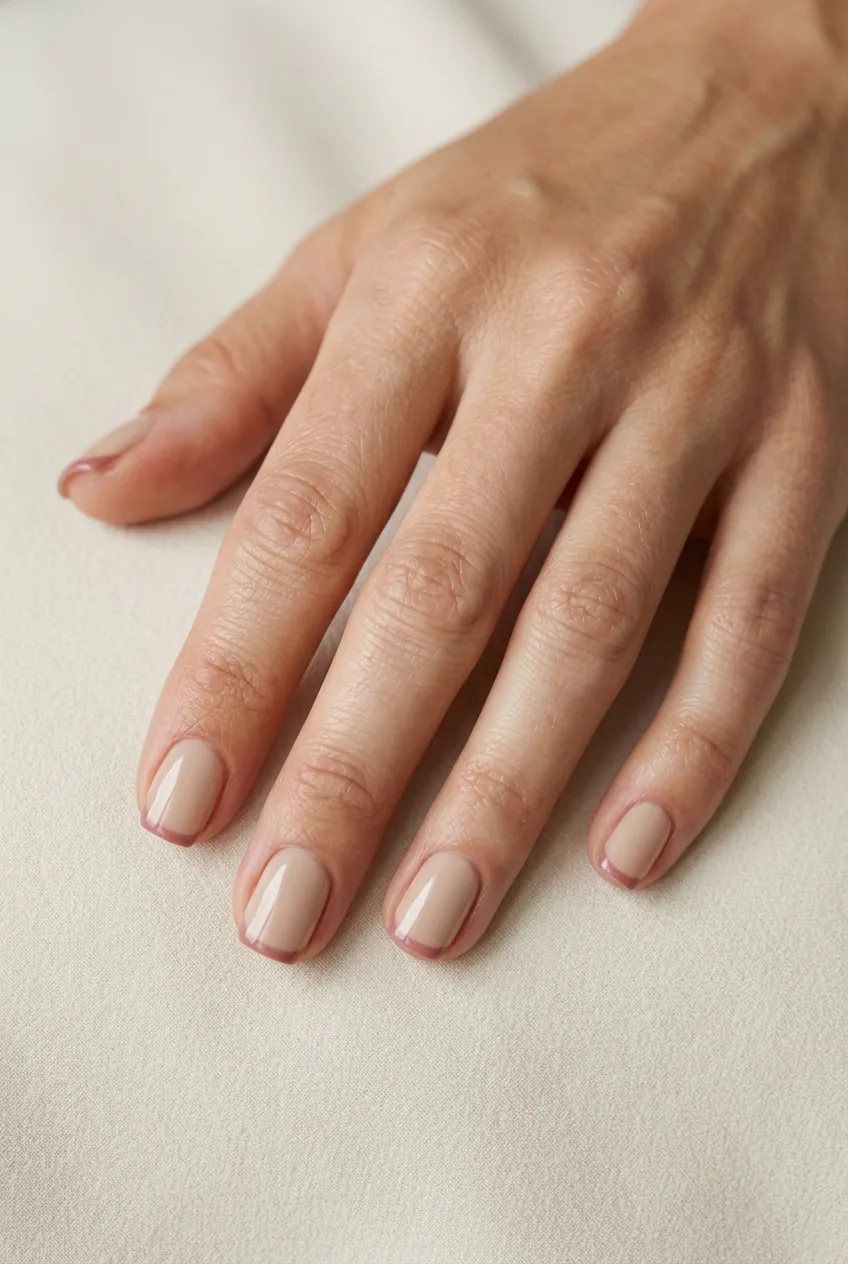
The classic French manicure on a short square nail hits differently than on a long almond. Because the free edge is shorter, the white tip strip is thinner — almost a hairline — and that restraint looks incredibly sophisticated. The twist I keep coming back to: swap the white tip for a soft taupe, a dusty rose, or even a pale sage. Same structure, completely different mood. You can learn more about micro French technique to get that paper-thin tip line right at home.
A Tutorial That Finally Gets the Thin Tip Right
5. Warm Terracotta Block Color
Block color — just one solid, opaque shade — is underrated on short squares. Because the shape gives you a defined canvas with four clean edges, a solid color feels intentional rather than plain. Terracotta especially works beautifully here. It’s warm, earthy, and flattering on basically every skin tone. Two coats, a glossy top coat, and done. Sometimes less really is more.
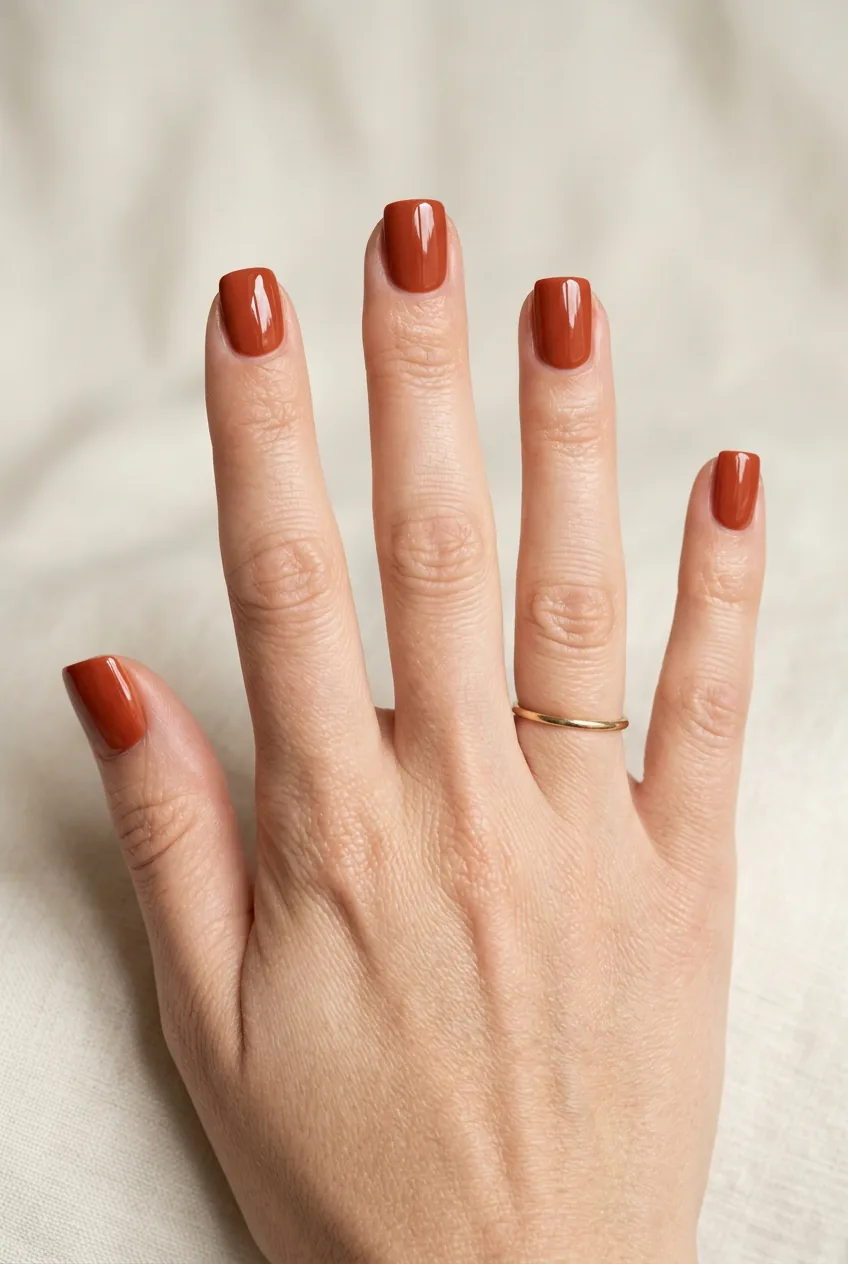
My personal pick for everyday wear? Warm terracotta on short squares. It’s the color that makes people ask if I “just got a manicure” two weeks after I actually got one — it just stays looking fresh and intentional longer than most shades. I’ve worn it to client meetings, weekend brunches, and somehow it always looks right.
6. Minimalist Single Line Art
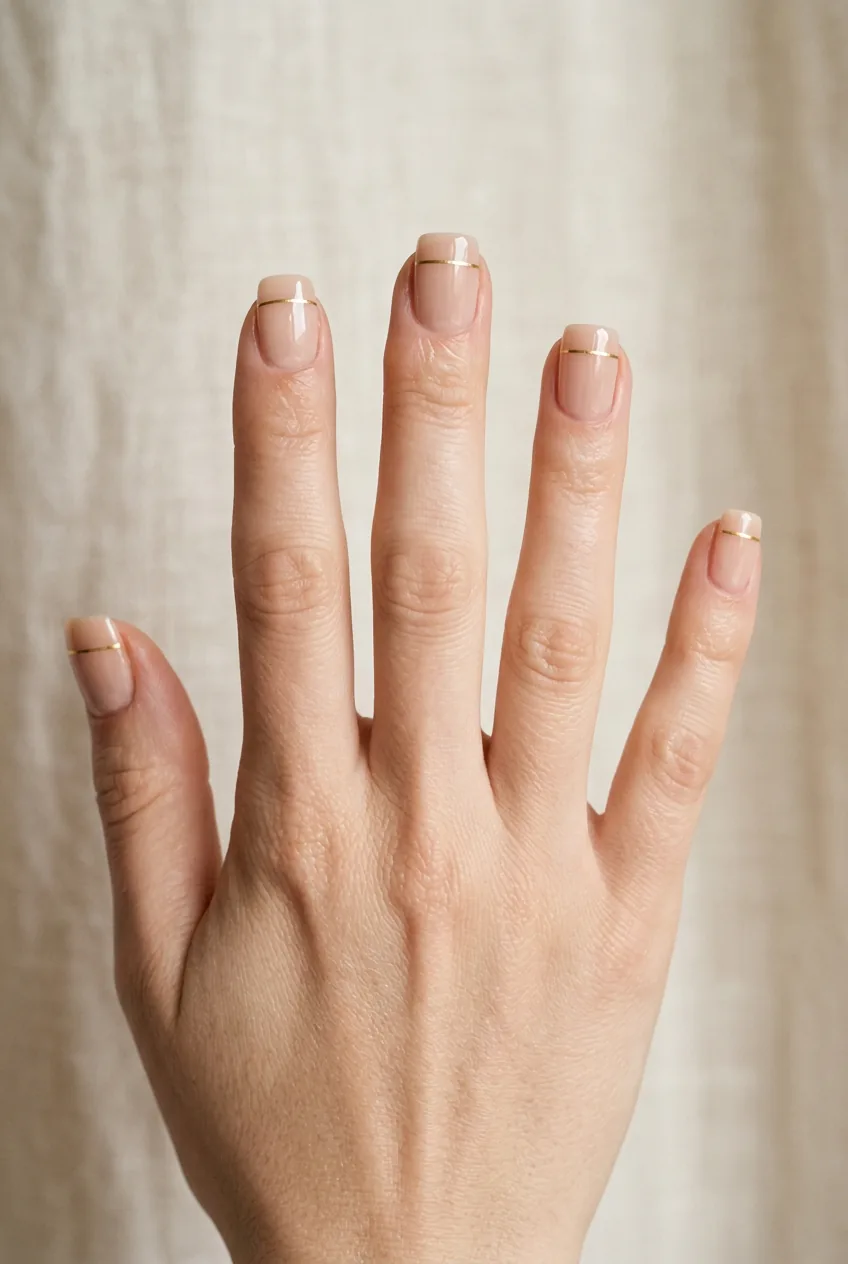
A single thin line, drawn horizontally across the nail near the tip, can transform a plain nude base into something that looks like it belongs in a fashion editorial. On short square nails, this works because the flat tip gives the line a natural stopping point — it doesn’t just float in space, it feels anchored. Gold or white lines on a nude base are classic. But I’ve also seen a black line on a milky white base that was genuinely stunning. The constraint of the small canvas makes the simplicity feel deliberate, not lazy.
7. Chrome Dusting on Nude
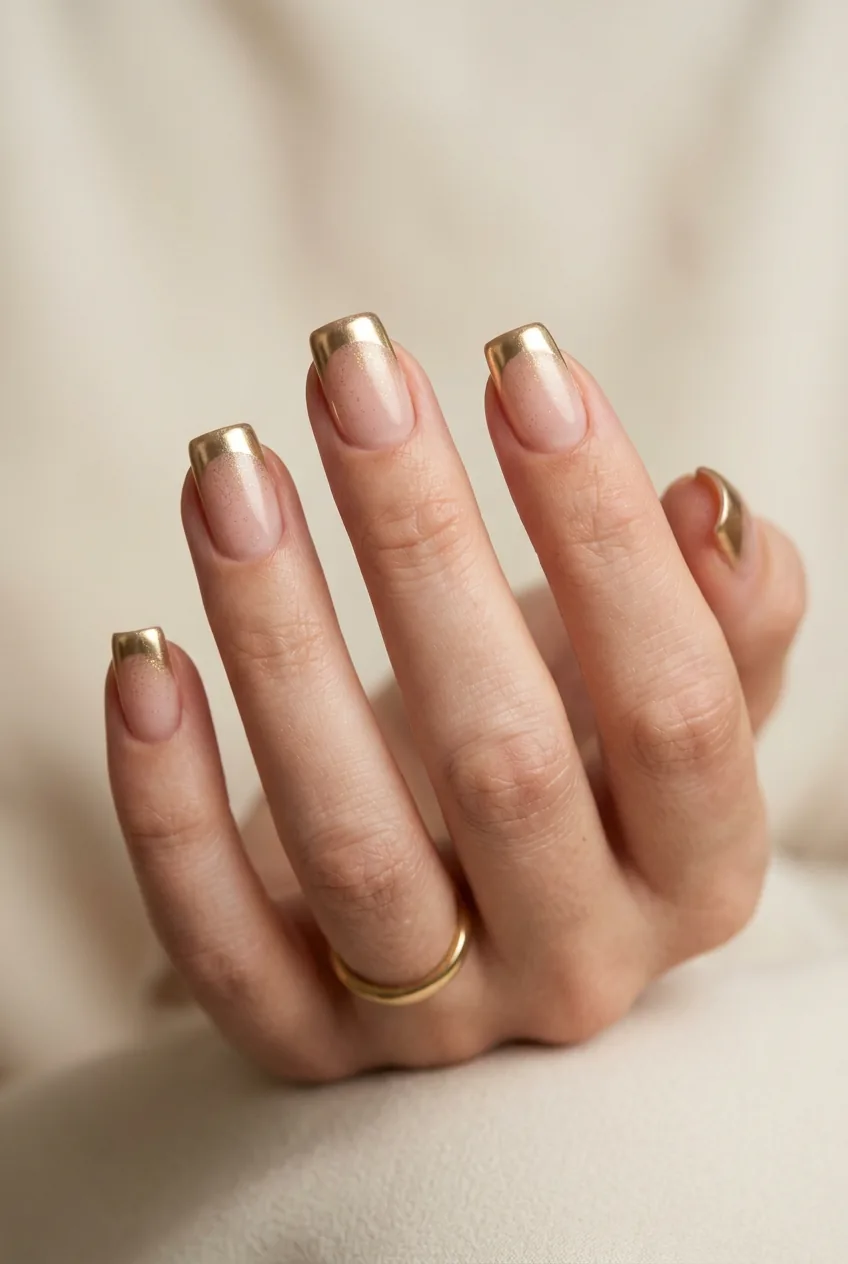
Chrome powder on a short square nail is one of those things I didn’t think would translate — I assumed you needed length for the mirror effect to read properly. Wrong. The wide, flat surface of a short square nail actually catches light beautifully, and the chrome reflects in this clean, horizontal sweep that looks more elegant than flashy. Start with a neutral nude base, cure, apply your chrome powder, and the flat edge becomes this almost liquid metallic line at the tip. See how she’s got a subtle gold chrome dusting in the image below — it’s catching the studio light in exactly the way I’m describing.
8. Bold Two-Tone Color Block
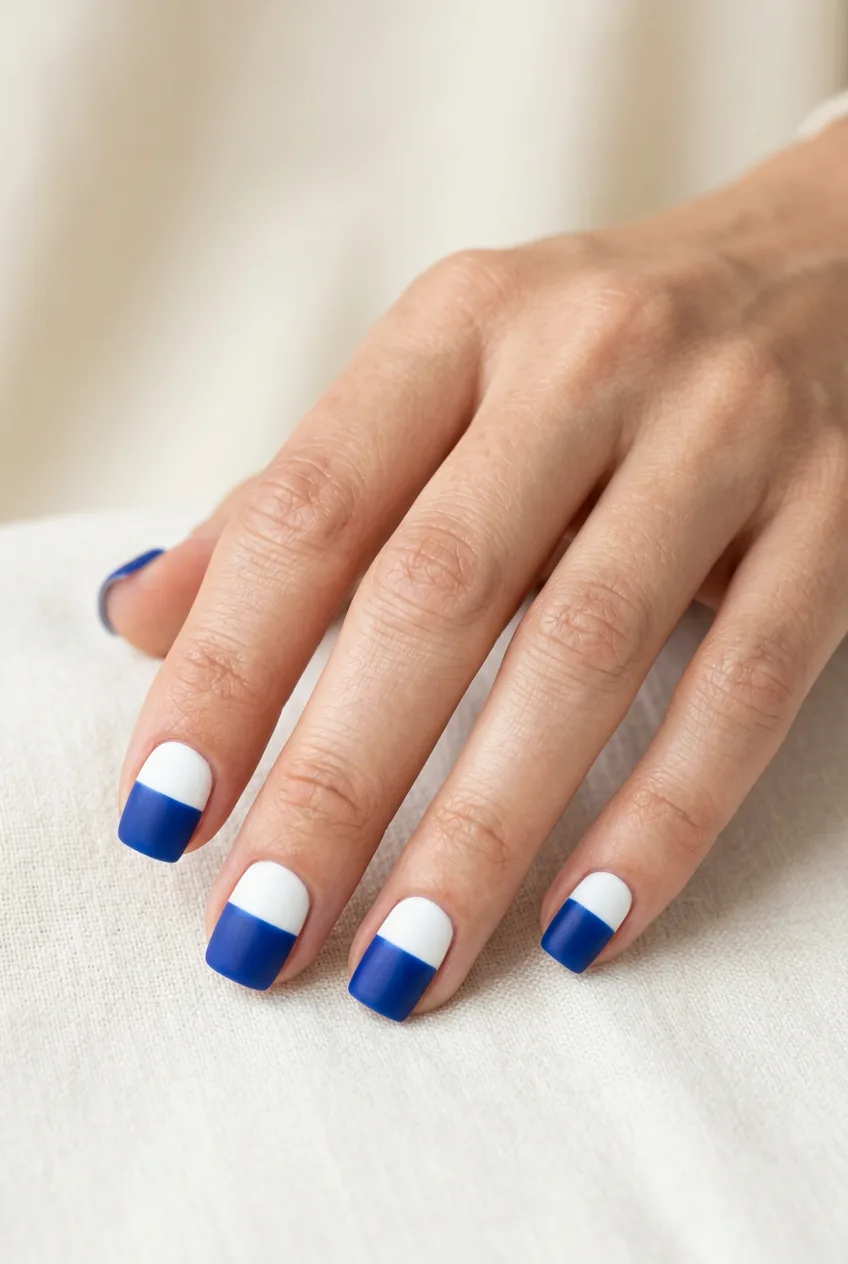
Okay, this one requires a slightly steadier hand (or a good brush and some tape), but the payoff is worth it. Split the nail horizontally — bottom half one color, top half another. On a short square, this typically means the color break happens right at or just below the midpoint of the nail plate. Deep cobalt on the bottom, white on top. Blush below, dusty mauve above. The square edge keeps the overall look structured, so even a bold color split reads as graphic design rather than accident. It’s a surprisingly wearable way to wear color that might feel too intense as a full-nail look.
9. Moody Burgundy Solid
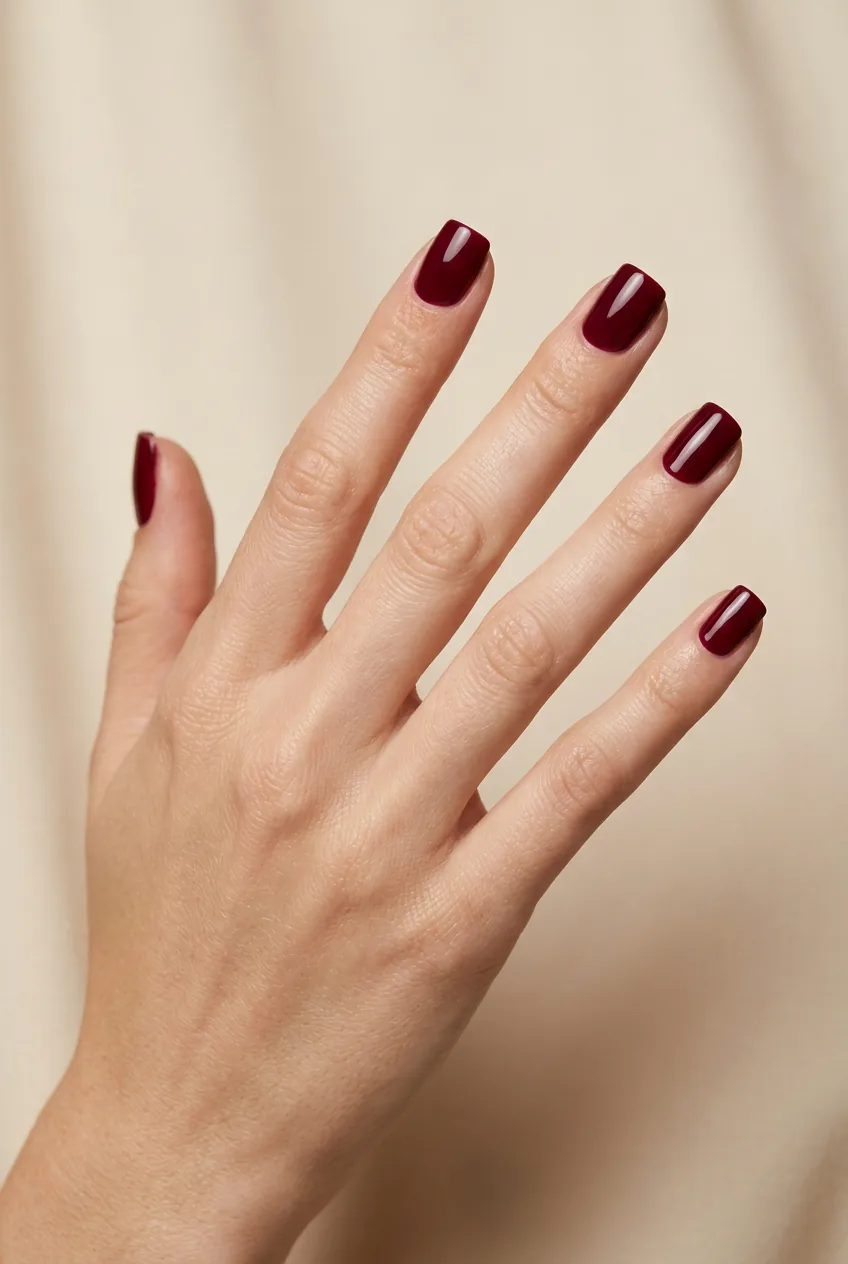
Burgundy. Just straight-up, no-art, full-coverage burgundy. I know that sounds basic and I do not care — this color on a short square nail is one of the most classically gorgeous manicures you can wear, full stop. The deep red-wine tone against the crisp square edge looks expensive, grown-up, and instantly put-together. It works for literally every season, which is part of why I keep coming back to it. No embellishments needed. Just a really good burgundy and two clean coats.
10. Delicate Floral Dots
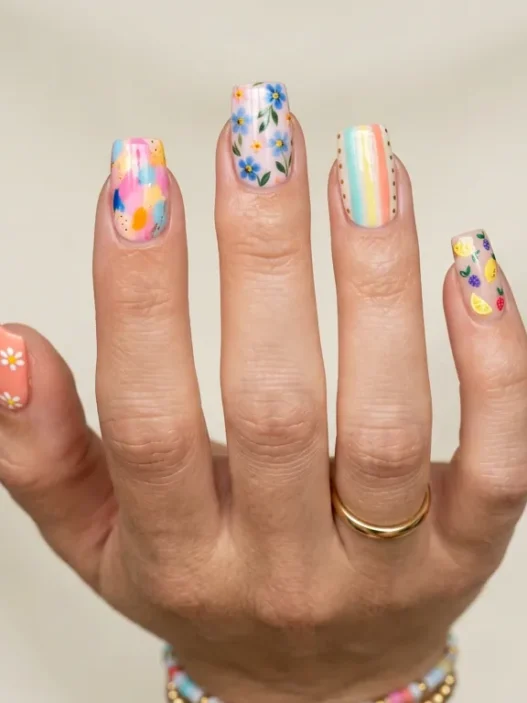
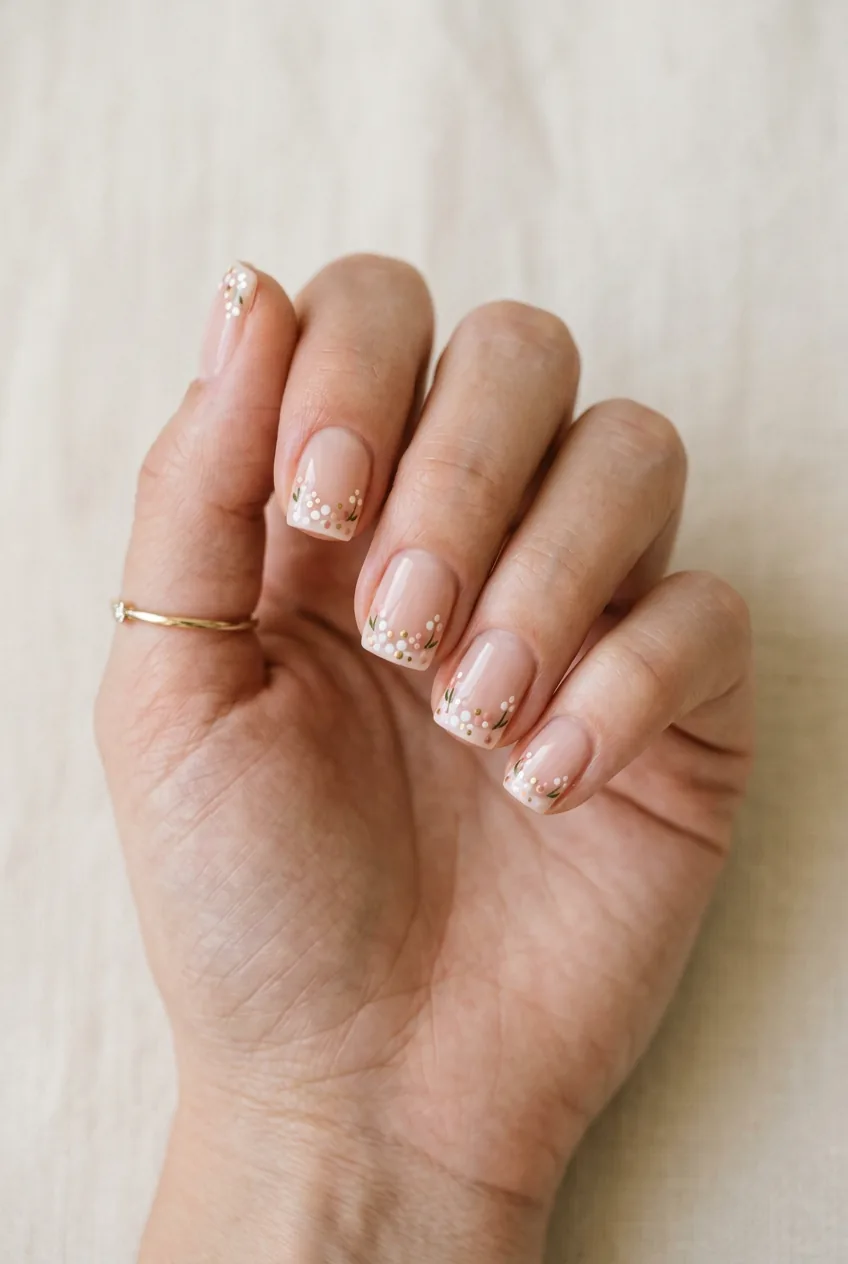
If you’re worried that short nails can’t hold floral art — they absolutely can, as long as you scale down. On short square nails, the key is tiny: small dot flowers using a dotting tool, placed near the tip or in the upper third of the nail. Two or three flowers per nail, with maybe a single leaf accent. Because the square shape gives you a defined top edge to cluster designs near, the florals feel organized rather than crowded. Think forget-me-not, not peony. You can find more inspiration for this kind of scaled-down floral art if you’re planning to DIY.
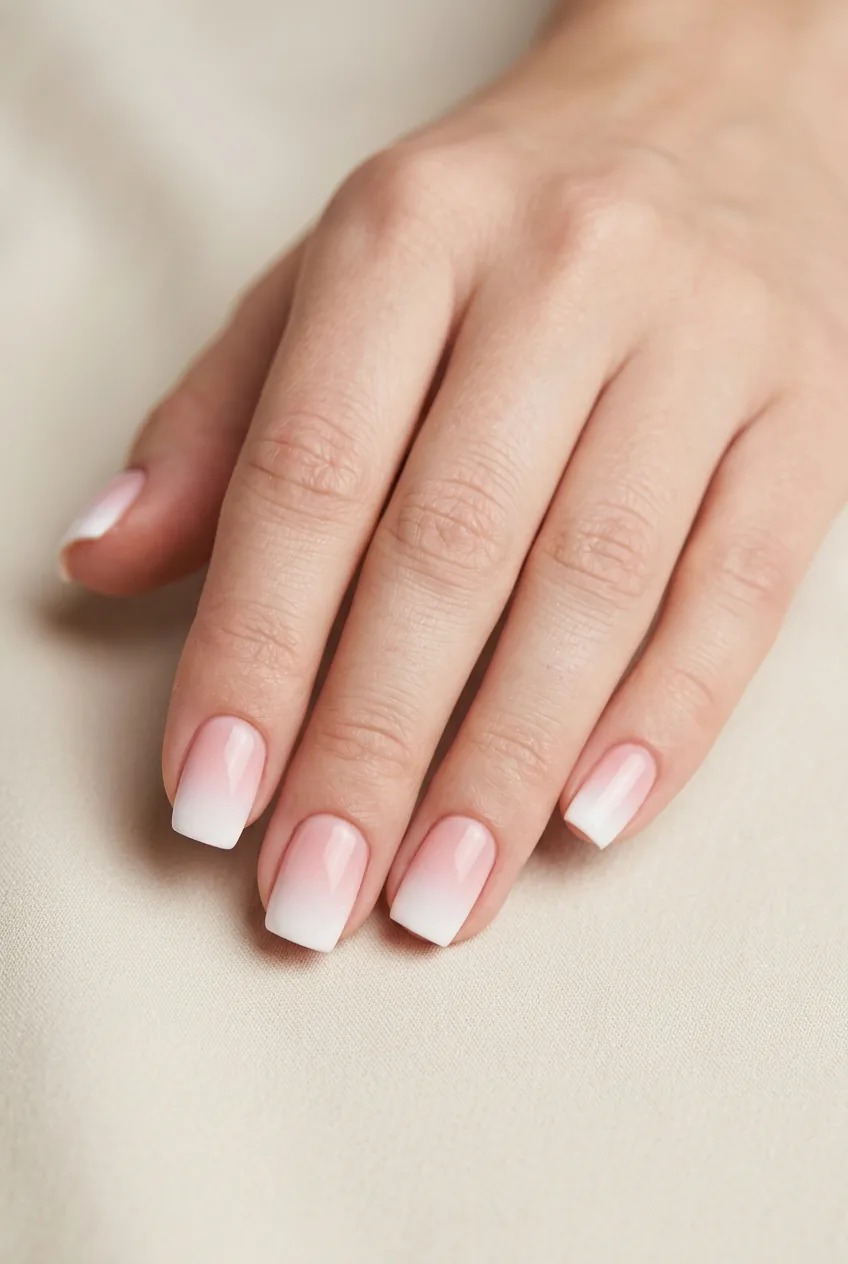
11. Ombre in a Tiny Canvas
People assume ombre needs length to be visible. It doesn’t. On a short square nail, you’re actually working with a more concentrated gradient — the color transition is tighter and more intense because it has less vertical space to spread across. A sponge ombre from blush to white, or from lilac to lavender, looks absolutely beautiful. The square tip cuts the gradient off cleanly at the top, which gives it this neat, framed quality you don’t quite get on round or oval shapes. The whole thing feels more graphic and intentional.
If you love the square shape and want to dig into more designs suited to it, the full collection of square and squoval nail inspiration on this site is worth a browse — there are some genuinely beautiful examples in there.
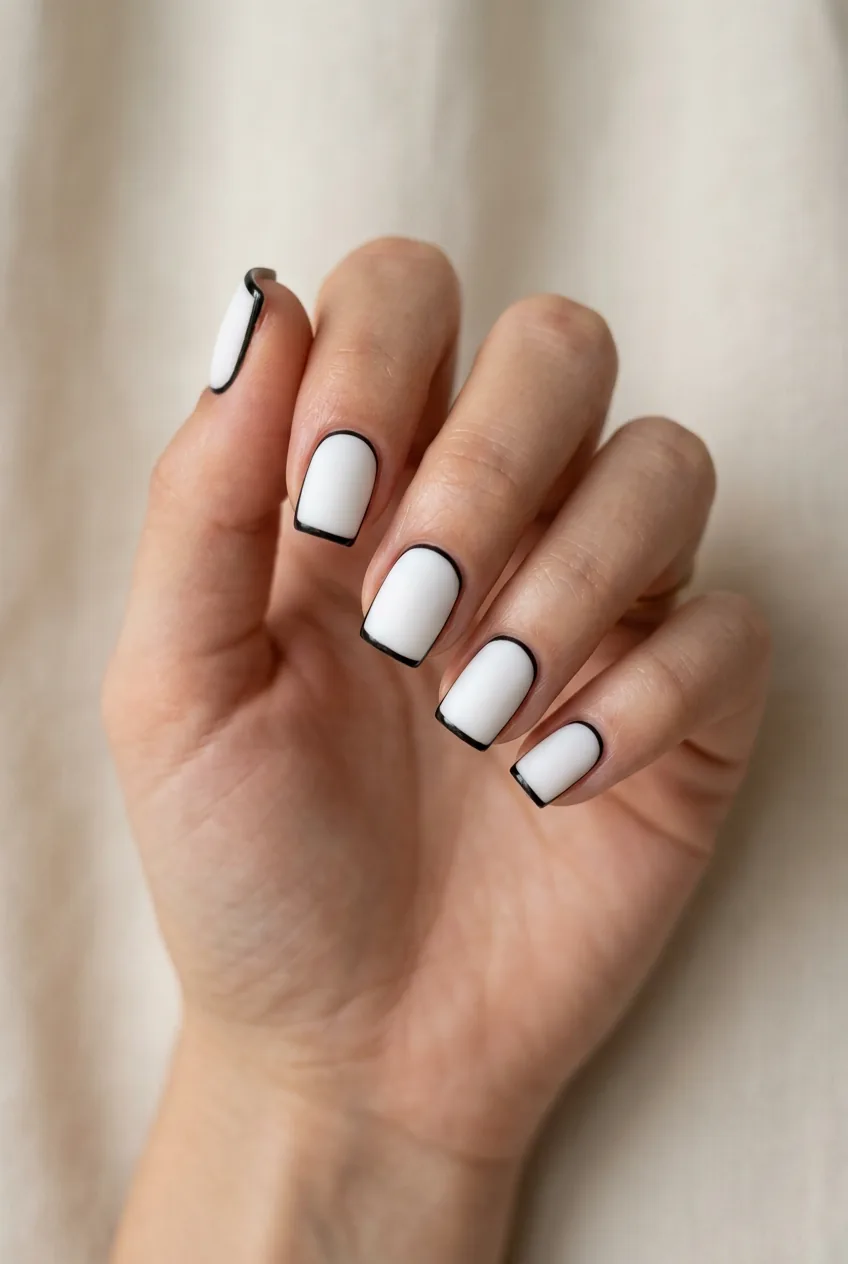
12. Clean White with a Black Tip
This is the reverse French, and on a short square nail it looks almost architectural. A white base — properly opaque, not sheer — with a thin black line at the tip edge. The black just outlines the square tip, like a bold border on a business card. It sounds harsh in description but in practice it reads as graphic and modern rather than severe. I first saw this on a client at a salon and genuinely did a double-take. She had the shortest nails in the room and somehow the most striking manicure. The square shape made the black tip feel like a design choice rather than a contrast accident.
For anyone wanting to explore all the shapes and see how square stacks up against other options, the full nail shapes and lengths guide is a great reference — especially if you’re deciding between square and squoval for your next appointment.
Questions I Get About This Shape
Does a square shape make short nails look wider or stubbier?
It can on very wide nail beds, but the fix is simple — file the corners just slightly so they’re not 90 degrees sharp, leaning toward squoval. That small softening elongates the look without losing the structure that makes the square shape so flattering. Most nail techs will do this automatically if you ask for “soft square.”
Can I actually do nail art on short square nails at home?
Yes — and honestly, short nails are easier to work on at home than long ones because there’s less surface area to mess up. The designs I’d start with: single line art with a thin striping brush, dot florals with a dotting tool, and tape-off negative space geometry. All achievable on a kitchen table with a steady breath and a good top coat. The beginner nail art techniques walk-through is helpful if you’re newer to this.
How do I keep a square shape from chipping faster at the corners?
The corners are the most vulnerable point of a square nail because they’re the most exposed. A thick, well-applied top coat that wraps around the edge (called “capping the free edge”) makes a significant difference. Do it every time you apply polish — seal the tip by dragging your brush horizontally along the edge before doing your usual stroke on the surface. Gel manicures also chip less at the corners than regular polish, which is worth considering if you’re active with your hands.
How short is “short square” — is there a minimum length?
You need enough free edge to actually file a flat tip — generally about 1–2mm of white tip showing. Any shorter and you’re really working with a squared-off rounded shape rather than a true square. If your nails are bitten down to the quick, it’s worth waiting a week or two of growth before going for this shape. The definition of the tip is everything with this look.
Okay — twelve designs, one shape, infinite ways to wear it. The thing I keep coming back to with short square nails is how much the shape itself does the heavy lifting. You can go completely minimal and still look like you tried, or you can layer in art and have it land cleanly because the square edge gives everything a frame. If you’re on the fence about cutting your nails down, I honestly think this is the most forgiving shape to start with. Try the cream with a defined edge first. Then report back — I genuinely want to know which one you pick.